



10 Treatment Stages in a Drinking Water Treatment Plant (WTP).
Drinking water supply is one of the four pillars of basic sanitation and is essential to ensure health, quality of life and well-being for the population. But for water from rivers, lakes and…
Drinking water supply is one of the four pillars of basic sanitation and is essential to ensure health, quality of life and well-being for the population. But for water from rivers, lakes and reservoirs to become safe for human consumption and meet drinking water standards, it must go through a rigorous process in a Water Treatment Plant (WTP).
The stages covered range from intake and pretreatment, through the physicochemical processes of coagulation, flocculation and settling (or flotation), to the filtration, disinfection, pH adjustment and fluoridation stages. In addition, the treatment of the waste generated and the final distribution of the treated water are also mentioned.
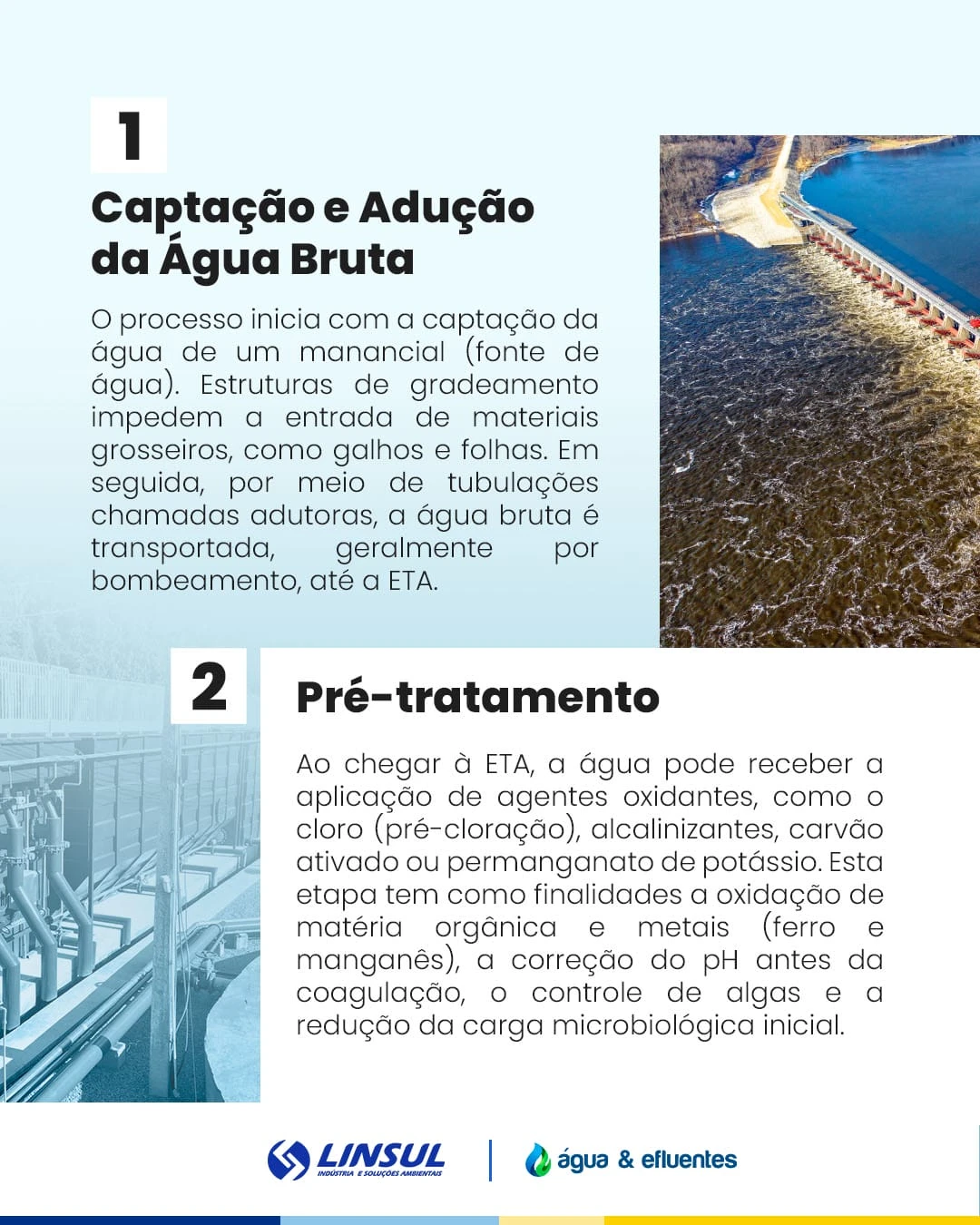
1. Raw Water Intake and Conveyance
The process begins with the intake of water from a source. Screening structures prevent the entry of coarse materials such as branches and leaves. Then, through pipelines called water mains, the raw water is conveyed, usually by pumping, to the WTP.
2. Pretreatment
On arrival at the WTP, the water may receive oxidizing agents such as chlorine (pre-chlorination), alkalizers, activated carbon or potassium permanganate. This stage aims to oxidize organic matter and metals (iron and manganese), correct the pH before coagulation, control algae and reduce the initial microbiological load.
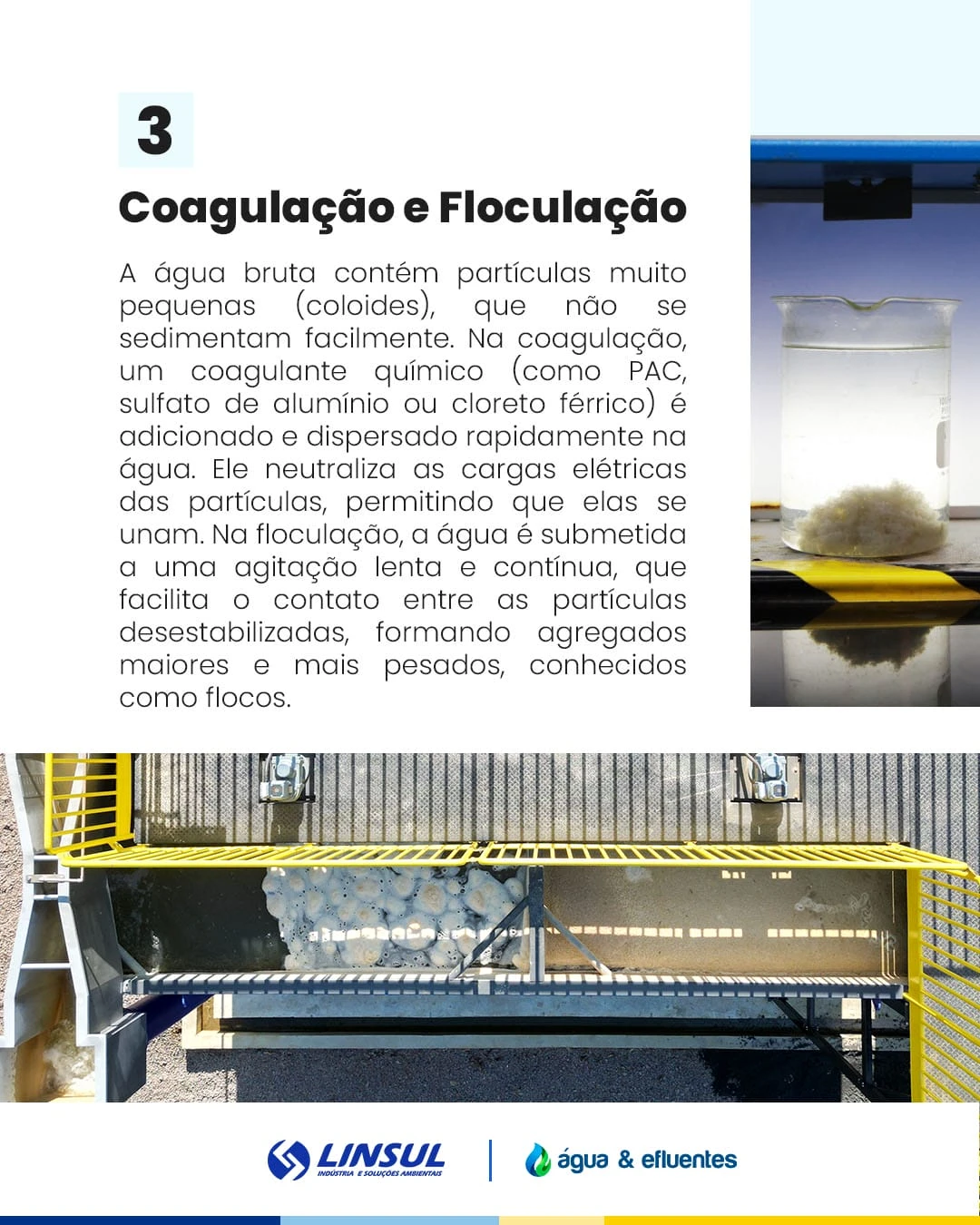
3. Coagulation and Flocculation
Raw water contains very small particles (colloids) that do not settle easily. In coagulation, a chemical coagulant (such as PAC, aluminum sulfate or ferric chloride) is added and rapidly dispersed in the water. It neutralizes the electrical charges of the particles, allowing them to come together. In flocculation, the water is subjected to slow, continuous stirring, which promotes contact between the destabilized particles, forming larger, heavier aggregates known as flocs.
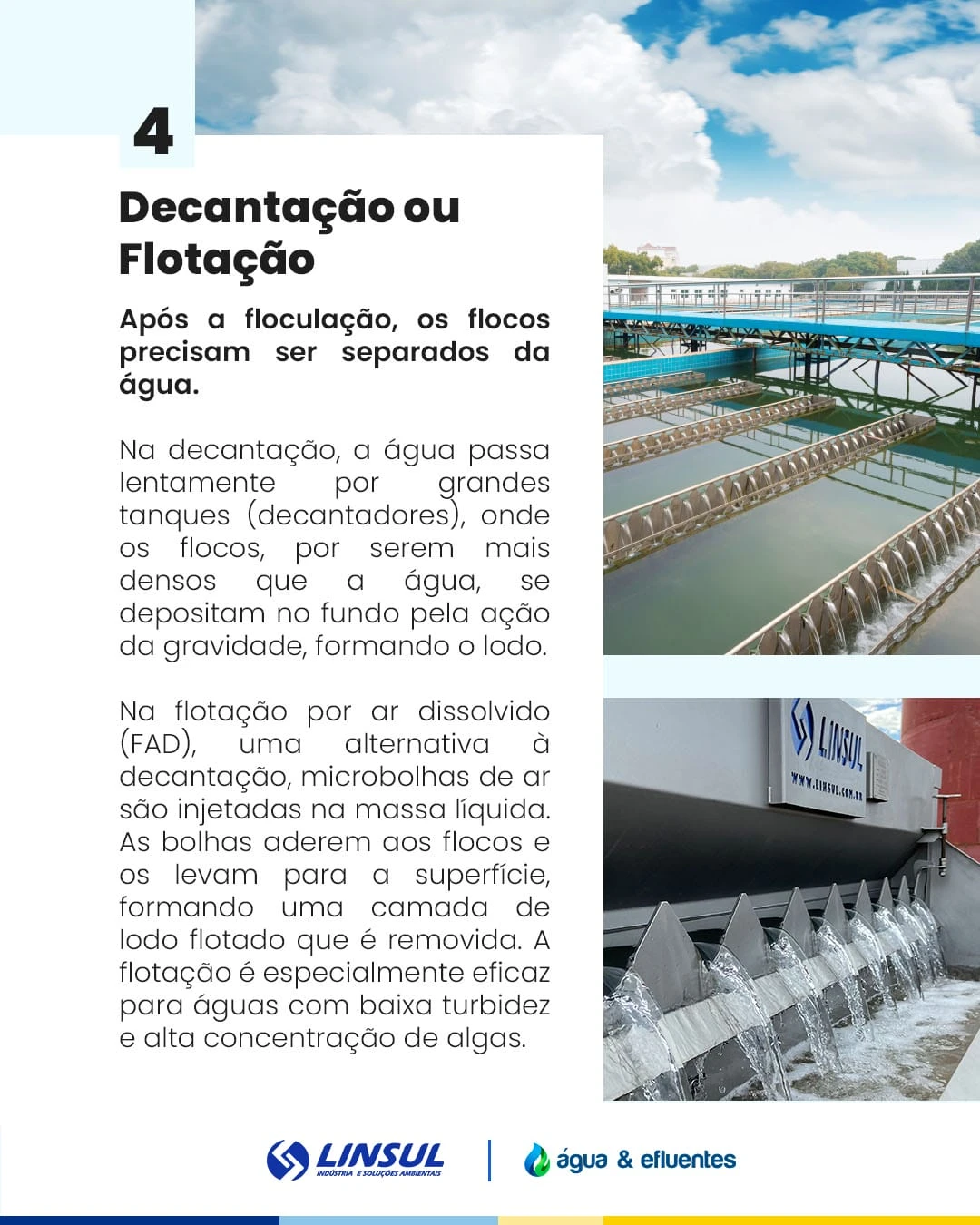
4. Settling or Flotation
After flocculation, the flocs must be separated from the water.
- In settling, the water flows slowly through large tanks (clarifiers), where the flocs, being denser than water, settle to the bottom by gravity, forming sludge.
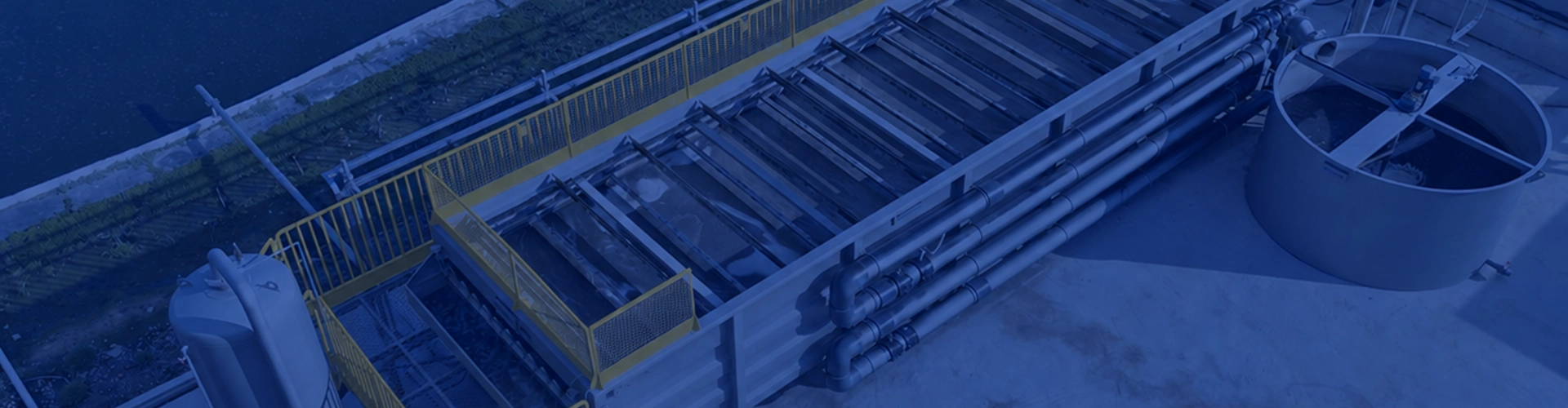
- In dissolved air flotation (DAF), an alternative to settling, air microbubbles are injected into the liquid. The bubbles attach to the flocs and carry them to the surface, forming a layer of floated sludge that is removed. Flotation is especially effective for water with low turbidity and a high concentration of algae.
5. Filtration
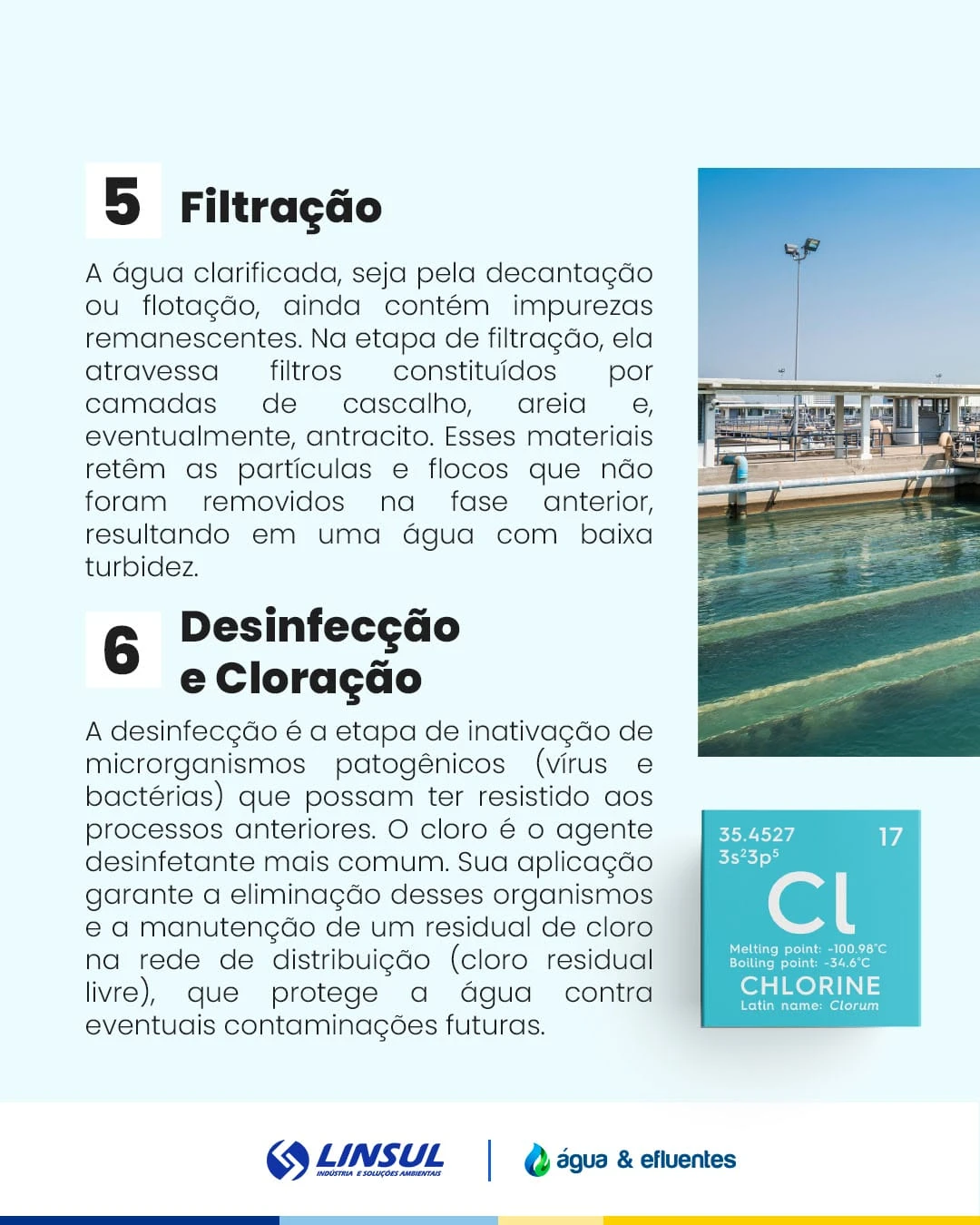
The clarified water, whether from settling or flotation, still contains remaining impurities. In the filtration stage, it passes through filters made up of layers of gravel, sand and, in some cases, anthracite. These materials retain the particles and flocs not removed in the previous stage, resulting in low-turbidity water.
6. Disinfection and Chlorination
Disinfection is the stage that inactivates pathogenic microorganisms (viruses and bacteria) that may have survived the previous processes. Chlorine is the most common disinfectant. Its application ensures these organisms are eliminated and maintains a chlorine residual in the distribution network (free residual chlorine), which protects the water against possible future contamination.
7. Fluoridation
Adding fluorine compounds (such as fluorosilicic acid) is a public health measure to prevent tooth decay in the population. However, it is mandatory only in some states.
8. pH Correction
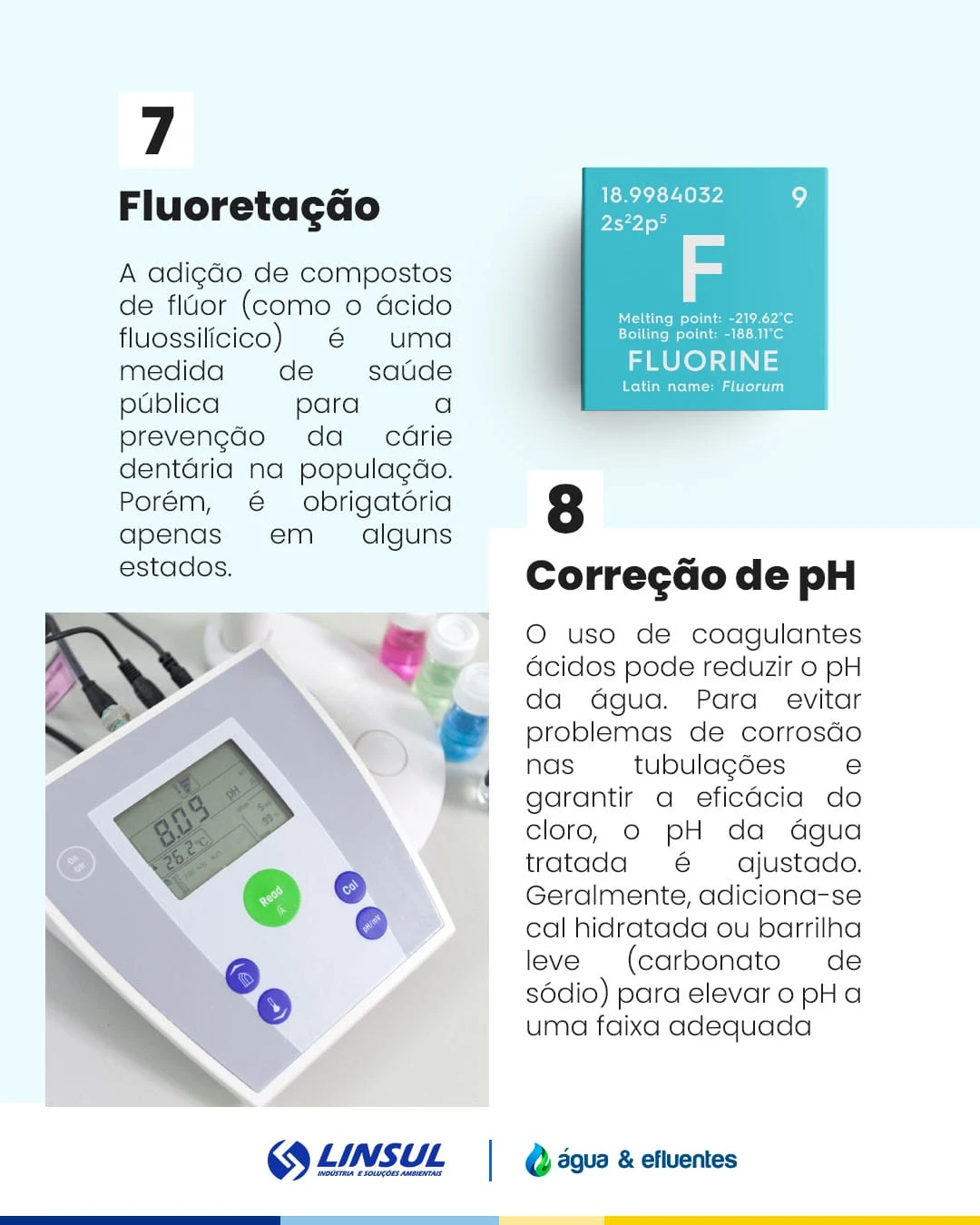
The use of acidic coagulants can lower the pH of the water. To avoid pipe corrosion and ensure the effectiveness of chlorine, the pH of the treated water is adjusted. Hydrated lime or light soda ash (sodium carbonate) is usually added to raise the pH to a suitable range.
9. Treatment and Disposal of the Waste Generated
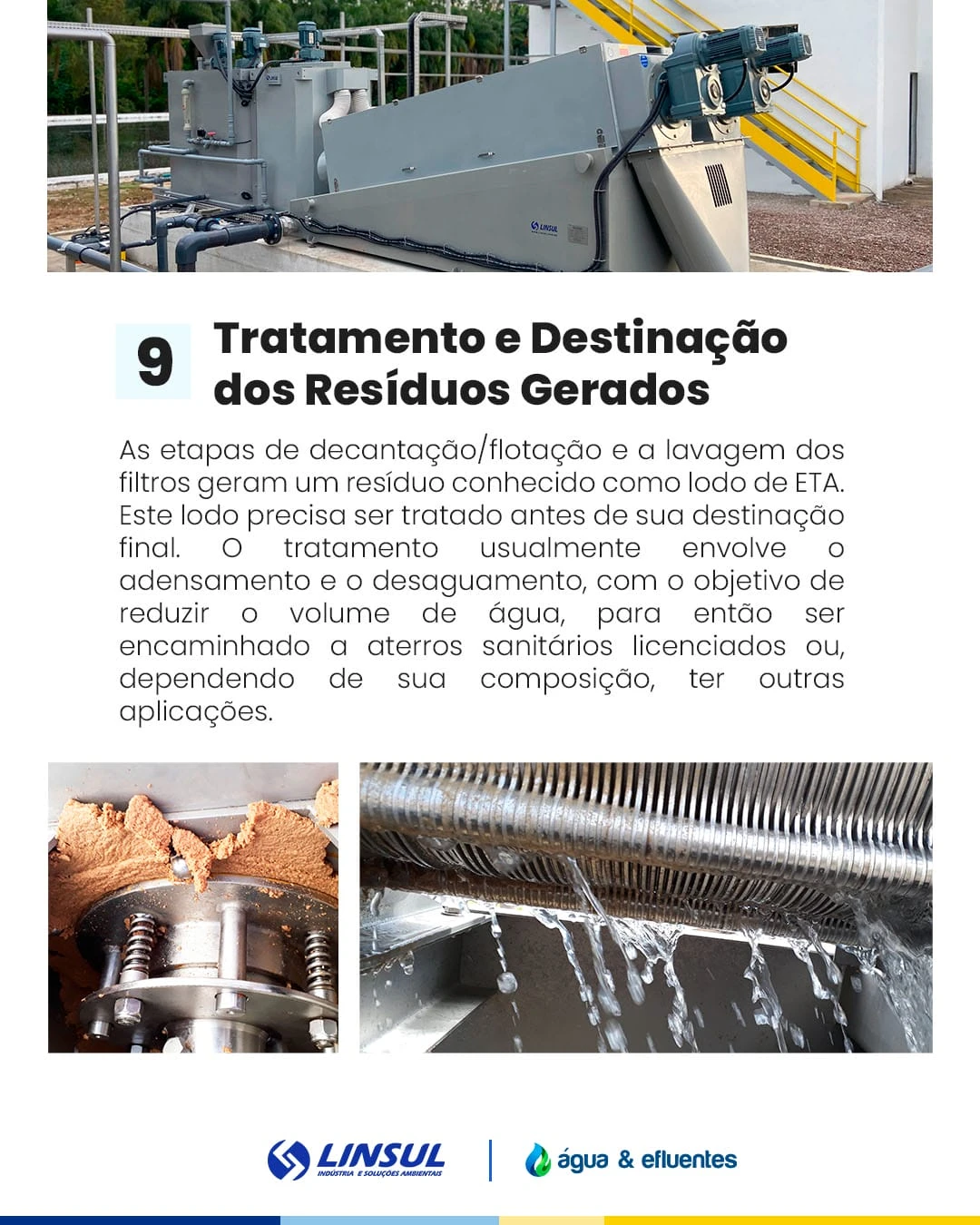
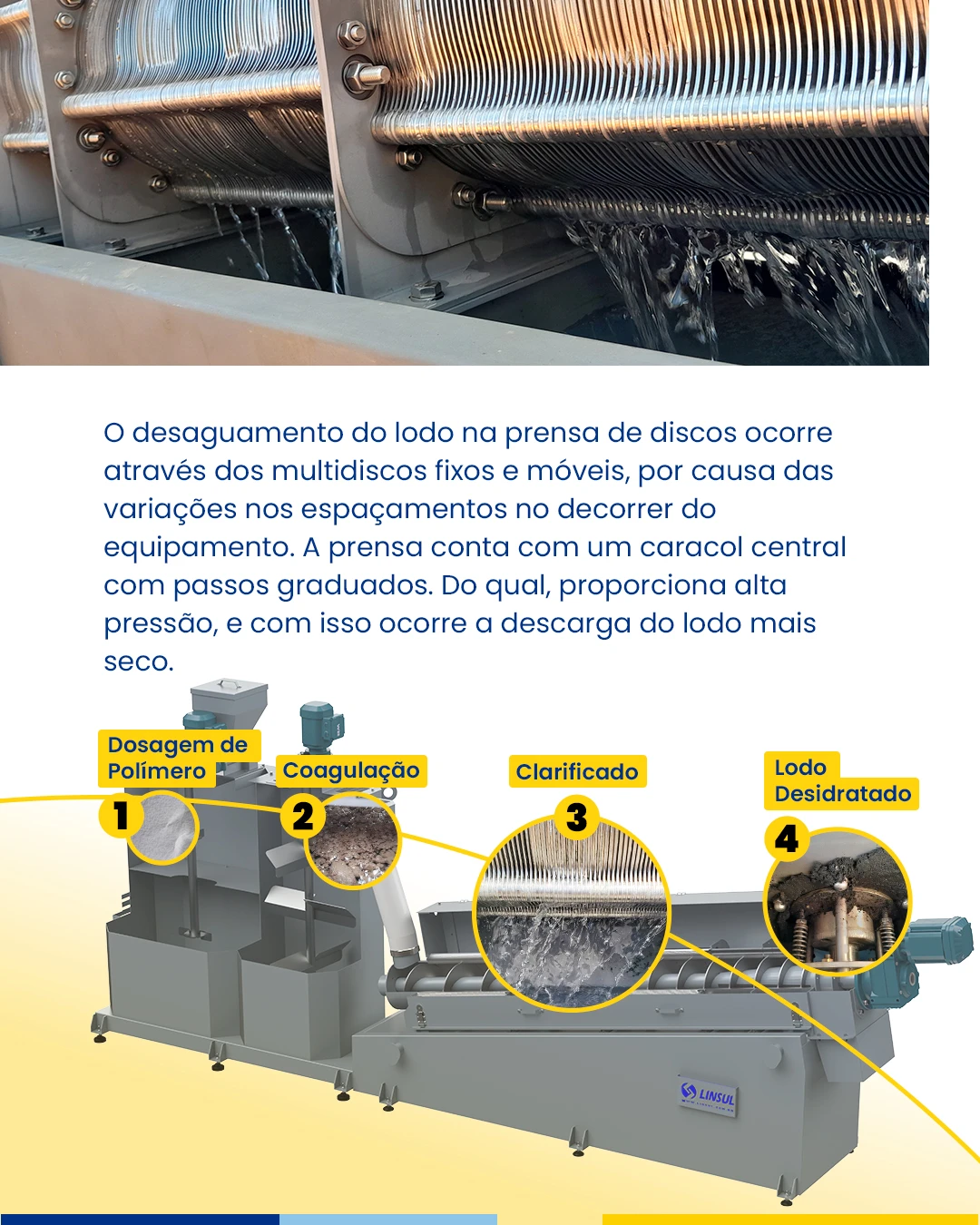
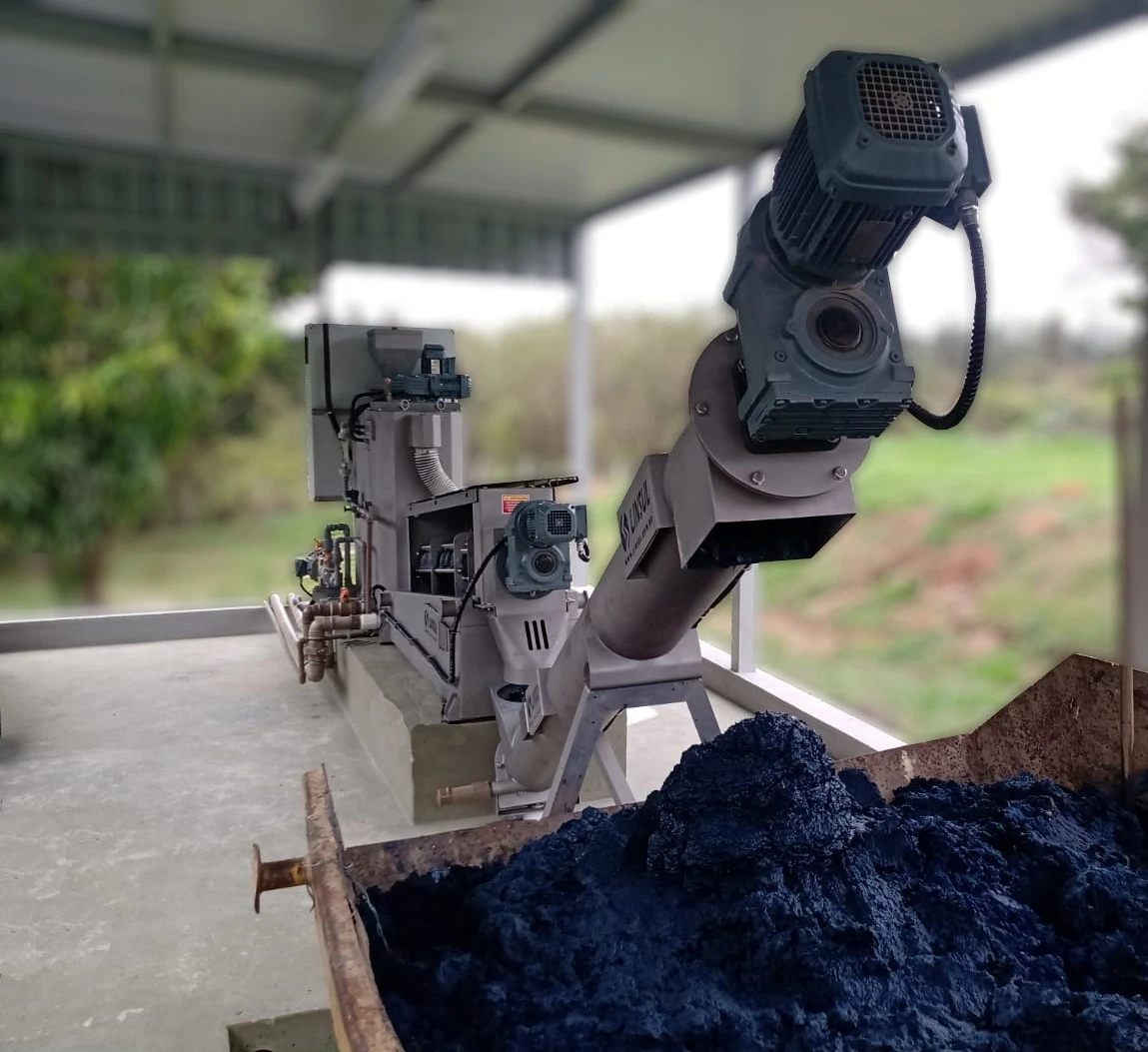
The settling/flotation stages and filter backwashing generate a residue known as WTP sludge. This sludge must be treated before final disposal. Treatment usually involves thickening and dewatering, to reduce the volume of water, before it is sent to licensed sanitary landfills or, depending on its composition, put to other uses.
10. Storage and Distribution of Treated Water
Finally, the drinking water is stored in reservoirs and, from there, distributed to the population through the supply network, reaching homes, businesses and industries.

Trends, news and
knowledge
Trends, news and knowledge
 News
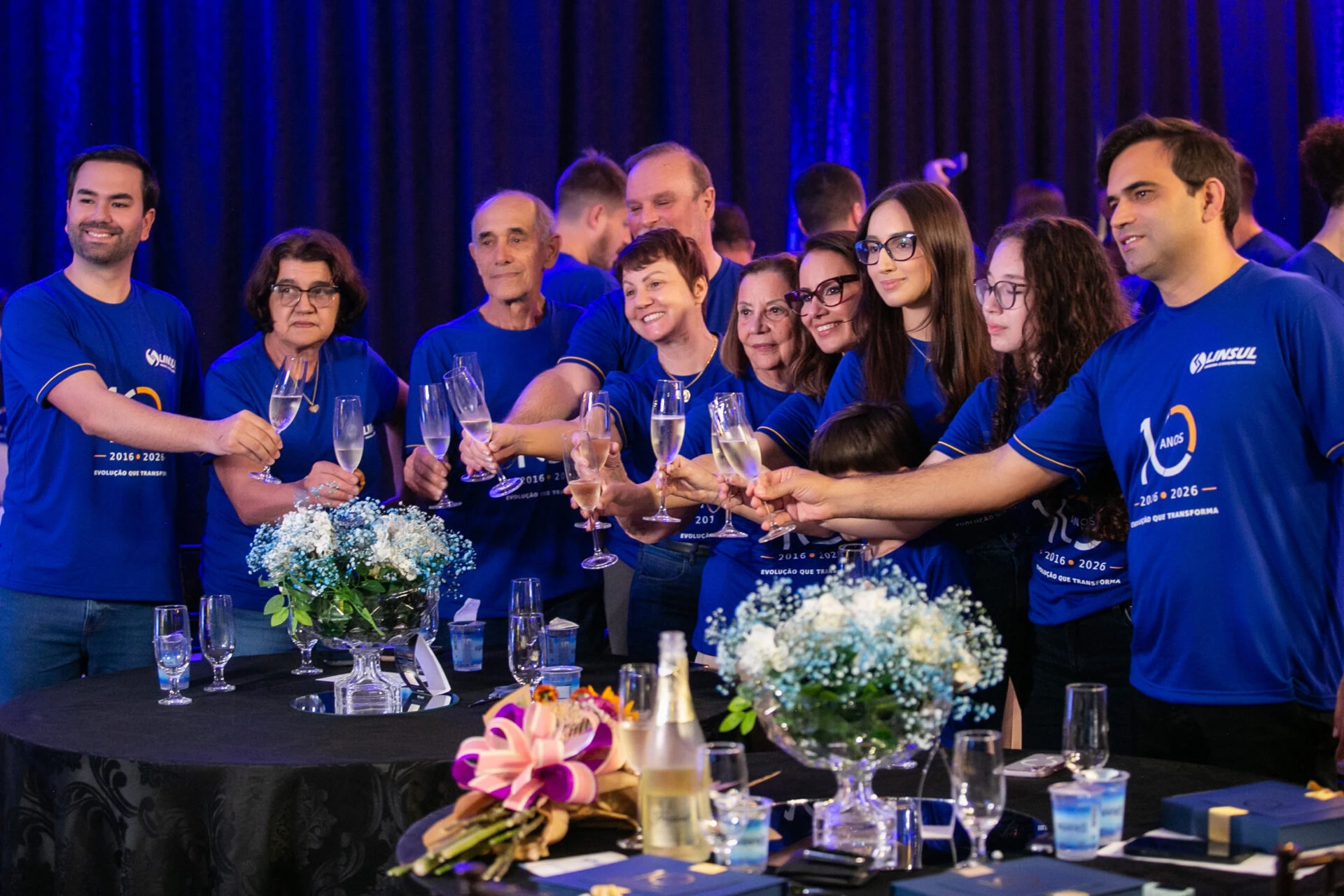
Linsul 10 Years | Evolution that Transforms
LINSUL celebrated a decade of history alongside those who helped make this journey a reality: employ...
 31 Aug 2026
 2 min read
 News
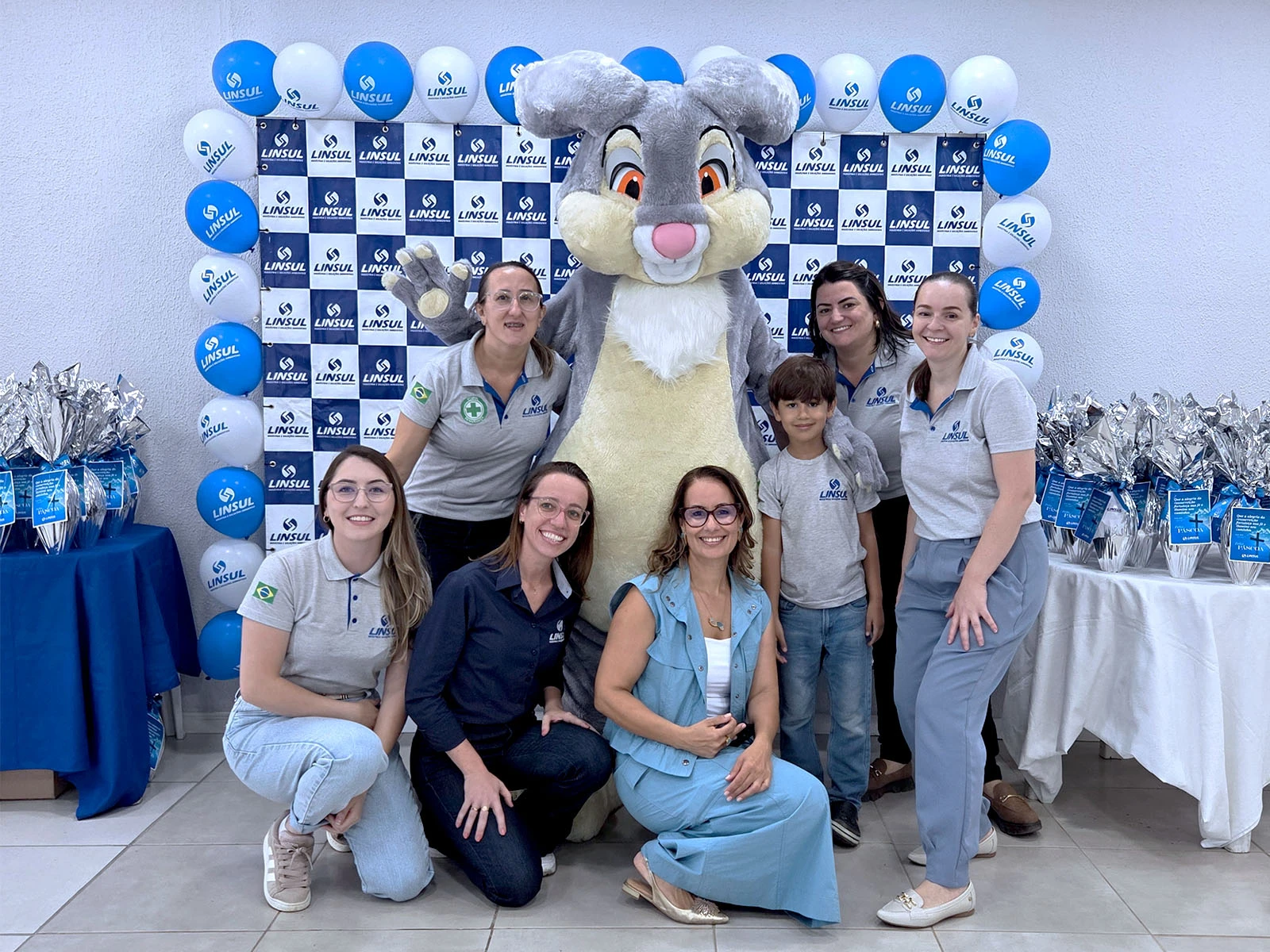
Renewal and Purpose: A Moment of Reflection on Our Journey
Easter is a time of renewal. At Linsul, we celebrated the date and the March birthdays with a specia...
07 Apr 2026
2 min read
 News
Become a wastewater treatment specialist
It's time to take the next step in your career!
26 Feb 2026
2 min read
 News
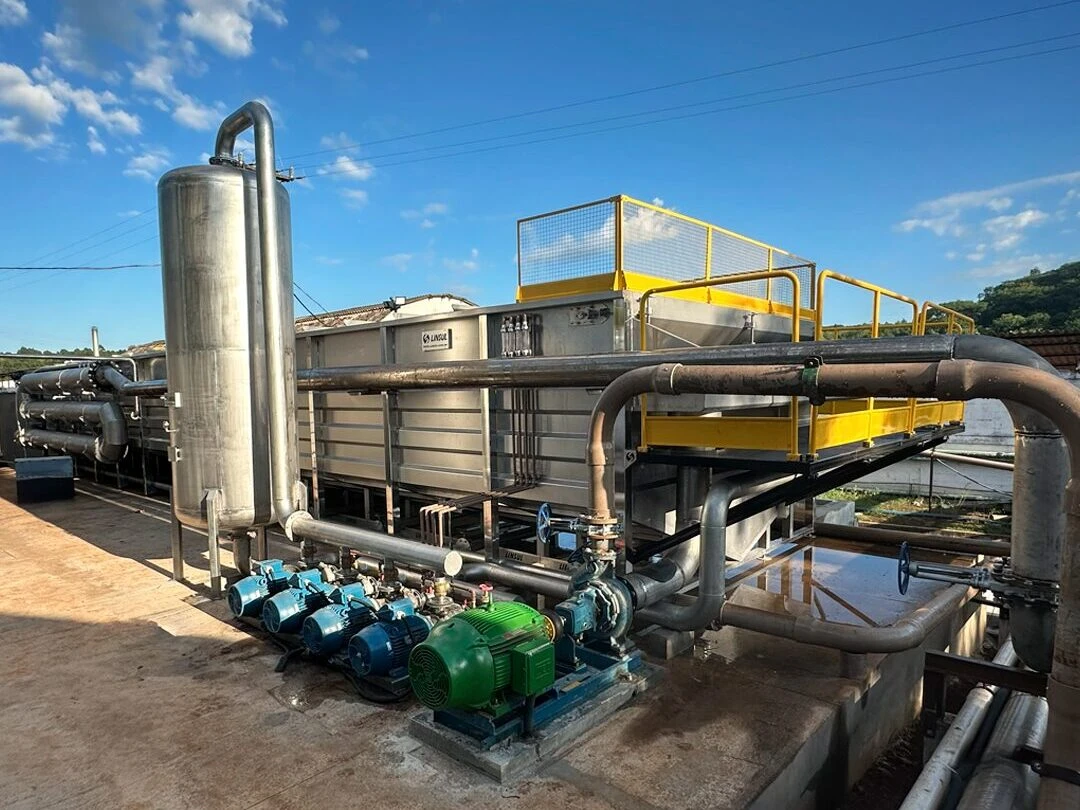
Success Story: Startup of a 600 m³/h Dissolved Air Flotator in the Pulp and Paper Industry
See the details of the startup of the 600 m³/h dissolved air flotator at a pulp and paper plant. Hig...
19 Feb 2026
2 min read
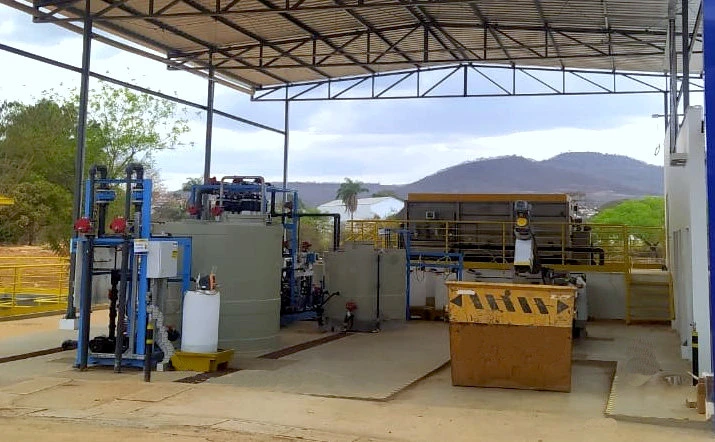
Commitment to Efficiency and Sustainability
We are committed to building solid, long-lasting partnerships with our clients, contributing to a more sustainable and efficient future.
Contact us