Sludge

How to Optimize Sludge Dewatering in Meatpacking Plants: A Case Study with the Linsul Disc Press.

Sludge dewatering is one of the most critical stages in industrial wastewater treatment, especially in meatpacking plants, where the high load of fats and oils challenges conventional technologies…

Home Applications How to Optimize Sludge Dewatering in Meatpacking Plants: A Case Study with the Linsul Disc Press

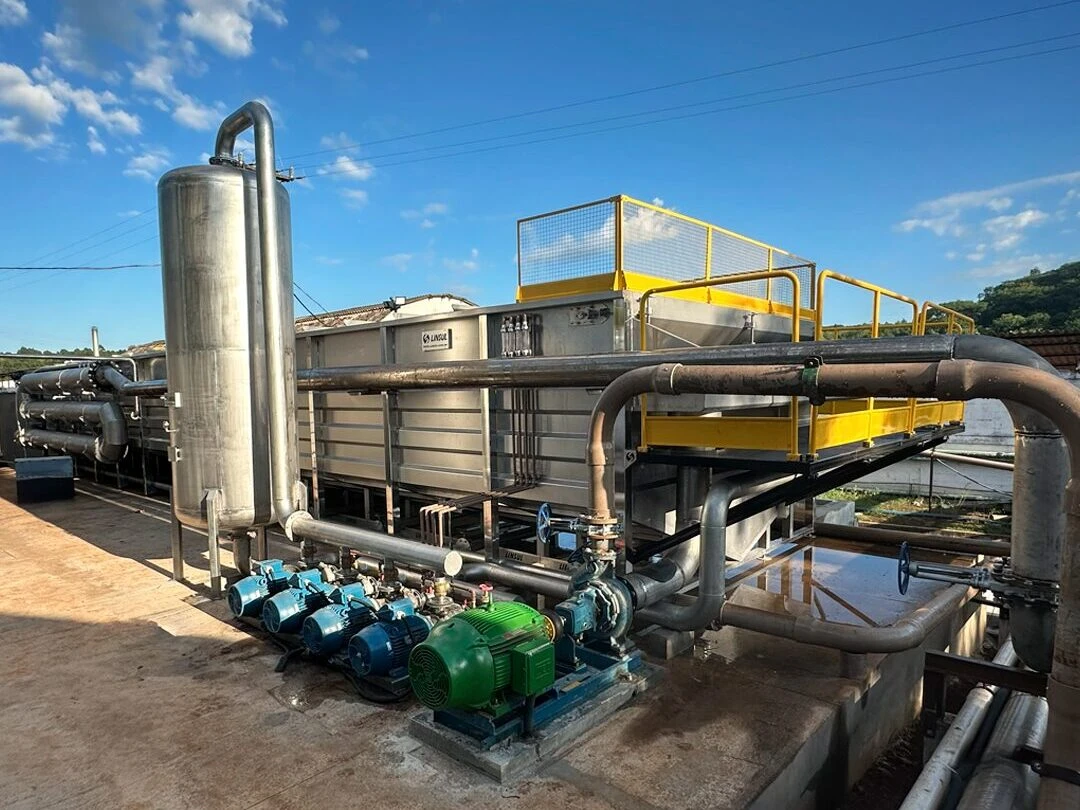
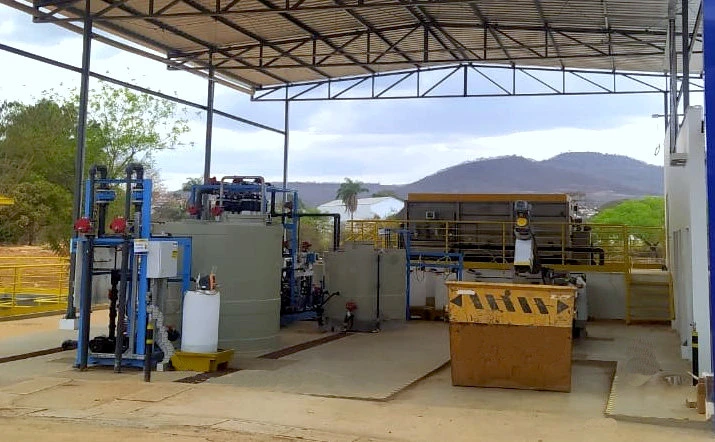
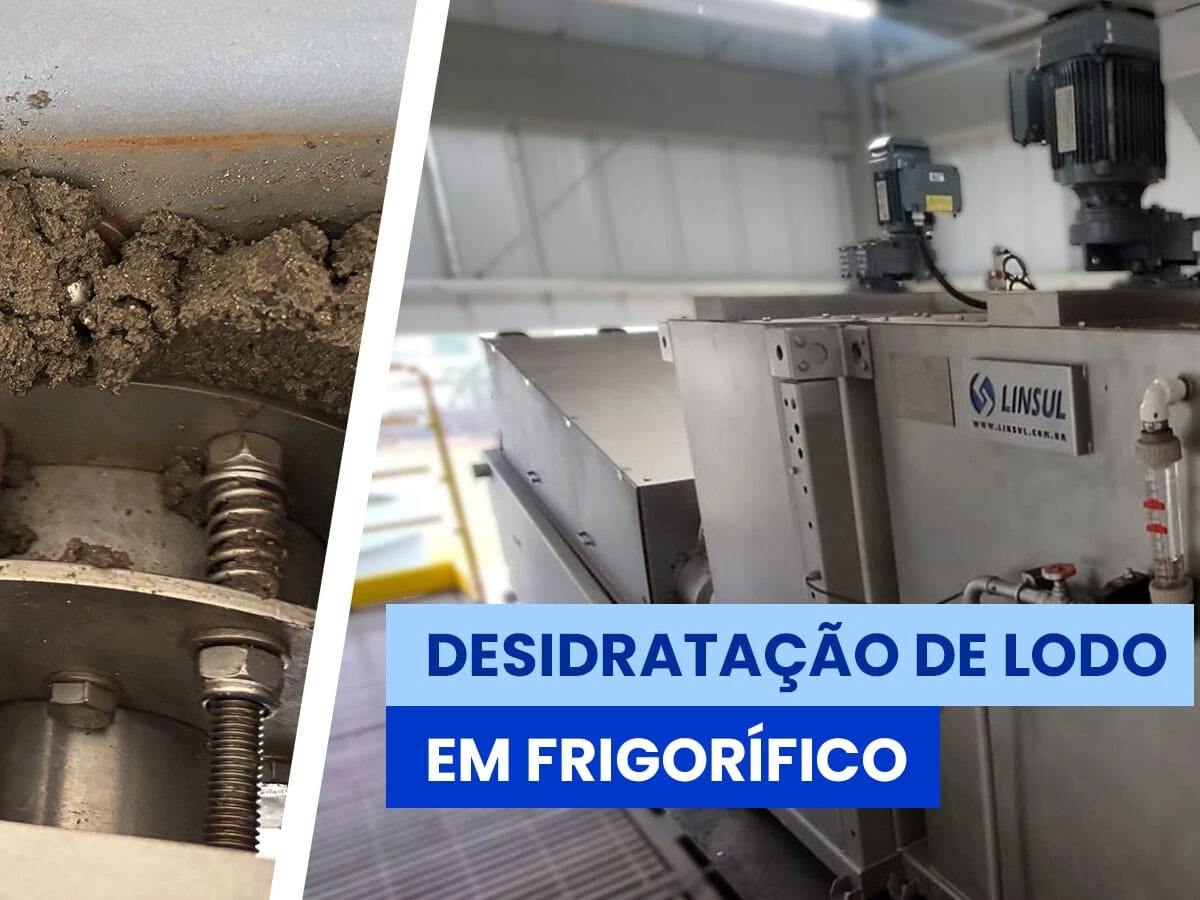
Sludge dewatering is one of the most critical stages in industrial wastewater treatment, especially in meatpacking plants, where the high load of fats and oils challenges conventional technologies. In this technical case study, we show how the Linsul Disc Press achieved high operational performance, ensuring efficiency and savings.

The Greasy Sludge Dewatering Process

Linsul's disc technology was designed to operate continuously, overcoming the clogging bottlenecks common in filter presses or centrifuges. The process is divided into three fundamental steps:

  1. Chemical Conditioning and Flocculation

The meatpacking plant's effluent receives precise polymer dosing to form stable flocs. This step is vital to ensure the solids group together, allowing fast and efficient physical separation. Well-executed flocculation is the secret to a clear filtrate.

  1. Thickening and Filtration Zone (Self-Cleaning)

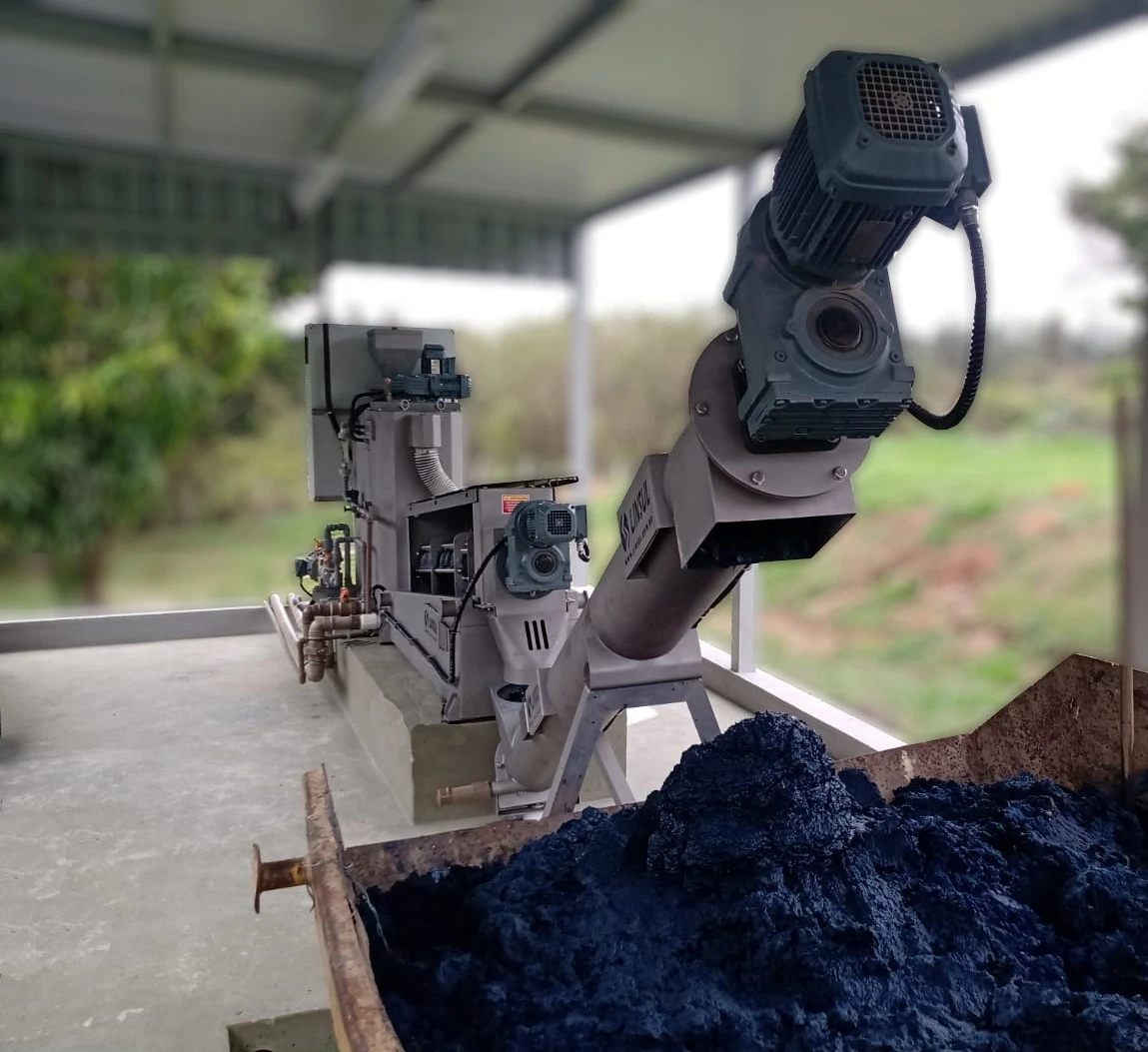
On entering the filtration zone, the sludge passes through the system of fixed and moving discs. While the helical screw conveys the material, the water (filtrate) drains through the gaps between the discs. Linsul's differentiator is the mechanical self-cleaning system: the constant movement of the discs prevents the meatpacking plant's fat from "blinding" the equipment, maintaining the nominal flow without interruptions.

  1. Final Dewatering and Compression

At the discharge end, the pressure increases to extract as much residual moisture as possible. The result is a compact "sludge cake" with drastically reduced volume, ready for transport and final disposal in accordance with environmental standards.

Technical Results: Measurable Performance

In this real application, the Linsul Disc Press delivered figures that prove its technical superiority:

  • Processing Flow Rate: 5 m³/h of treated sludge.
  • Solids Recovery: A recovery rate of 85%, ensuring a high-quality filtrate to return to the WWTP.
  • Material: Stainless steel construction, ensuring corrosion resistance and durability in harsh environments.
  • Automation: Operation with low energy consumption and very low maintenance.

Frequently Asked Questions about Disc Sludge Dewatering (FAQ)

What is the best press for meatpacking plant sludge?

The Disc Press is considered the most efficient technology for meatpacking plants due to its resistance to fats and oils. Unlike belts and screens, the discs do not clog easily and have a self-cleaning system.

How can sludge disposal costs be reduced?

Reducing disposal costs is directly linked to dewatering efficiency. Equipment that achieves high solids recovery, such as the Linsul Press (up to 90%), reduces the volume of sludge to be transported, generating immediate logistical savings.

What is the ideal flow rate for an industrial Disc Press?

The flow rate depends on the plant's needs. Linsul offers customizable models, such as the one in this case study, which operates at 5 m³/h, ideal for medium and large plants seeking continuous operation.

Explore Linsul's Dewatering Technology

To learn all the technical details, dimensions and capacities of our models, visit the equipment's official page:

Learn more about the Linsul Sludge Dewatering Press

Our technical team is ready to analyze the particularities of your wastewater and recommend the ideal configuration to optimize your Wastewater Treatment Plant (WWTP).

Blog & News

Trends, news and
knowledge

Trends, news and knowledge

Our partnerships

Commitment to Efficiency and Sustainability

We are committed to building solid, long-lasting partnerships with our clients, contributing to a more sustainable and efficient future.

Contact us