


WWTP Sludge Treatment Stages.
Managing the sludge generated in the treatment of sanitary or industrial sanitary wastewater represents a significant cost for companies.
Managing the sludge generated in the treatment of sanitary or industrial sanitary wastewater represents a significant cost for companies.
Sludge is a concentrated mixture of water and solids. Before the treatment stages, its water content is around 99%, while its solids content, made up of microorganisms, organic matter and inorganic substances, is about 1%.
Sludge treatment is essential to reduce volume, stabilize organic matter, inactivate pathogens and allow its disposal or reuse in a safe and less costly way.
Thickening
Goal: Reduce the volume of liquid sludge discharged from the process by removing part of the water, to optimize the subsequent processes.
In thickening, the water content of the sludge drops from approximately 99% to 97% or more, depending on the process used.
Most common processes: Gravity Thickener, Dissolved Air Flotation (DAF), Mechanical Thickener.
Stabilization
Goal: Stabilize the organic matter in the sludge, reducing its potential for putrefaction, odor generation, vector attraction and pathogen concentration.
In general, for sludge to be considered stabilized, the ratio between volatile solids (VS) and total solids (TS) must be below 0.65. A notable example is stabilization in anaerobic digesters, which generates biogas (rich in methane) that, when properly treated, can be used to produce electrical and/or thermal energy at the WWTP itself or be injected into the gas grid.
Most common processes: Anaerobic Digestion (produces biogas), Aerobic Digestion, Chemical Stabilization, Composting and Drying.
Dewatering
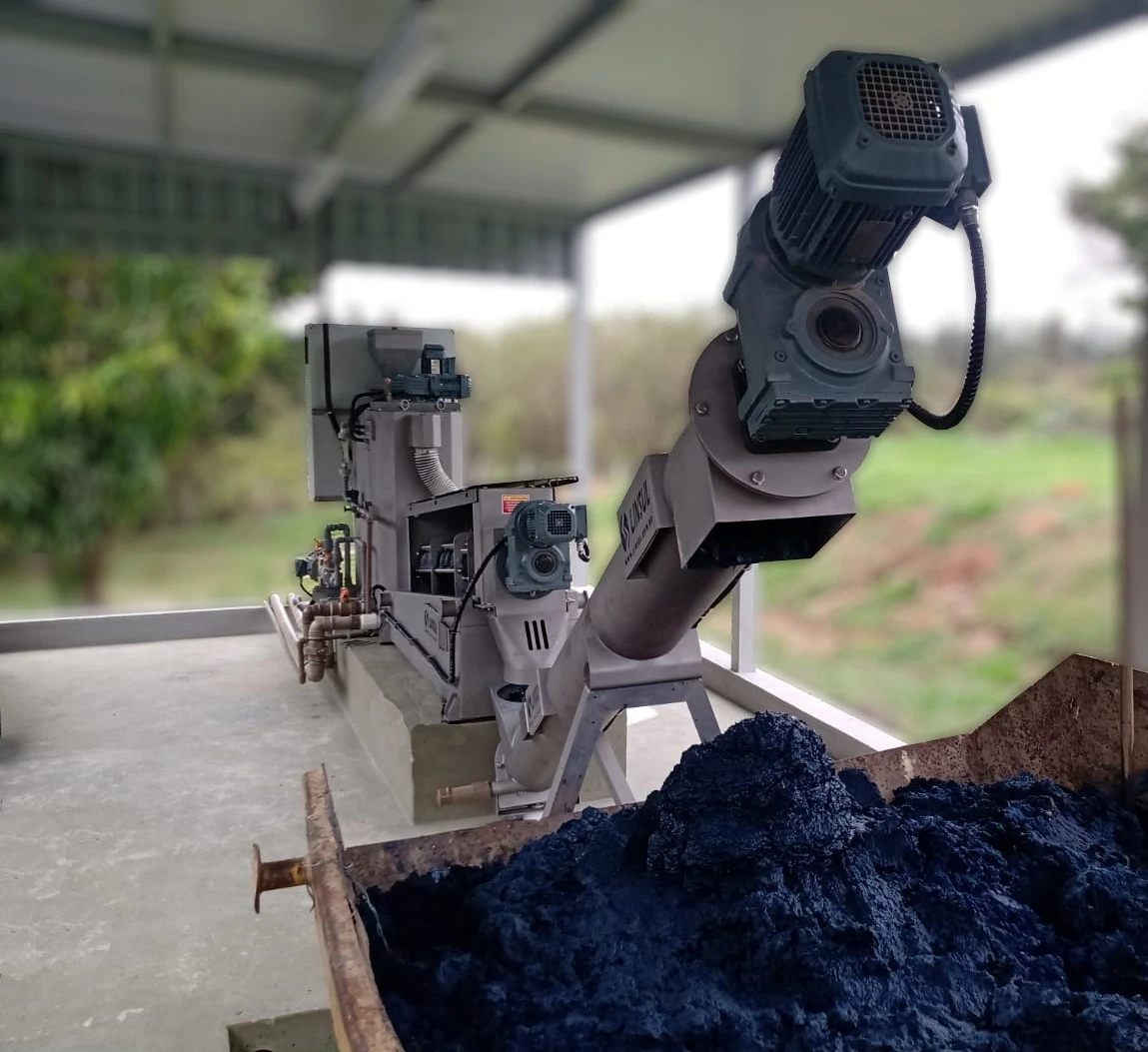
Goal: Remove most of the water remaining in the sludge, turning it into a cake with lower volume and higher solids content.
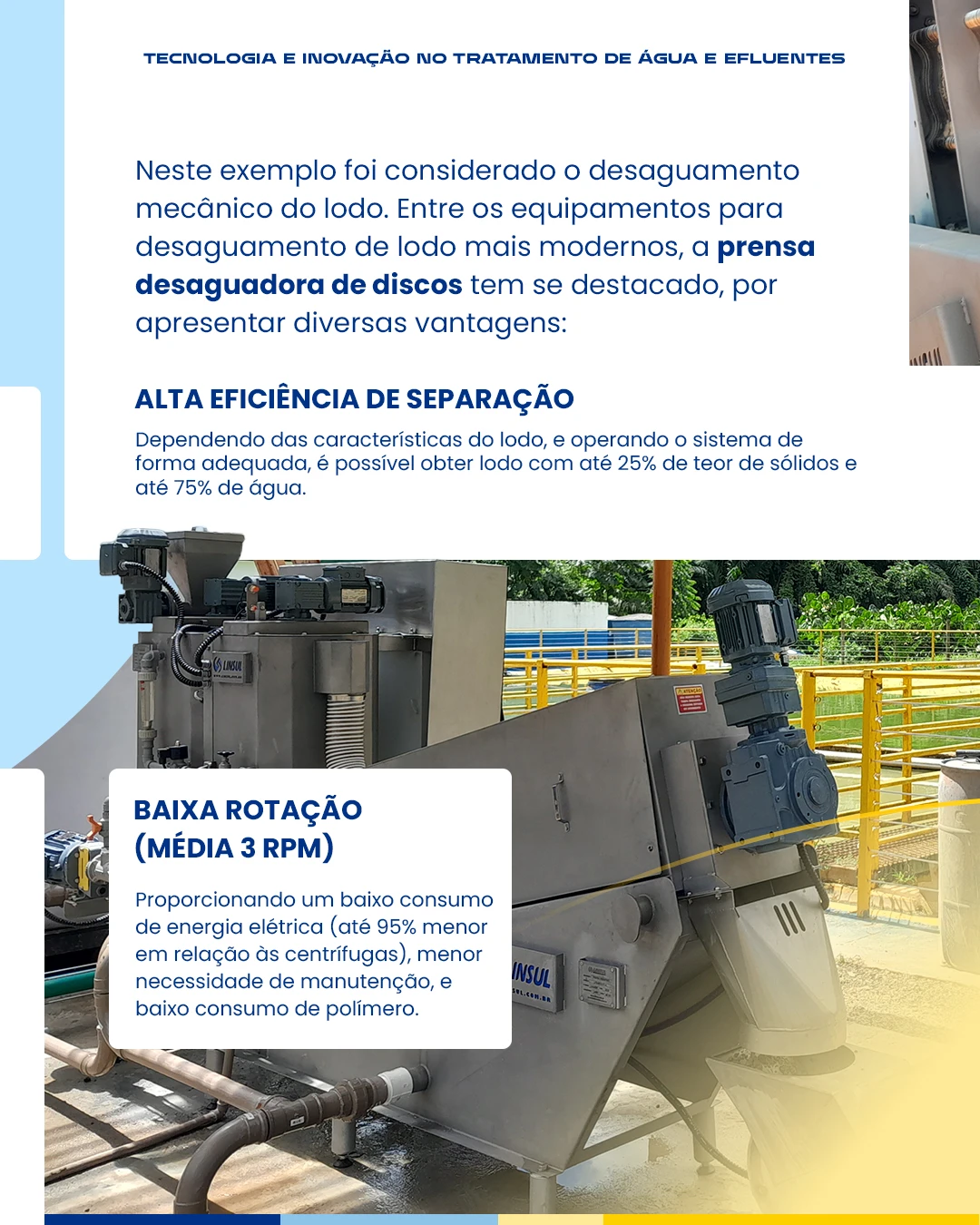
In dewatering, the water content of the thickened sludge drops to around 80% (mechanical equipment) to 60% (natural drying systems). This reduces the sludge volume by more than 80%, giving it a solid or pasty appearance and making the material easier to handle. At most WWTPs, this is the last treatment stage before final disposal.
Most common processes:
Mechanical Equipment: Disc Press, Screw Press, Decanter Centrifuge, Filter Presses, among others.
Natural Drying Systems: Drying Beds, Constructed Wetlands.
Drying
Goal: Further reduce the moisture content of the dewatered sludge and inactivate pathogens, making it more stable and suitable for storage, transport or agricultural or energy use.
This stage is used when the aim is to reach a solids content of around 90% or higher. In addition to a considerable reduction in sludge volume (about 70% compared to dewatered sludge), pathogens are also inactivated, allowing its use in agriculture.
Most common processes: Solar Drying and Thermal Drying.
Sanitization
Goal: Inactivate pathogenic organisms in the sludge, making it suitable for agricultural use.
This stage is not needed when the sludge is sent to sanitary landfills or composting plants, since composting is itself a process that inactivates pathogenic organisms.
Most common processes: Drying, Liming (mixing hydrated or quicklime into the sludge), Composting, Constructed Wetlands.
Final Disposal
Currently, in Brazil, most of the sludge generated at WWTPs is still sent to sanitary landfills, while in many developed countries it is reused after proper treatment. Some final disposal alternatives in Brazil include:
Composting Plants: They usually accept only dewatered sludge. The organic compost obtained at the end of the process is used in agriculture.
Energy Recovery: In addition to the biogas generated in anaerobic digesters, sludge with low moisture content (after drying) can be burned in furnaces or used to produce syngas (H2 and CO) through gasification and/or pyrolysis.
Agricultural or Land Use (Biosolids): Sewage sludge is rich in organic matter and nutrients, mainly nitrogen, but it also has a high concentration of pathogenic organisms. After proper stabilization and sanitization treatment, and meeting the requirements of current legislation (CONAMA Resolution No. 498/2020 or MAPA normative instructions), the sludge can be applied to soil or used in agriculture.
Trends, news and
knowledge
Trends, news and knowledge
 News
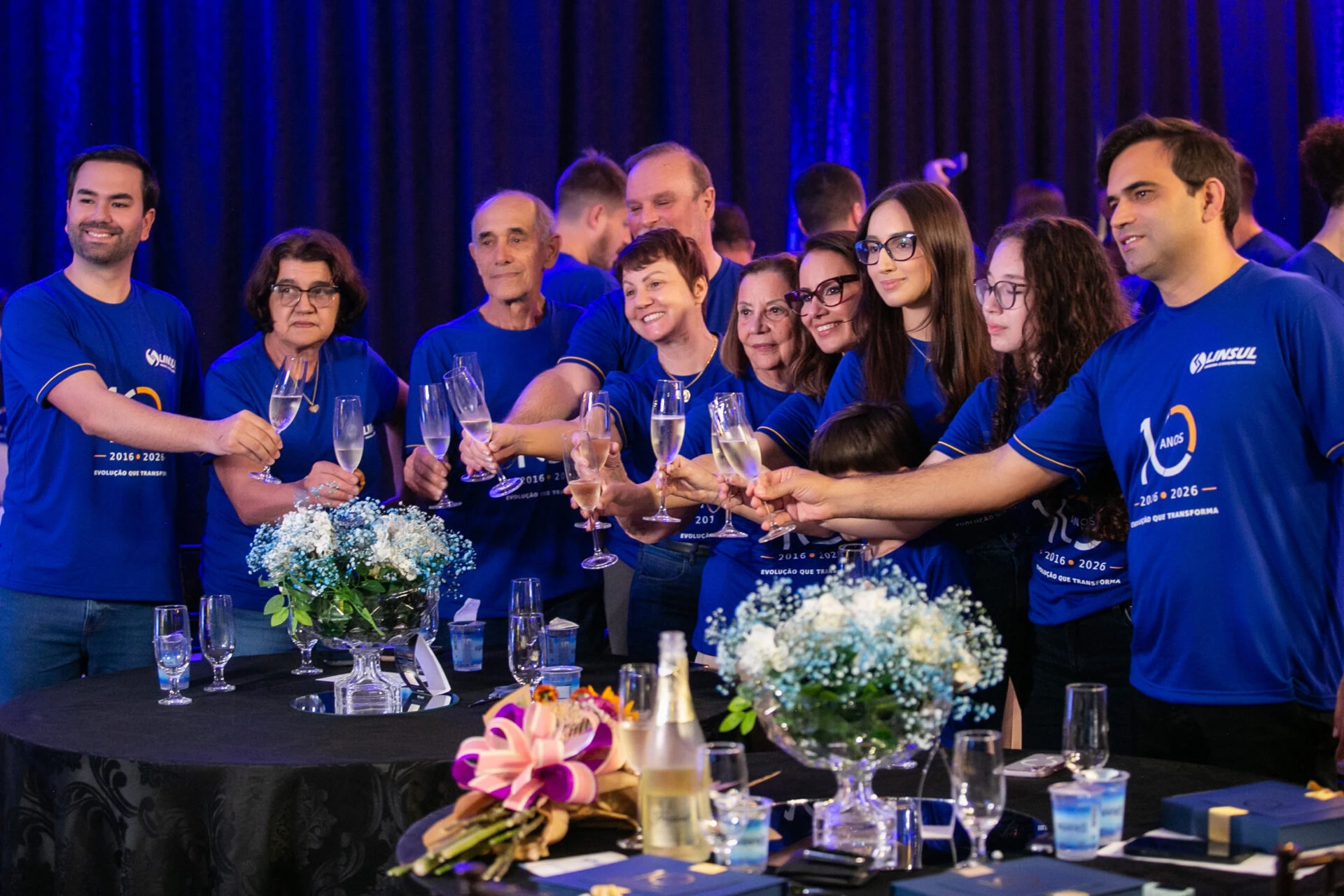
Linsul 10 Years | Evolution that Transforms
LINSUL celebrated a decade of history alongside those who helped make this journey a reality: employ...
 31 Aug 2026
 2 min read
 News
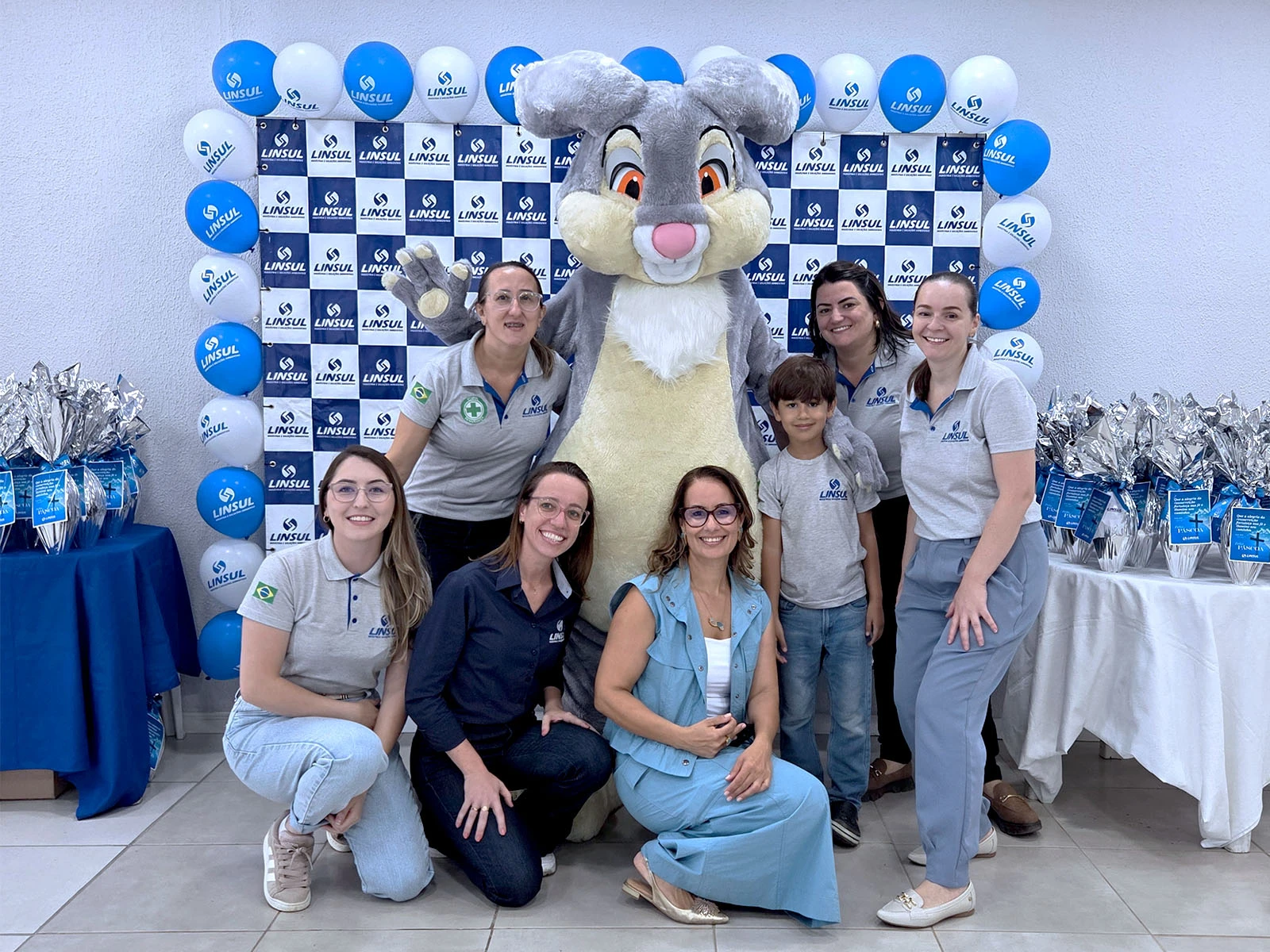
Renewal and Purpose: A Moment of Reflection on Our Journey
Easter is a time of renewal. At Linsul, we celebrated the date and the March birthdays with a specia...
07 Apr 2026
2 min read
 News
Become a wastewater treatment specialist
It's time to take the next step in your career!
26 Feb 2026
2 min read
 News
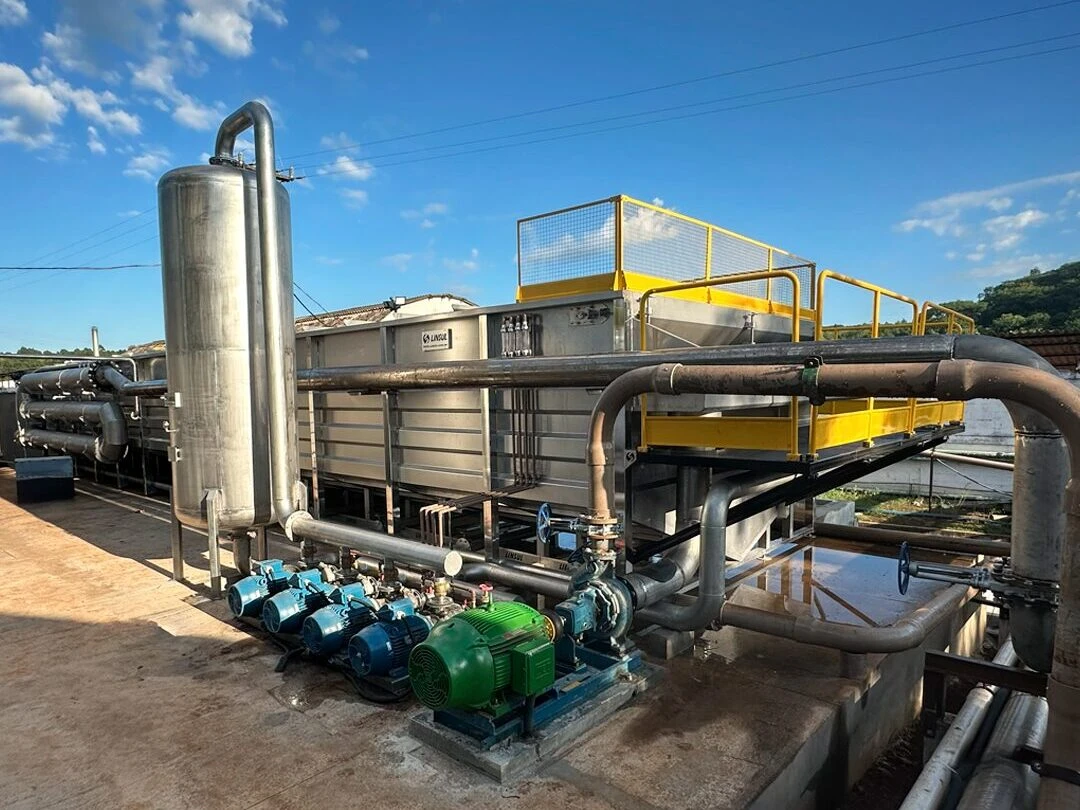
Success Story: Startup of a 600 m³/h Dissolved Air Flotator in the Pulp and Paper Industry
See the details of the startup of the 600 m³/h dissolved air flotator at a pulp and paper plant. Hig...
19 Feb 2026
2 min read
Commitment to Efficiency and Sustainability
We are committed to building solid, long-lasting partnerships with our clients, contributing to a more sustainable and efficient future.
Contact us