


Dissolved Air Flotation (DAF) as a Solution for Removing Algae from Pond Effluents.
There are different types of ponds. One that is very common in WWTPs is the facultative pond, which operates based only on natural processes, in which bacteria and algae work…
There are different types of ponds. One that is very common in WWTPs is the facultative pond, which operates based only on natural processes, in which bacteria and algae work together to degrade organic matter and, eventually, remove part of the nutrients from the sewage.
Another type frequently used, usually after facultative ponds or UASB anaerobic reactors, is the maturation (or polishing) pond, whose goal is to remove pathogenic organisms from the sewage, mainly through solar radiation and algae activity.
Algae are fundamental to the treatment process that takes place in facultative ponds, as they provide, through photosynthesis, the oxygen bacteria need to oxidize organic matter. One of the products released by bacteria in this oxidation is carbon dioxide, which is used by algae during photosynthesis. And so the cycle continues. In addition, the consumption of carbon dioxide from the water during photosynthesis raises the pH and, depending on the value reached, ammonia volatilizes and phosphates precipitate.
In maturation ponds, the photosynthetic activity of algae is more intense because of their shallower depth compared to facultative ponds. As a result, in addition to solar radiation, the high pH and high dissolved oxygen concentration resulting from photosynthesis are important factors in reducing the concentration of pathogenic organisms.
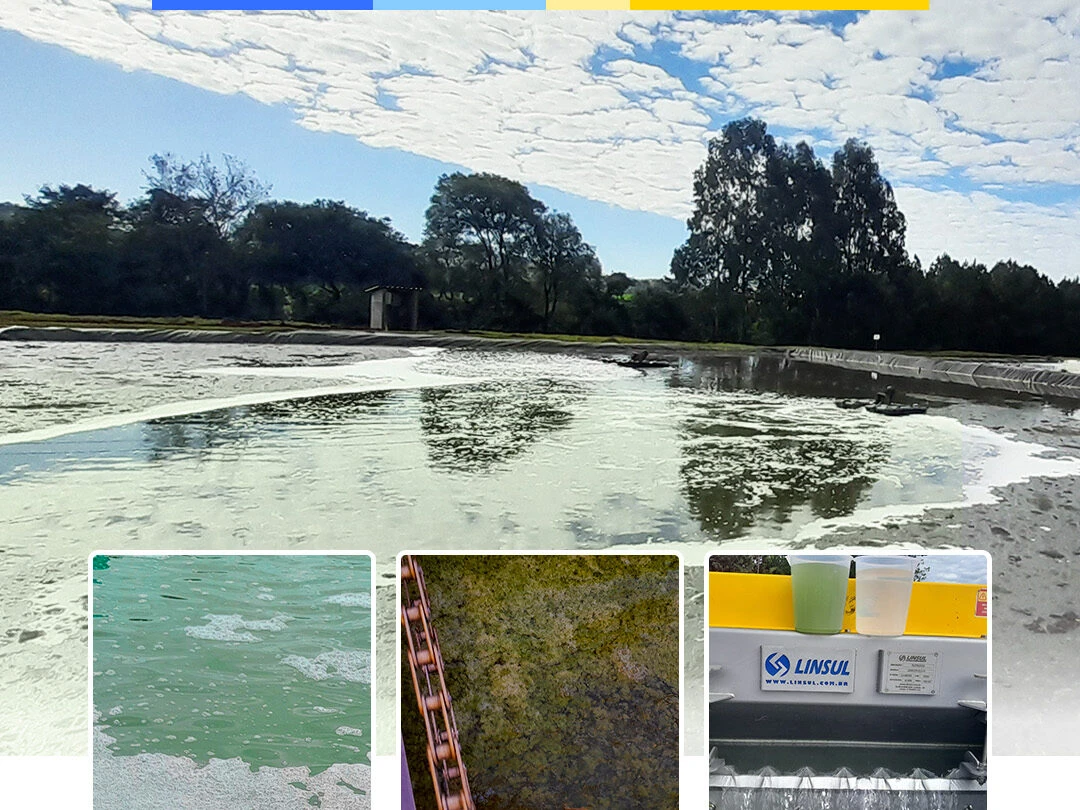
Facultative and maturation ponds usually have a very intense greenish color due to the high concentration of algae, as can be seen in the image.
Although they are important in pond treatment processes, algae can cause environmental and public health problems if discharged directly into the water body together with the plant's final effluent. The effluent from these ponds has high turbidity and color due to the presence of algae, high pH values, sometimes above 10, and may also contain significant concentrations of toxins due to the presence of cyanobacteria.
In addition to harming the ecosystem, these factors can put at risk the water quality of the receiving body for certain uses downstream of the WWTP, such as livestock watering and intake for public supply, requiring an additional stage for algae removal.
Despite the relevance of this problem, there are few viable alternatives for removing algae from the final effluent of stabilization ponds. Among the available options, dissolved air flotation (DAF) stands out as an effective solution. This process consists of introducing air microbubbles into the effluent, which attach to algae and other contaminants, promoting their separation and removal from the water. In addition to removing algae, DAF also helps reduce the concentration of remaining suspended solids and phosphorus, one of the main causes of eutrophication of water bodies.
Modernizing wastewater treatment plants is a challenge, since decommissioning ponds and building new plants require high investments. In this context, adding a dissolved air flotation (DAF) system is an attractive alternative, as it improves the quality of the ponds' final effluent without the need for major structural works.
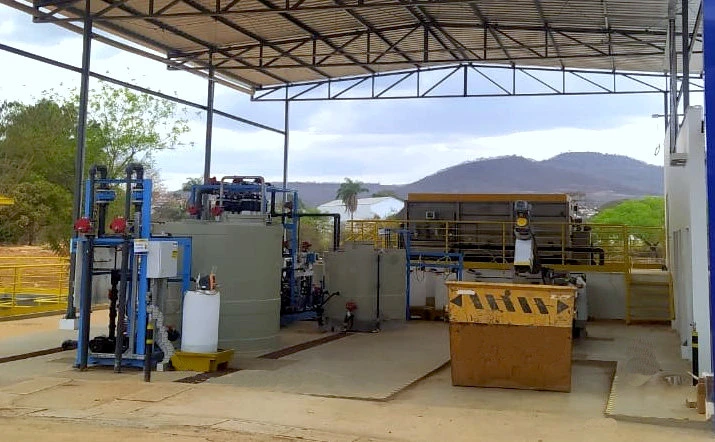
Linsul Indústria e Soluções Ambientais develops and manufactures equipment and complete systems for water and wastewater treatment. We supply an integrated, compact and innovative dissolved air flotation (DAF) system, including a mechanical flocculator, a pH correction system and a microbubble generation system with a turbine-type multistage pump.
Trends, news and
knowledge
Trends, news and knowledge
 News
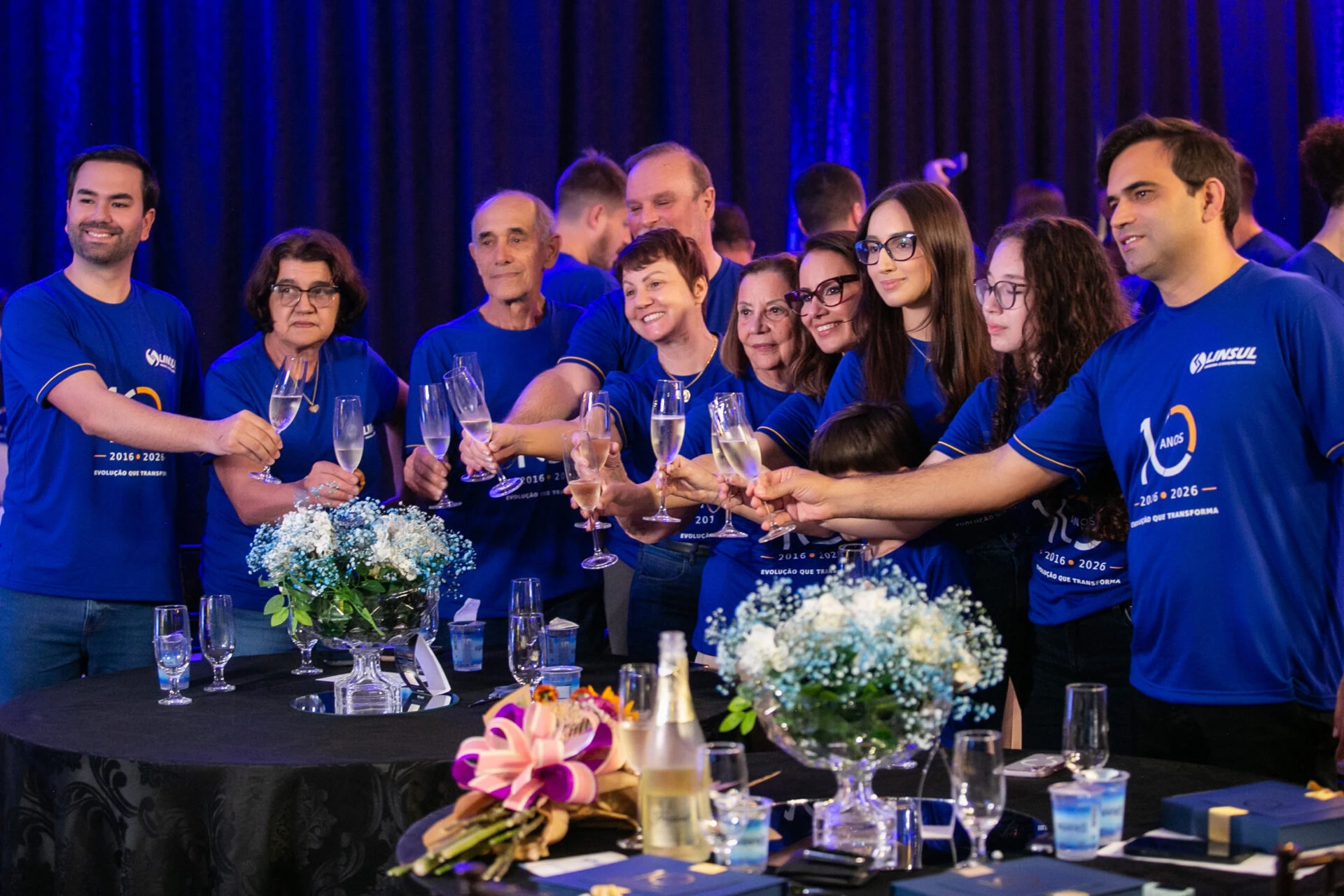
Linsul 10 Years | Evolution that Transforms
LINSUL celebrated a decade of history alongside those who helped make this journey a reality: employ...
 31 Aug 2026
 2 min read
 News
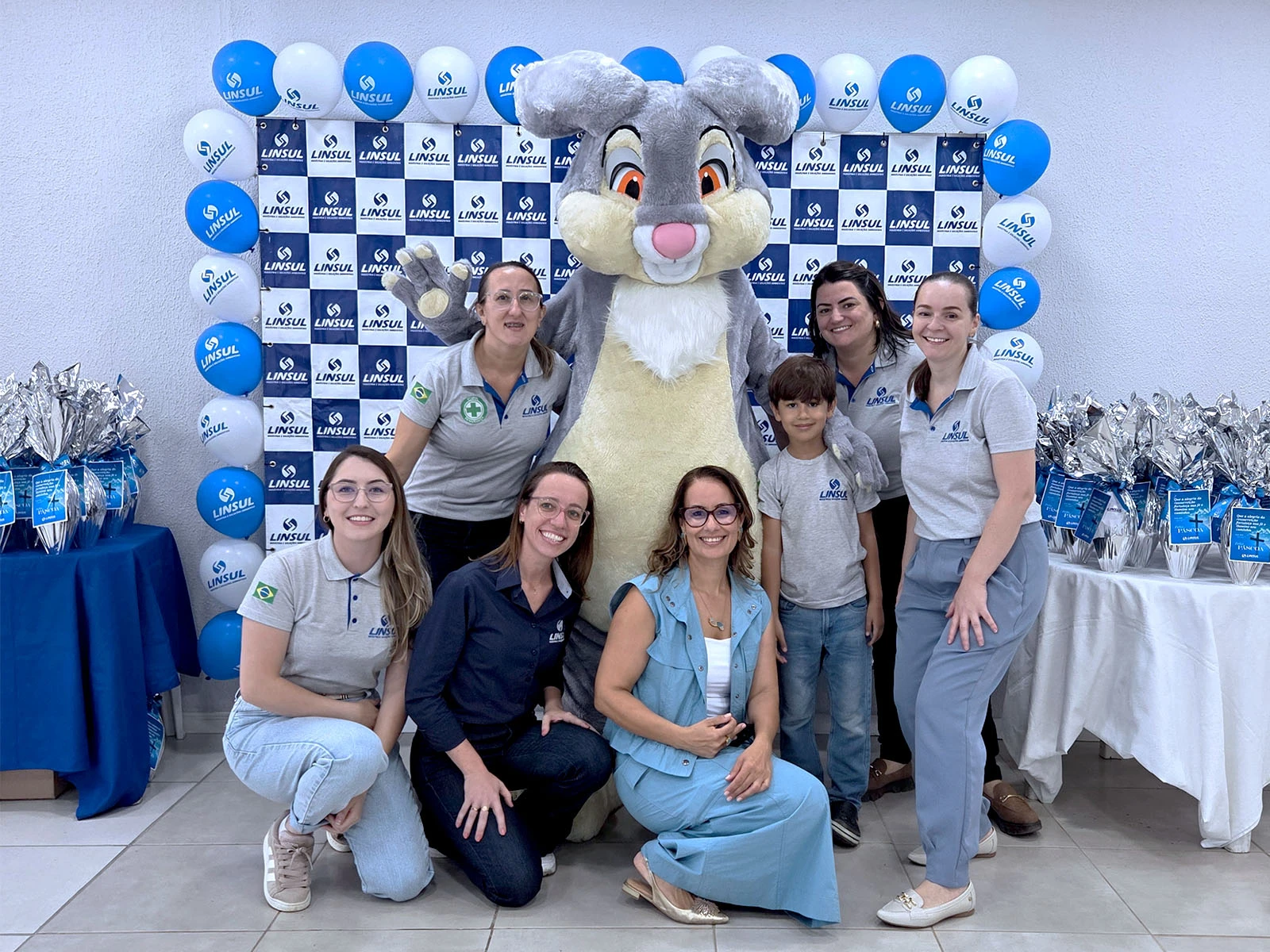
Renewal and Purpose: A Moment of Reflection on Our Journey
Easter is a time of renewal. At Linsul, we celebrated the date and the March birthdays with a specia...
07 Apr 2026
2 min read
 News
Become a wastewater treatment specialist
It's time to take the next step in your career!
26 Feb 2026
2 min read
 News
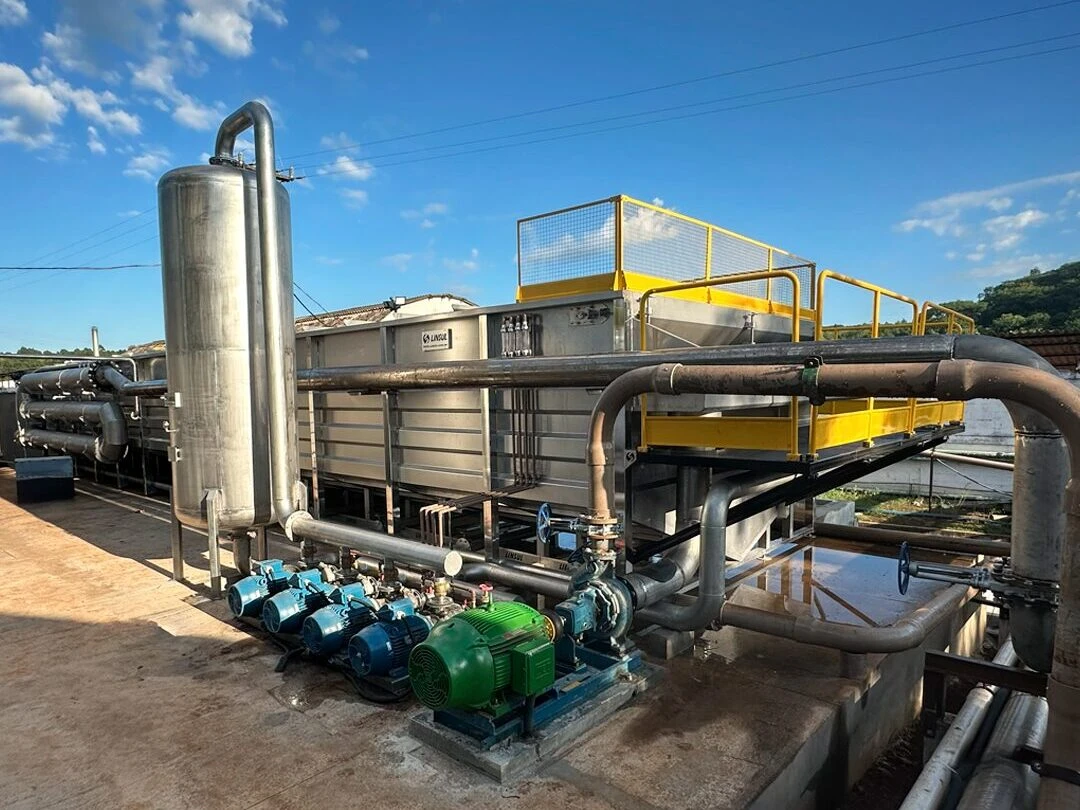
Success Story: Startup of a 600 m³/h Dissolved Air Flotator in the Pulp and Paper Industry
See the details of the startup of the 600 m³/h dissolved air flotator at a pulp and paper plant. Hig...
19 Feb 2026
2 min read
Commitment to Efficiency and Sustainability
We are committed to building solid, long-lasting partnerships with our clients, contributing to a more sustainable and efficient future.
Contact us