


Meatpacking Plant Wastewater: Origin, Characteristics, Treatment and Opportunities.
Meatpacking plant wastewater comes from multiple sources along the production chain. From the reception of the animals, with vehicle and floor washing, through slaughter, evisceration, cleaning…
Origin and Characteristics of the Wastewater
Meatpacking plant wastewater comes from multiple sources along the production chain. From the reception of the animals, with vehicle and floor washing, through slaughter, evisceration, carcass cleaning, chilling and by-product processing, each stage contributes specific contaminants. Washing of equipment and cold rooms adds significant volume. The result is a heterogeneous, high-volume and highly polluting wastewater.
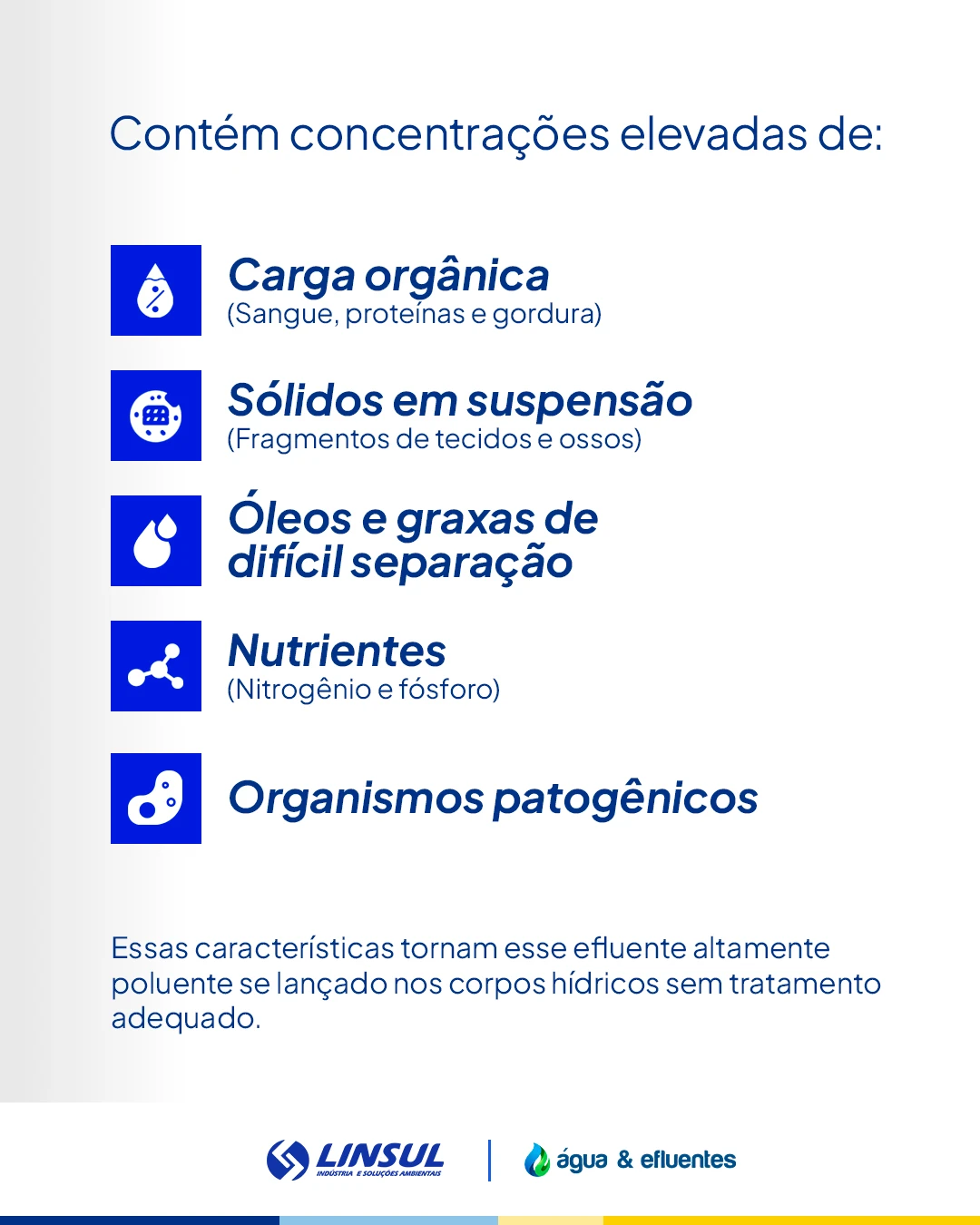
Meatpacking wastewater is characterized by a high organic load (blood, proteins, fat), suspended solids (tissue and bone fragments), oils and greases that are difficult to separate, nutrients (nitrogen and phosphorus) and pathogenic organisms, making it highly polluting if discharged into water bodies without proper treatment.
Treatment Stages
Treatment follows a logical sequence of progressive contaminant removal:
Preliminary Treatment: Bar screens and screens remove coarse solids, such as bones, feathers and large fragments, from the wastewater, protecting the subsequent equipment.
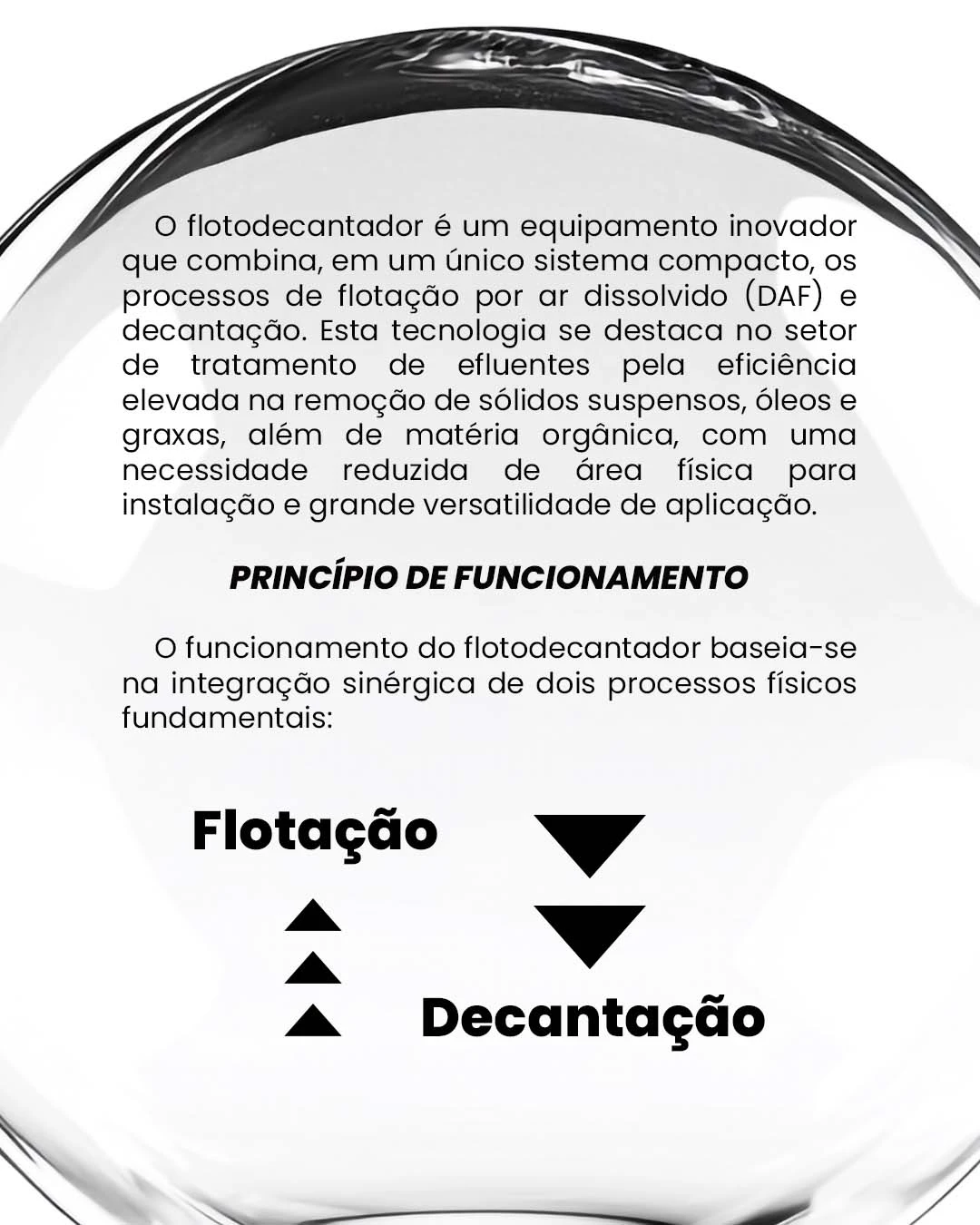
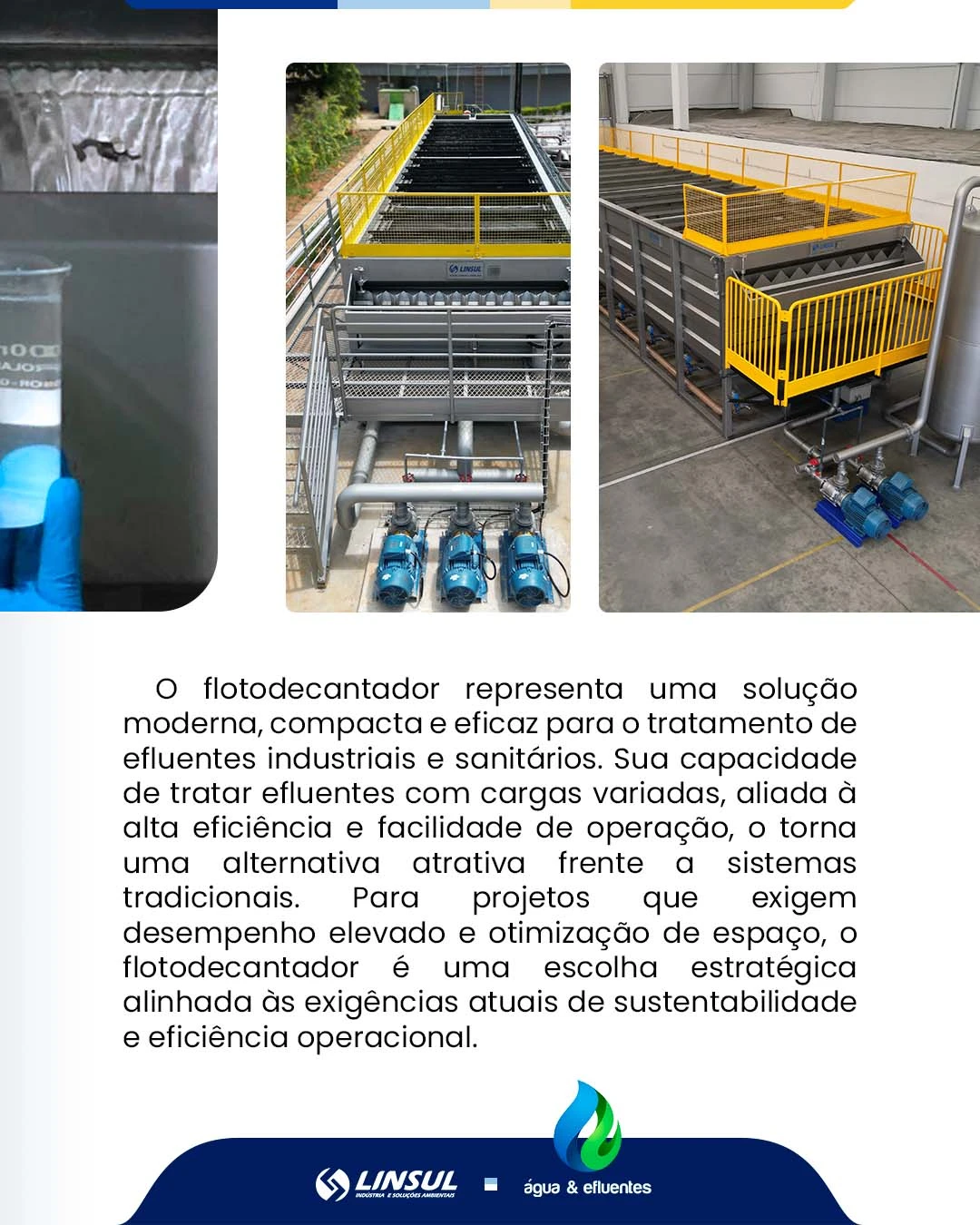
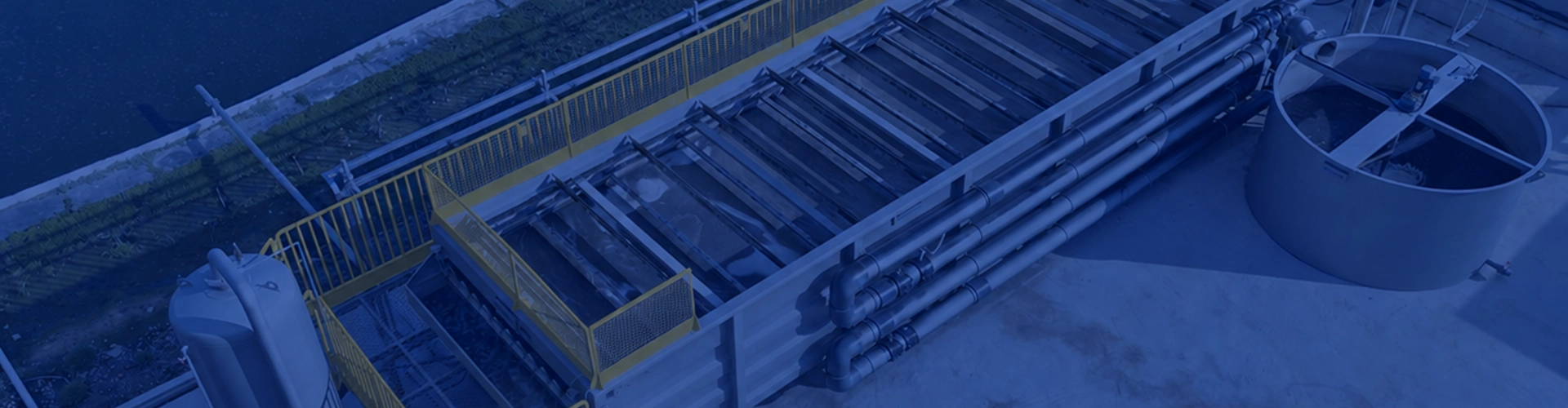
Primary (Physicochemical) Treatment: The highlight here is the dissolved air flotator (DAF), which uses air microbubbles that attach to fats, oils and suspended solids, making them float to the surface, where they are removed mechanically. The DAF is usually preceded by pH adjustment, coagulation and flocculation to destabilize suspended particles and form larger agglomerates (flocs), making them easier to remove by flotation. This equipment is highly recommended for meatpacking plants, as it removes suspended solids and fats with high efficiency.
Secondary Treatment: Anaerobic, aerobic (such as activated sludge) or combined biological processes degrade the remaining organic matter and part of the nutrients, mainly nitrogen.
The separation between the biological sludge generated and the water usually takes place in secondary clarifiers. The sludge is sent to the sludge treatment system, where it undergoes stabilization and excess water removal. The sludge is then sent for agricultural use or disposal.
Tertiary Treatment: When necessary, the DAF can be used as a polishing step to remove residual solids and phosphorus. Ultrafiltration and/or disinfection (with chlorine or UV) can be used to produce reuse water or for safe discharge.
Waste Recovery and Water Reuse
The sludge floated in the DAF is not simply discarded. It is rich in organic matter and fat and can be used to produce animal feed or biodiesel.
The biological sludge from secondary treatment has potential for biogas generation in anaerobic digesters and, after dewatering and sanitization, can be used as an agricultural input.
The treated water can be used for floor washing, carcass chilling or even cleaning processes, provided it undergoes additional processes (disinfection with chlorine or UV, tertiary polishing) according to the application.
This circular economy approach reduces disposal costs and environmental problems related to discharge into the environment, while also generating additional revenue and savings for the company.

Trends, news and
knowledge
Trends, news and knowledge
 News
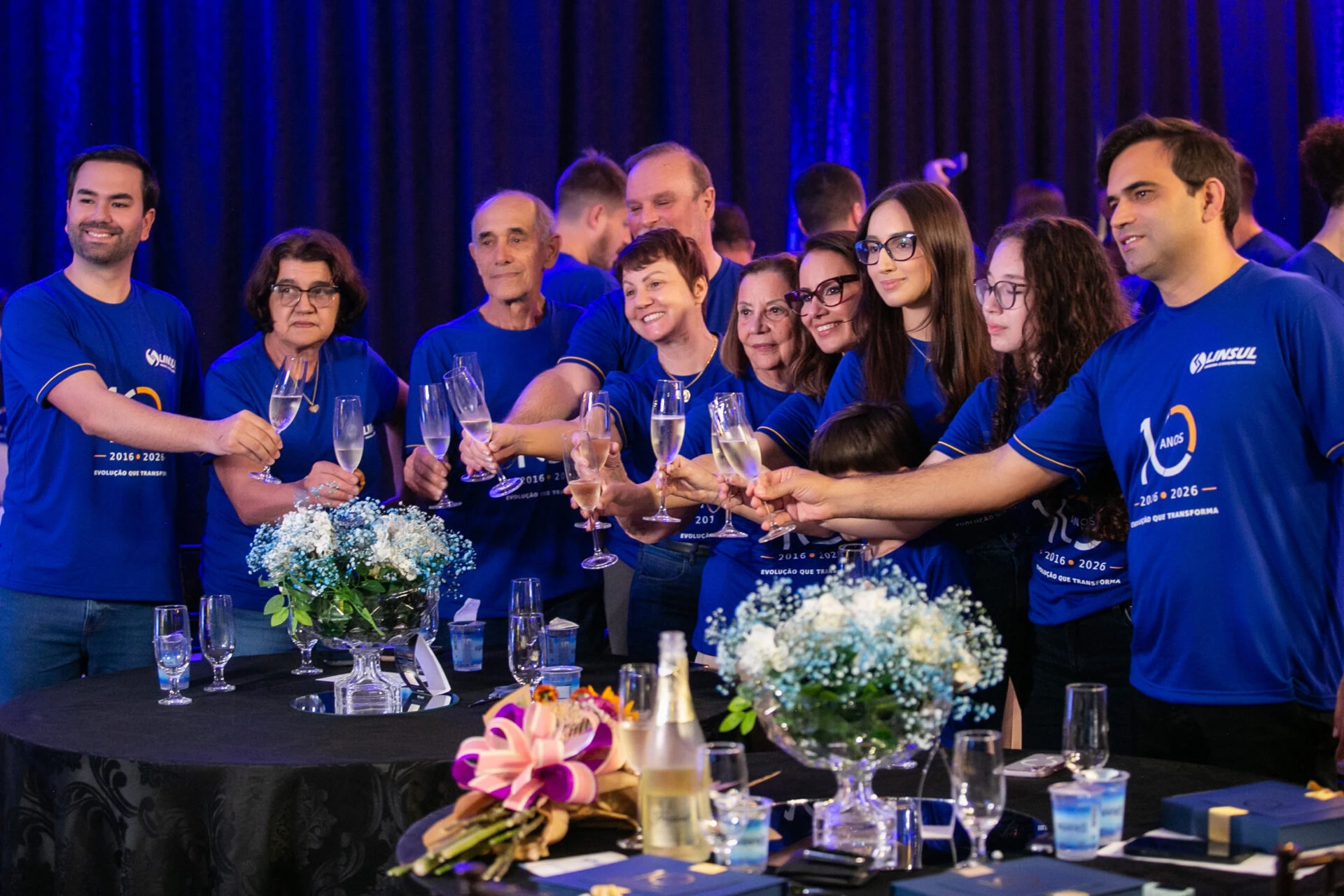
Linsul 10 Years | Evolution that Transforms
LINSUL celebrated a decade of history alongside those who helped make this journey a reality: employ...
 31 Aug 2026
 2 min read
 News
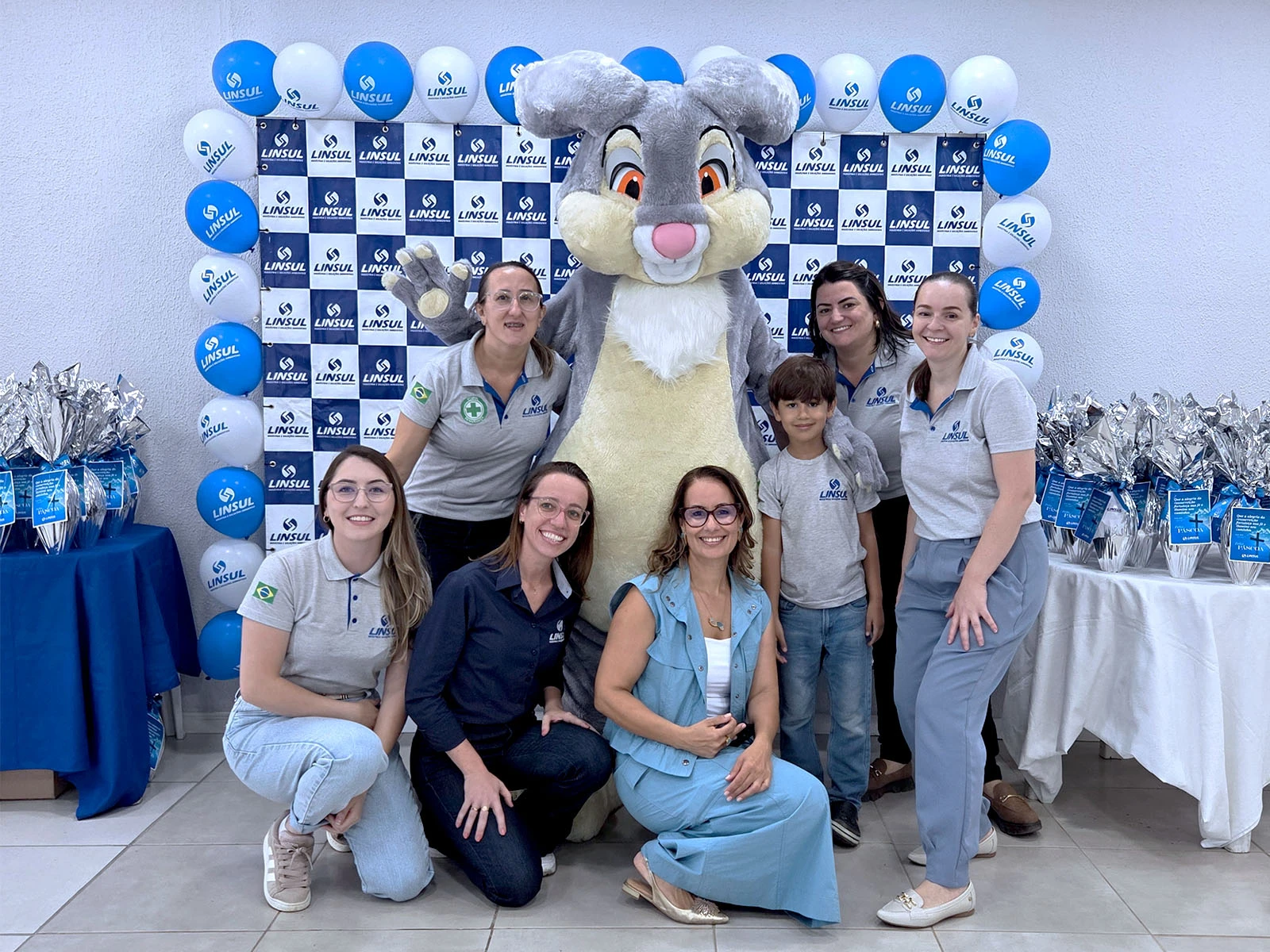
Renewal and Purpose: A Moment of Reflection on Our Journey
Easter is a time of renewal. At Linsul, we celebrated the date and the March birthdays with a specia...
07 Apr 2026
2 min read
 News
Become a wastewater treatment specialist
It's time to take the next step in your career!
26 Feb 2026
2 min read
 News
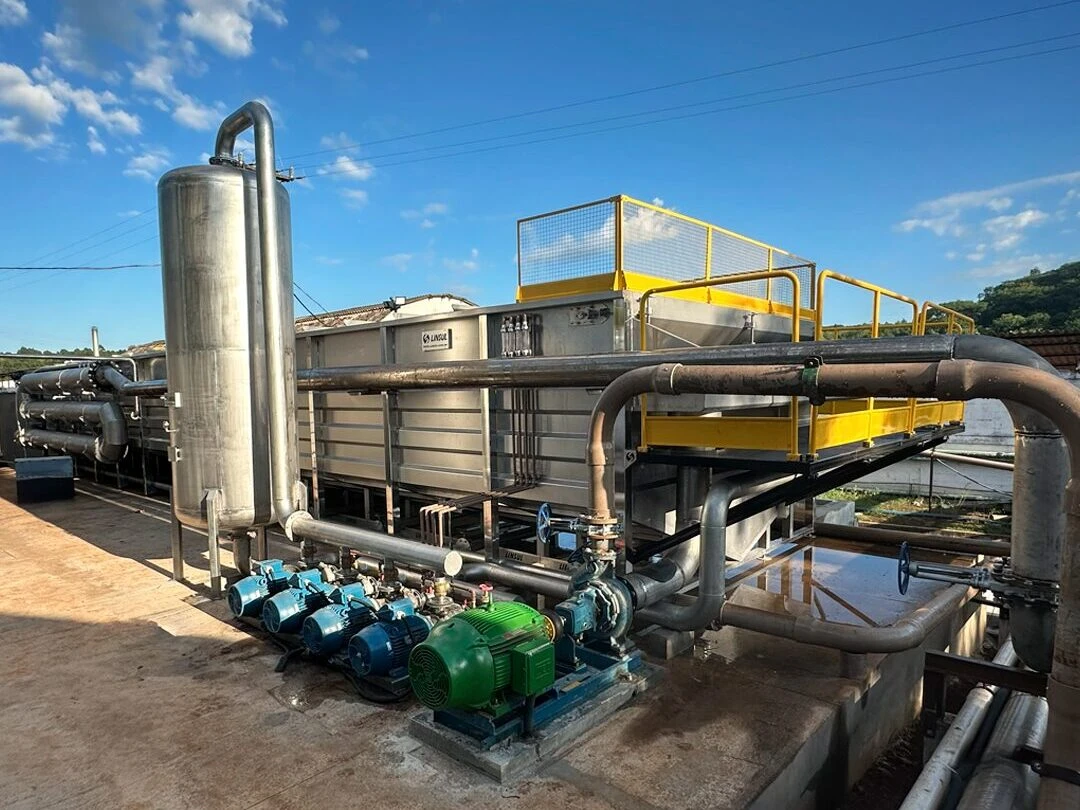
Success Story: Startup of a 600 m³/h Dissolved Air Flotator in the Pulp and Paper Industry
See the details of the startup of the 600 m³/h dissolved air flotator at a pulp and paper plant. Hig...
19 Feb 2026
2 min read
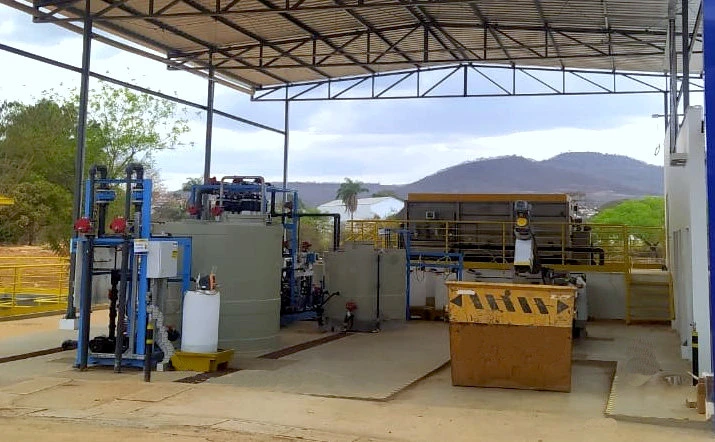
Commitment to Efficiency and Sustainability
We are committed to building solid, long-lasting partnerships with our clients, contributing to a more sustainable and efficient future.
Contact us