


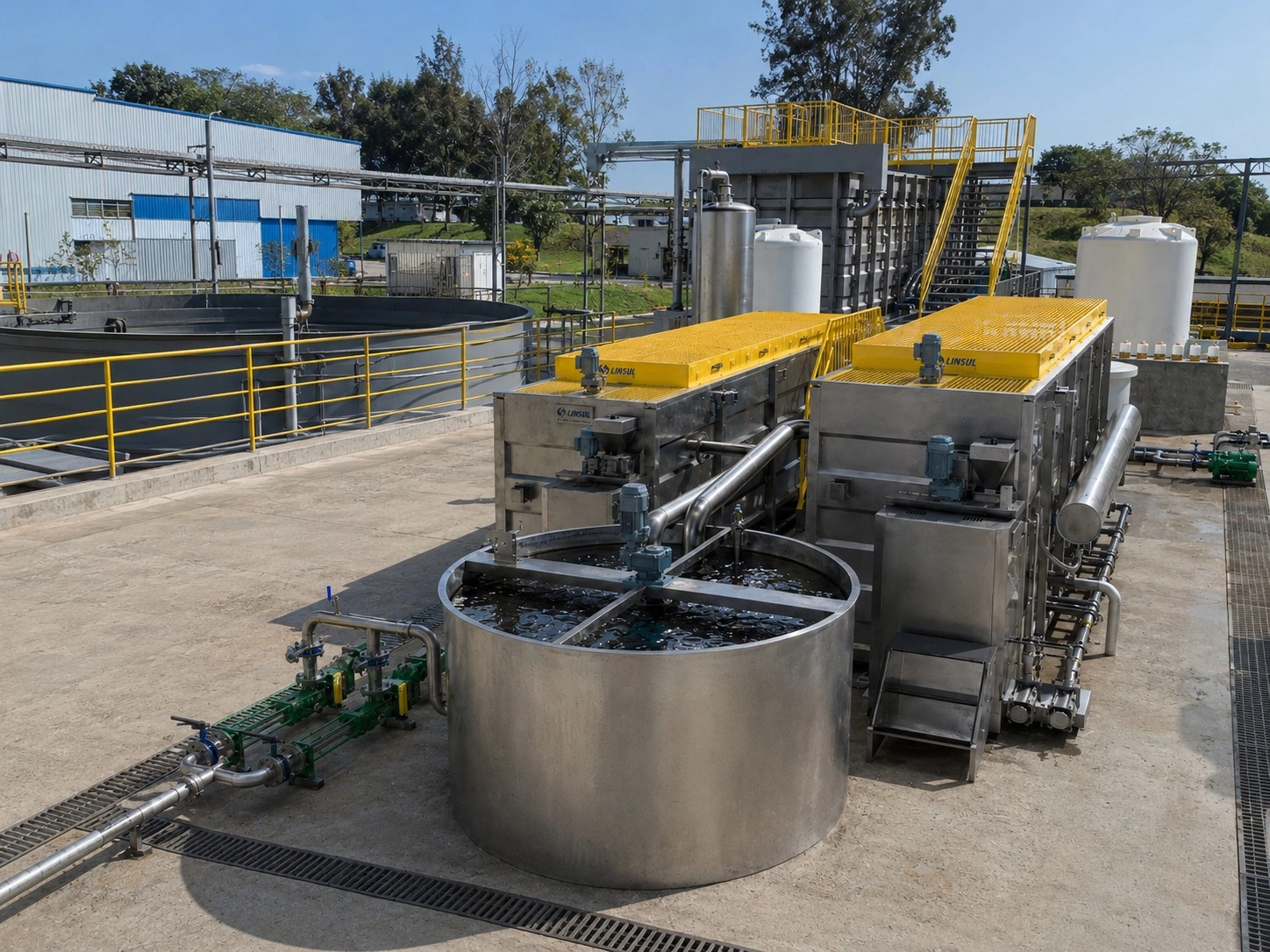
Overloaded industrial WWTP: what could be compromising its performance?
What could be compromising performance?
Bottlenecks in pre-treatment, equalization, flotation and solids removal can affect the entire operation.
When an industrial wastewater treatment plant starts to show instability, low efficiency or difficulty meeting the required parameters, attention usually turns directly to the WWTP's main system.
But in many cases, the problem is not only in the biological treatment, the physicochemical treatment or the final stage. Overload can start much earlier: in pre-treatment, equalization, solids removal, oil and grease separation or flow control.
In industrial operations, especially in segments with high load variation such as meatpacking, dairy, food, beverages, textiles, pulp and paper, metallurgy and agribusiness, small bottlenecks can compromise the entire plant's performance.
That is why understanding what is overloading the WWTP is the first step to improving efficiency, reducing operating costs and increasing process safety.
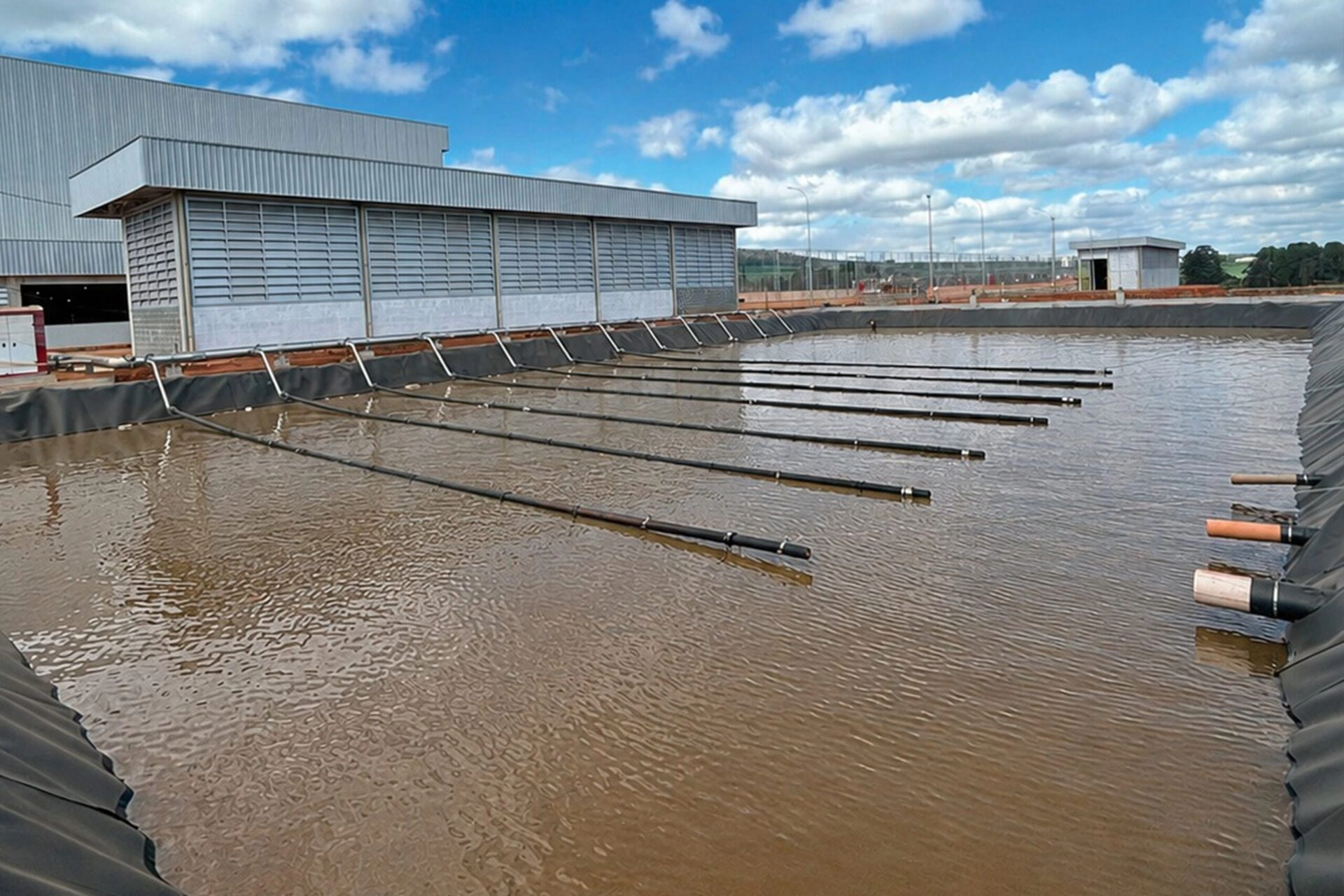 Diffused air aeration system

What does it mean for a WWTP to be overloaded?
An overloaded industrial WWTP is a plant that receives a load above its ideal operating capacity. This overload can be caused by excess flow, high concentration of organic matter, a high presence of solids, oils and greases, pH variation, shock loads or failures in earlier stages of the system. See the main symptoms alongside:
In practice, this can lead to symptoms such as:
- 1. increase in BOD and COD in the effluent;
- 2. accumulation of solids in the system;
- 3. excessive sludge generation;
- 4. bad odor;
- 5. instability in the biological treatment;
- 6. low efficiency in removing oils and greases;
- 7. difficulty meeting environmental parameters;
- 8. increased consumption of chemicals;
- 9. higher operating and maintenance costs.
See how we can
solve this:
1. Pre-treatment: the first barrier against overload.
Pre-treatment of industrial wastewater plays a fundamental role in protecting the plant. It is responsible for removing coarse solids, suspended materials, debris and part of the load that could compromise later stages.
When this stage is insufficient, the WWTP starts receiving a larger amount of solids and impurities. This can cause clogging, pump wear, material build-up in tanks, increased organic load and a drop in overall performance.
Equipment that can work at this stage
Linsul can contribute with solutions such as:
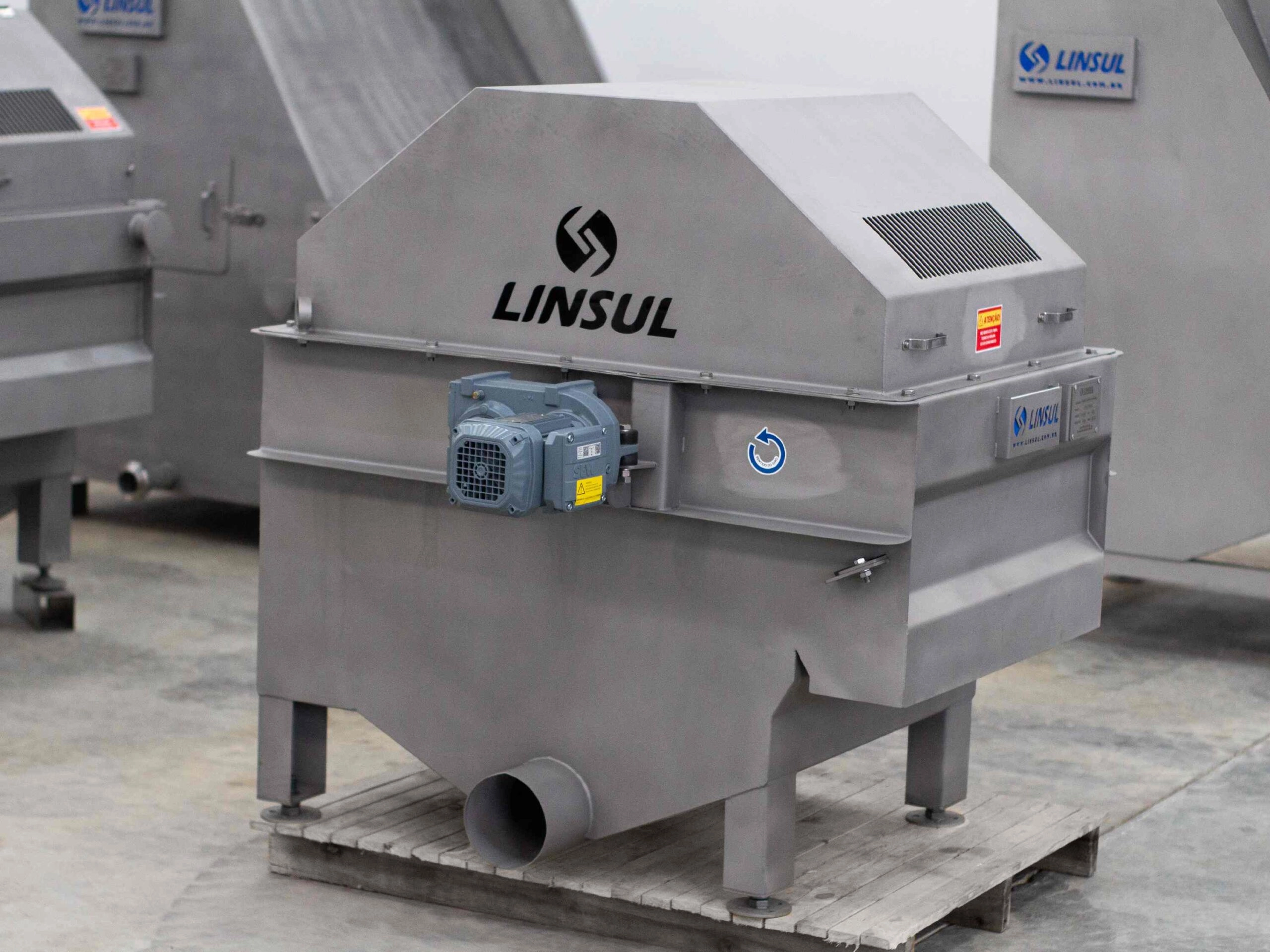
Screens for effluent treatment.
Designed to remove solids from the effluent before they reach the next stages of the plant.
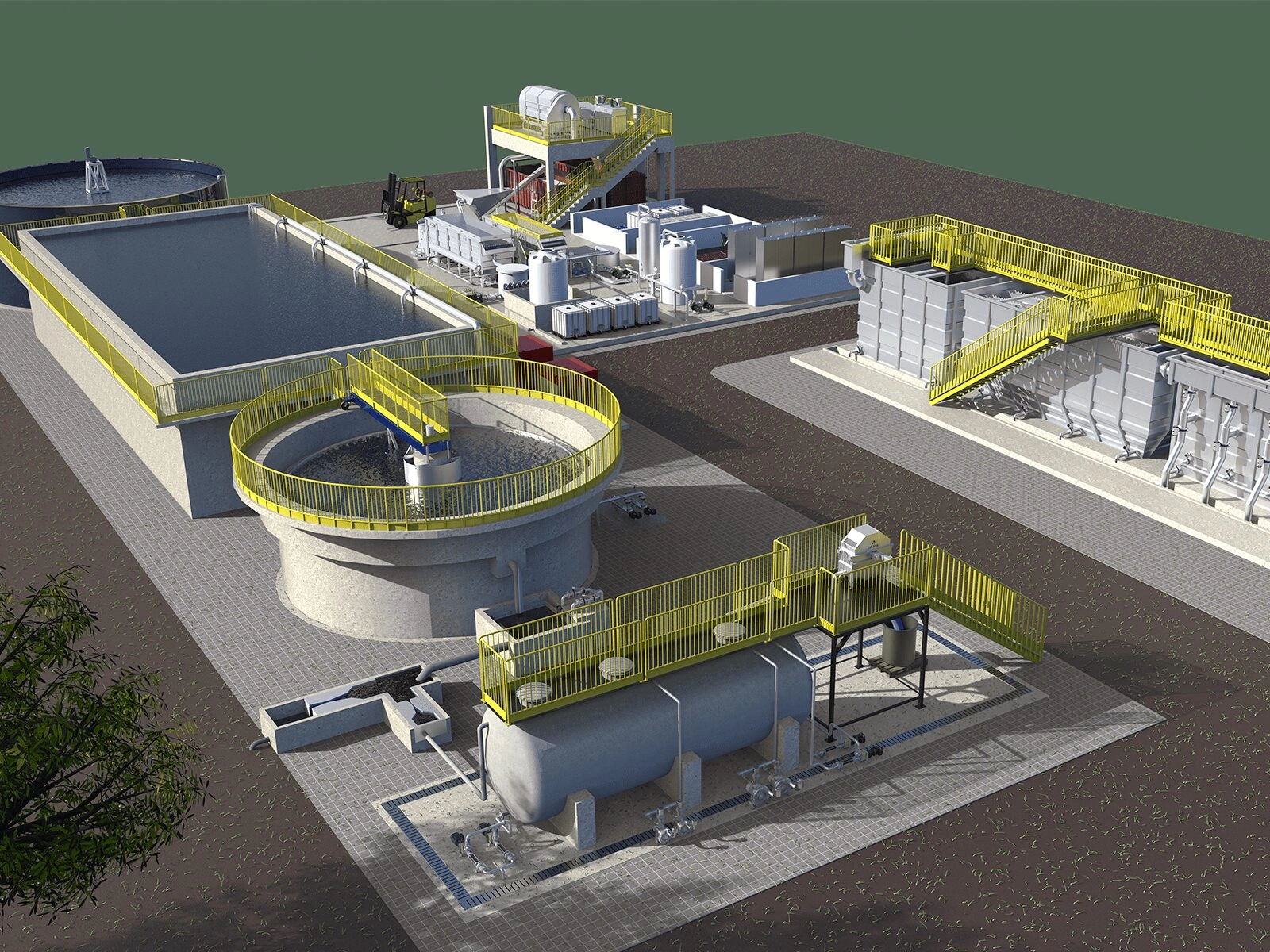
Industrial pre-treatment systems.
Designed according to the effluent characteristics, flow rate and the client's operational needs.
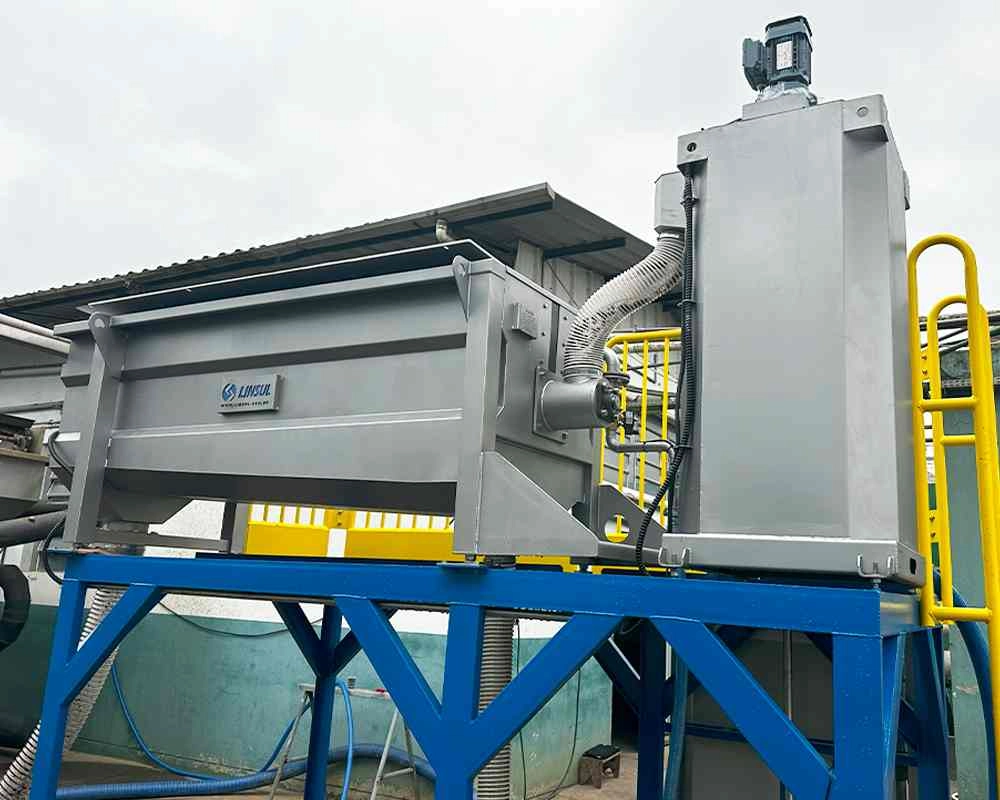
Stainless steel tanks and structures.
Used in processes that require strength, durability and reliability in industrial environments.
In many cases, improving pre-treatment is one of the most efficient ways to reduce the load on the WWTP and extend the service life of the equipment.
2. Equalization: the stage that stabilizes the operation.
When equalization does not work properly, the WWTP can suffer from:
- excess oils and greases;
- high concentration of suspended solids;
- increase in BOD and COD;
- overload in the lagoons;
- low efficiency of the existing treatment;
- excess sludge;
- need to improve performance before the biological treatment.
Related solutions
Linsul can provide equipment and systems associated with equalization, such as:
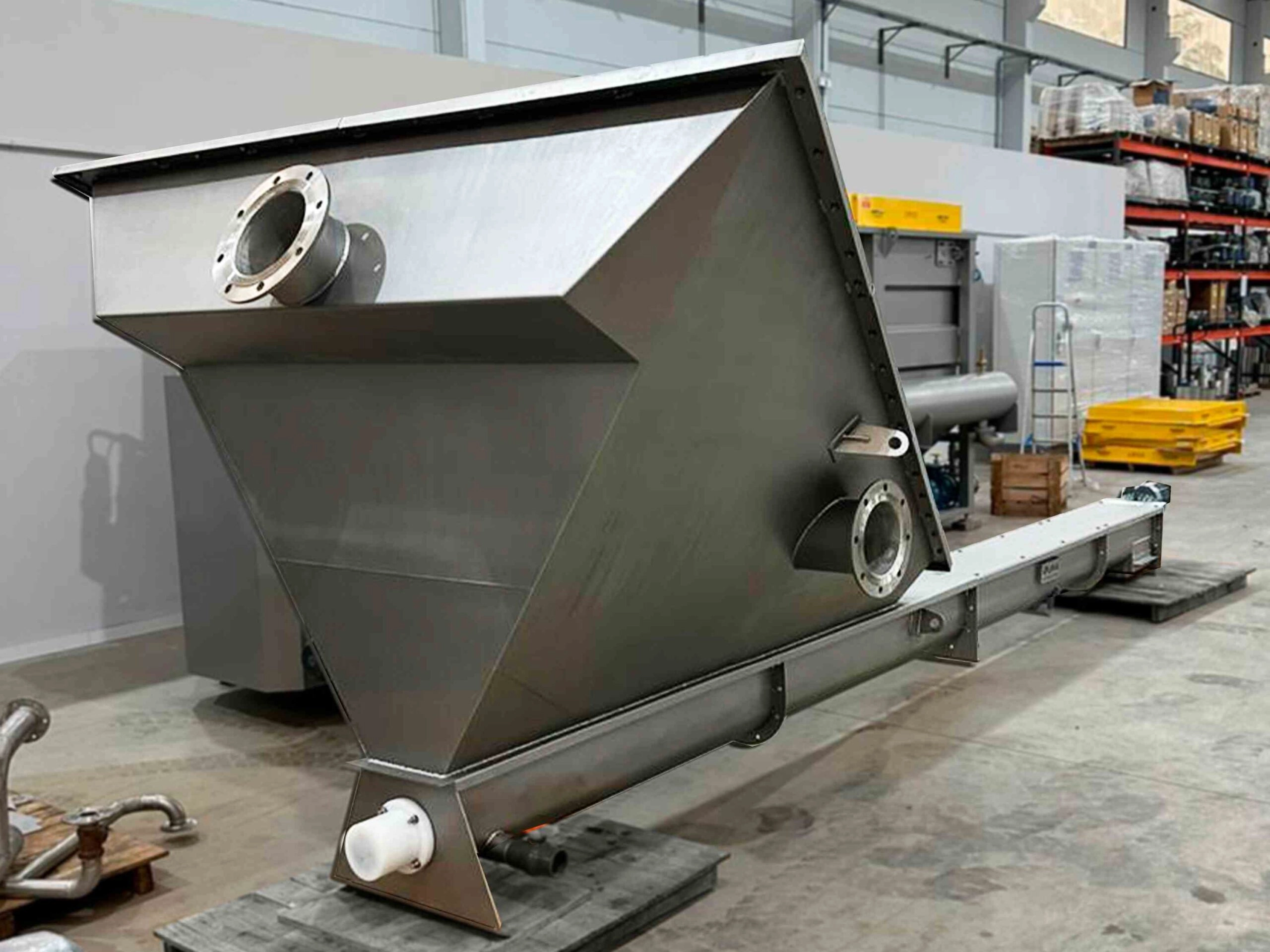
Aeration systems.
Designed according to the effluent characteristics, flow rate and the client's operational needs.
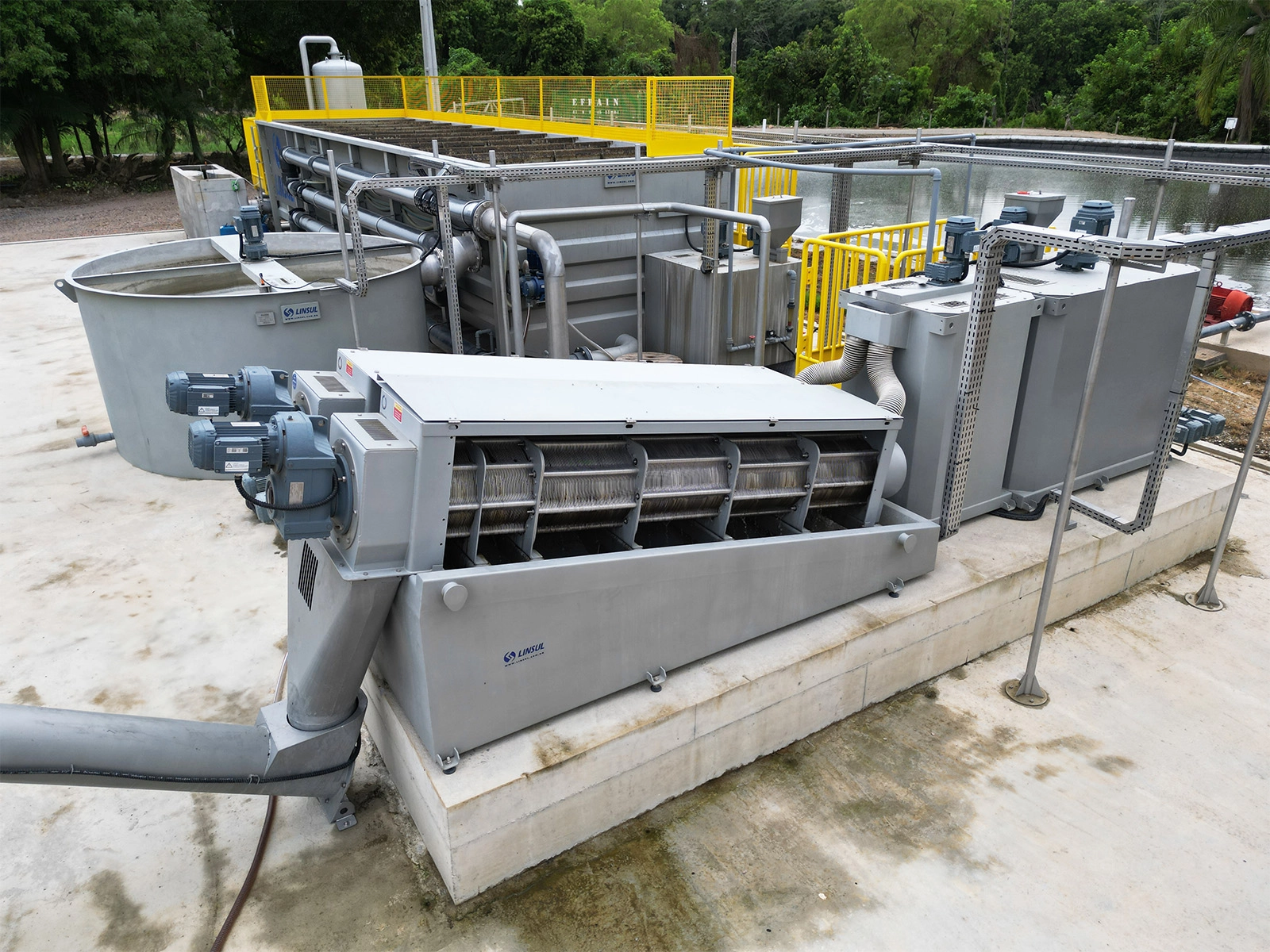
Integrated industrial WWTP projects.
Used in processes that require strength, durability and reliability in industrial environments.
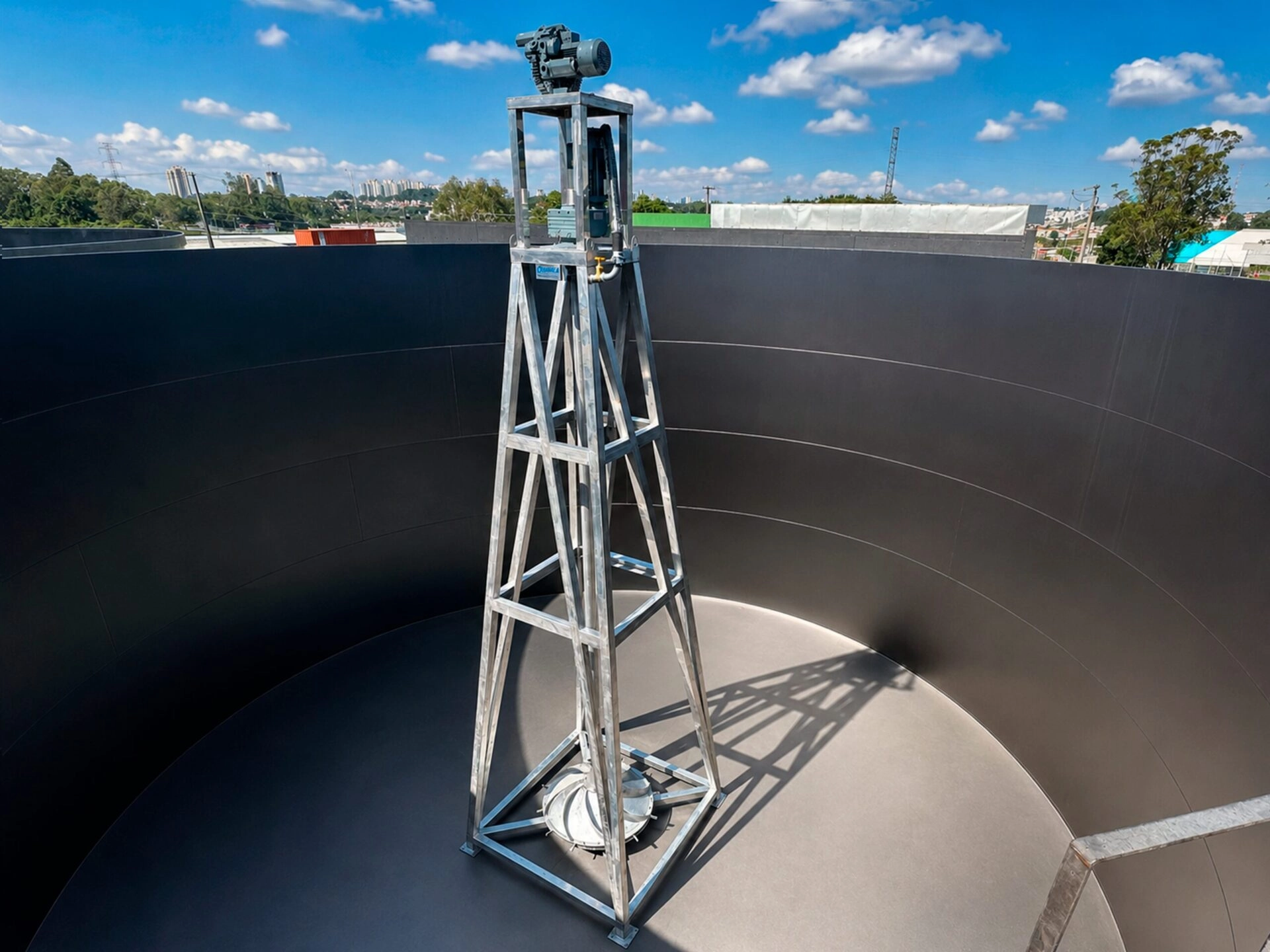
Hyperbolic mixers.
Help homogenize tanks and lagoons, with low rotation speed and operational efficiency.
Properly sized equalization helps protect the system and makes treatment more predictable.
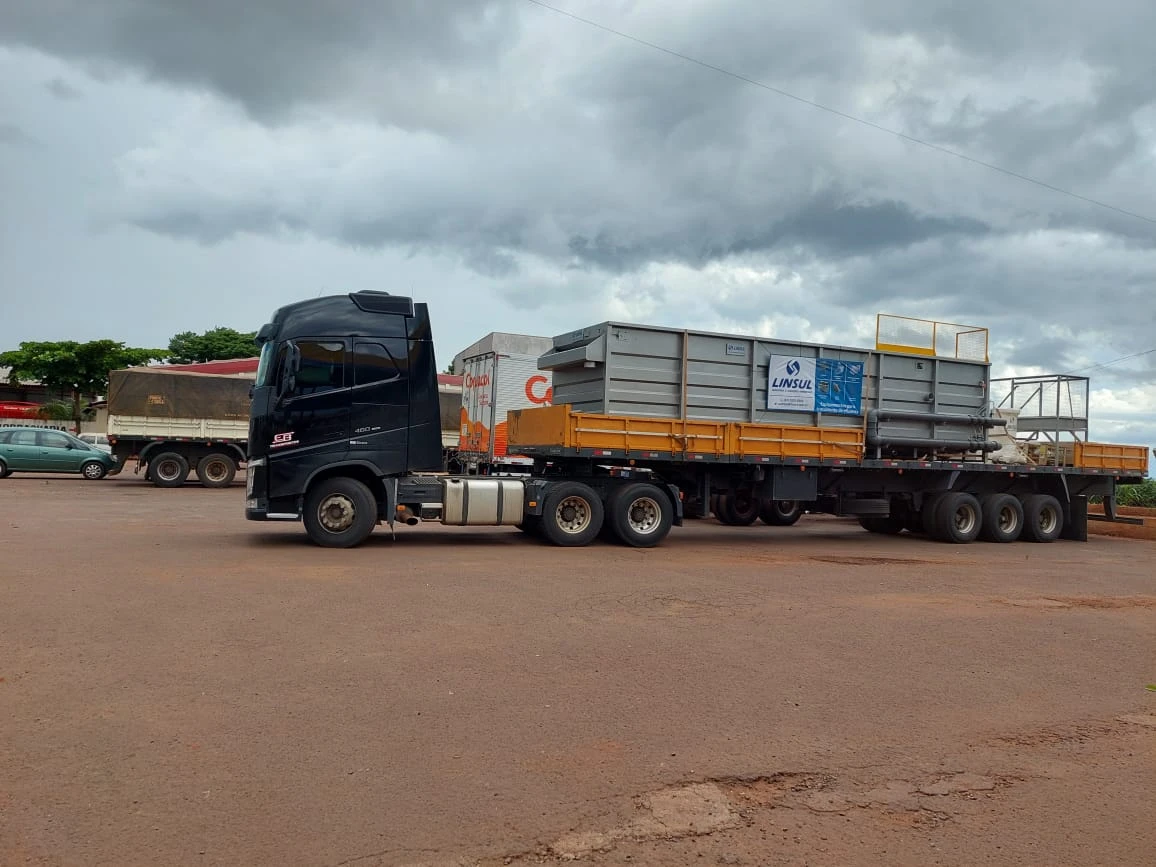
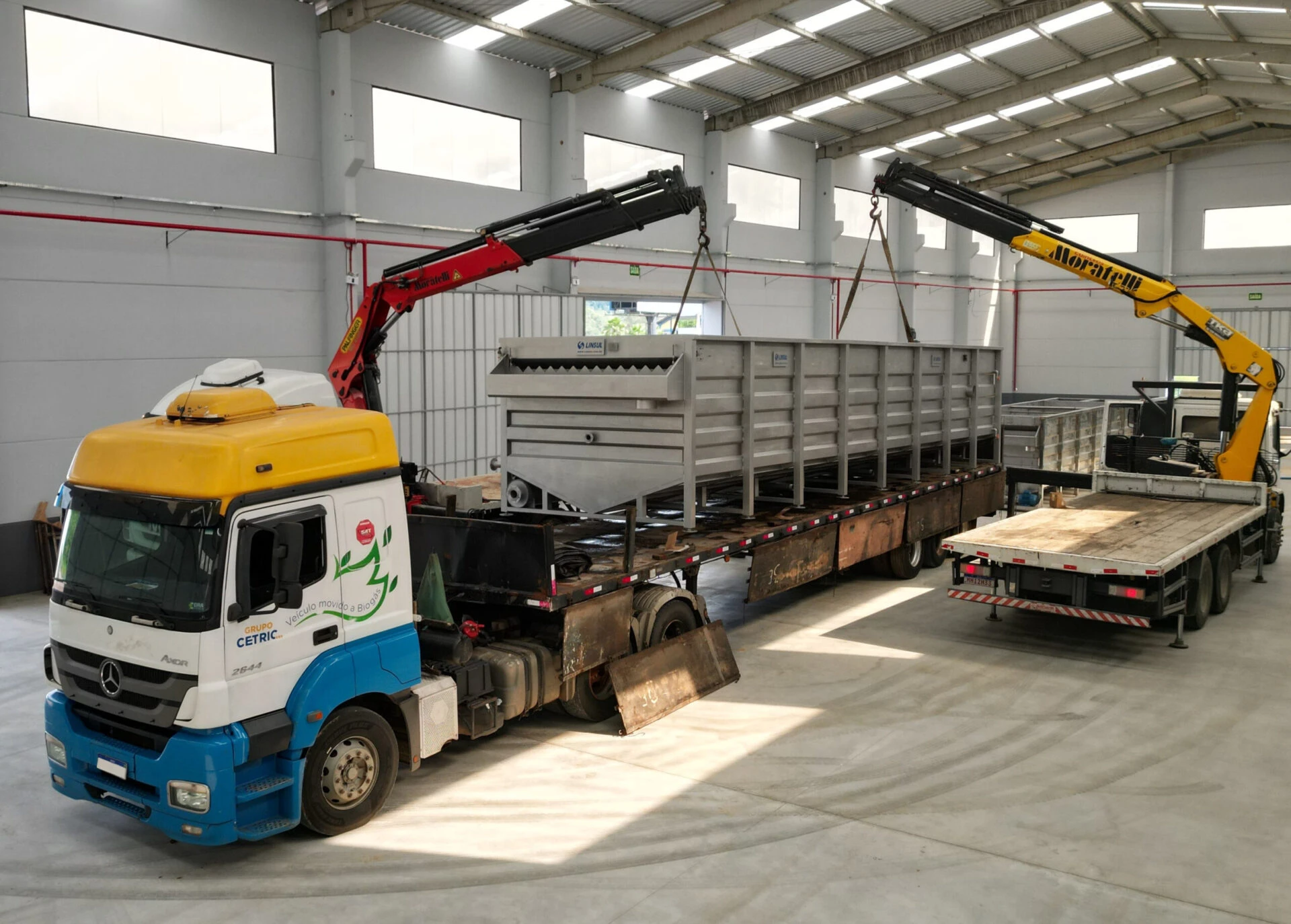
3. When should you consider a flotator?
Using a flotator may be recommended when the operation faces problems such as:
- excess oils and greases;
- high concentration of suspended solids;
- increase in BOD and COD;
- overload in the lagoons;
- low efficiency of the existing treatment;
- excess sludge;
- need to improve performance before the biological treatment.
In many projects, DAF acts as a strategic stage to relieve the load on the plant and increase operational efficiency.
4. Sludge removal and dewatering: the impact on operating costs.
Another critical point in an industrial WWTP is sludge management. When the system generates a large volume of sludge with a high water content, transport, storage and disposal costs can increase significantly.
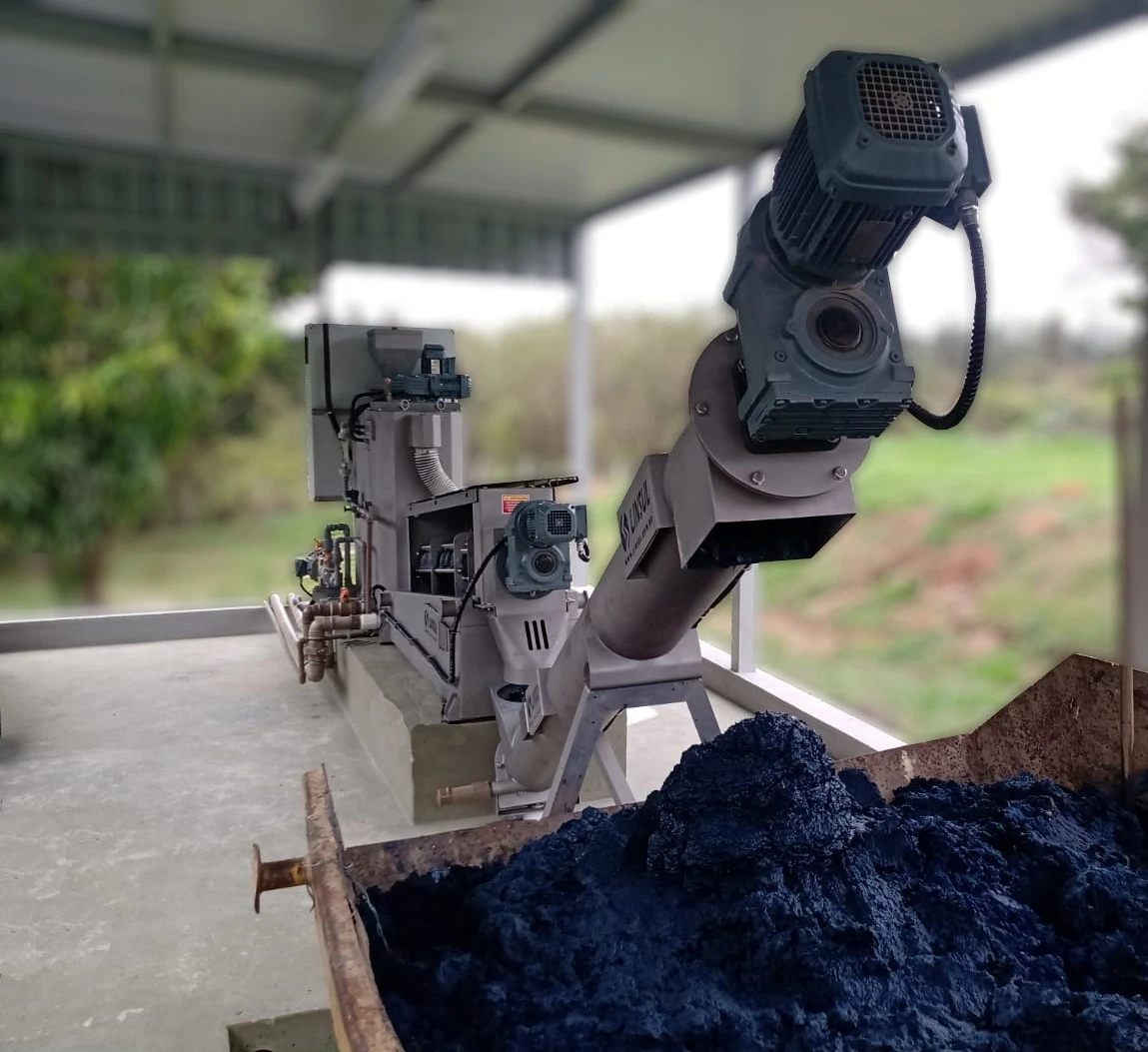
In this scenario, the sludge dewatering press can be an important solution.
Sludge Dewatering Press.
The Linsul Sludge Dewatering Press helps reduce sludge volume by separating part of the water in the material. This contributes to a more efficient operation, with less volume for disposal and better process control.
Learn more
Wastewater treatment does not end with treated water. Sludge must also be considered an essential part of the operation.
5. How do you know if your WWTP needs improvement?
Some signs indicate that the plant may be working above capacity or with bottlenecks in earlier stages:
- the WWTP does not meet the required parameters;
- the lagoons accumulate material or give off odors;
- there is excess grease or solids in the system;
- the biological treatment is unstable;
- chemical consumption has increased;
- sludge generation is high;
- the effluent varies greatly throughout the day;
- the operation depends on constant adjustments;
- the plant was designed for lower production than the current one.
If any of these points is part of your operation's routine, it may be time to technically evaluate the system.
Linsul solutions to reduce WWTP overload.
Linsul develops industrial solutions for water and wastewater treatment, with equipment applied at different stages of the process. Among the solutions that can help reduce the overload of a treatment plant are:
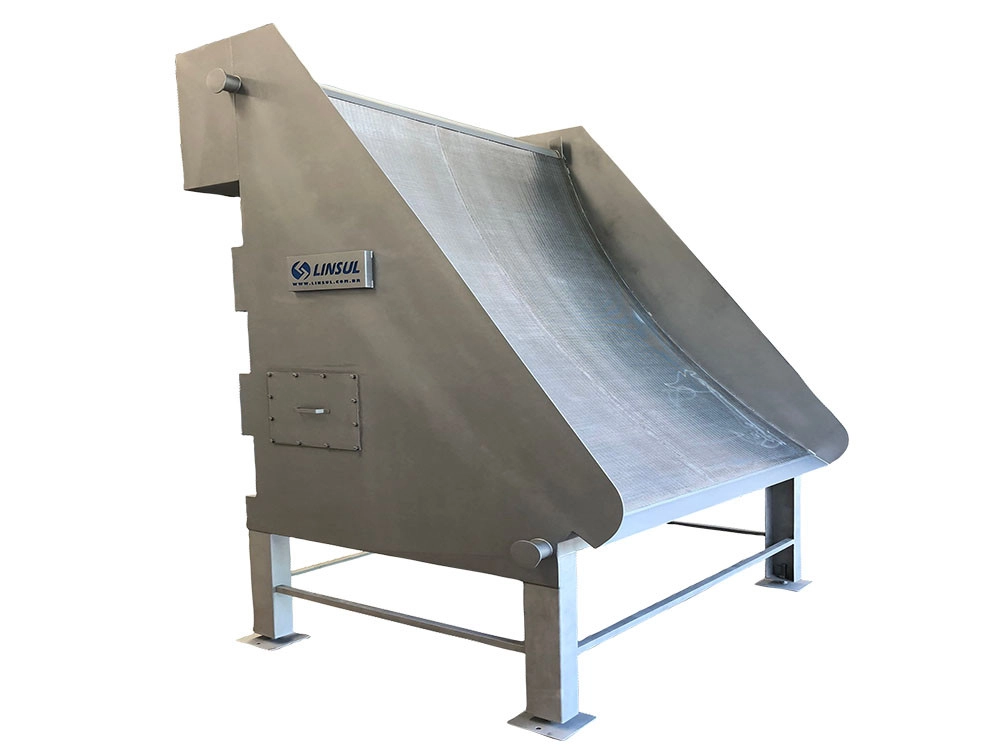
Screens for solids removal
They work in pre-treatment, protecting later stages.
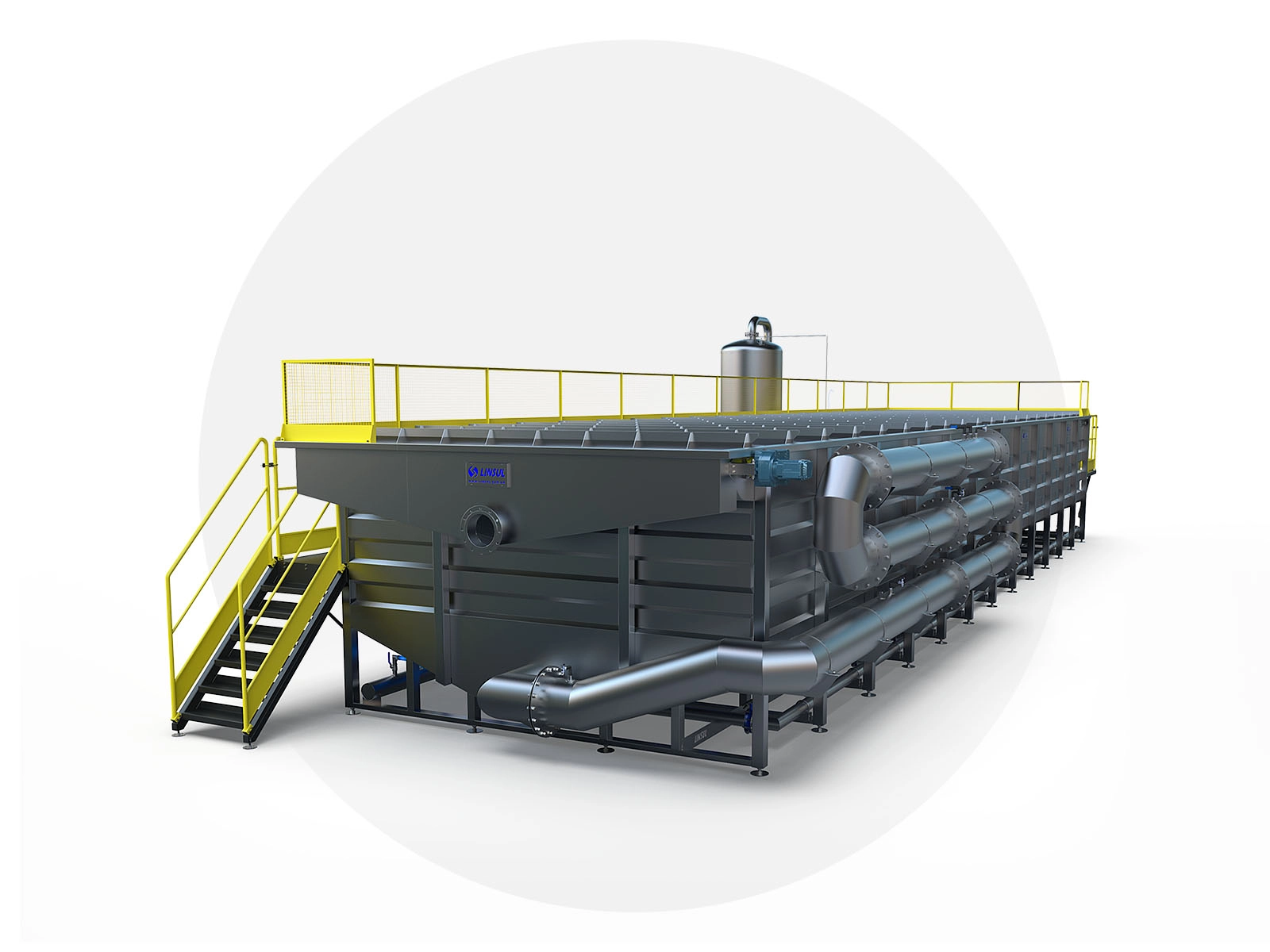
Dissolved Air Flotator — DAF
Helps remove fine solids, oils, greases and part of the organic load.
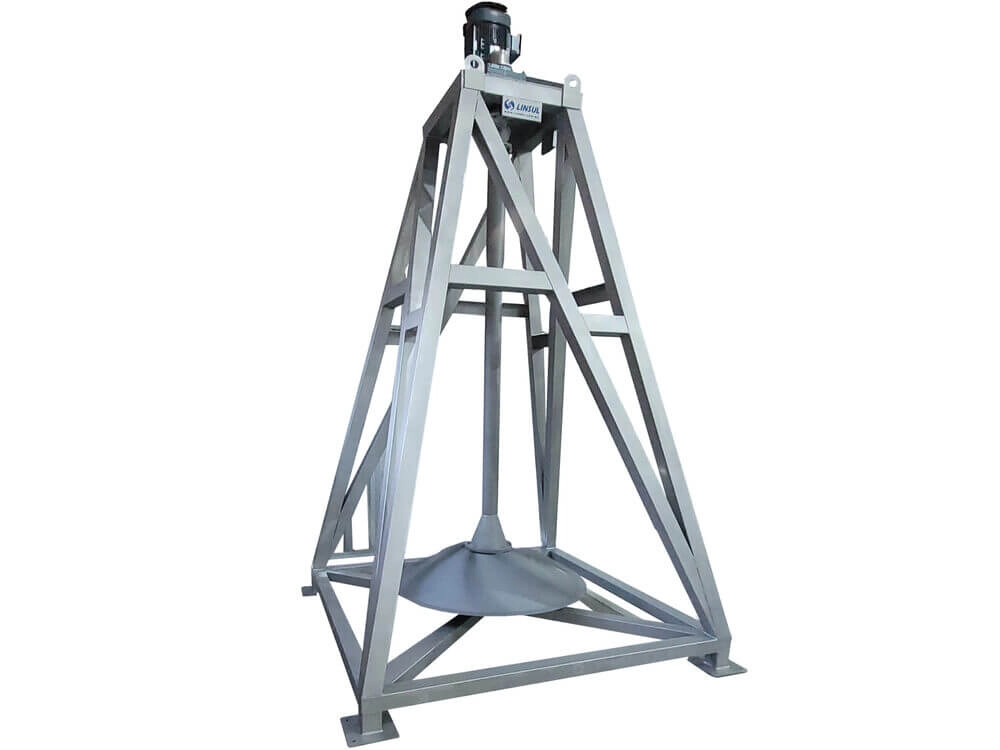
Hyperbolic Mixer
Contributes to homogenization in tanks and lagoons, with low rotation and operational efficiency.
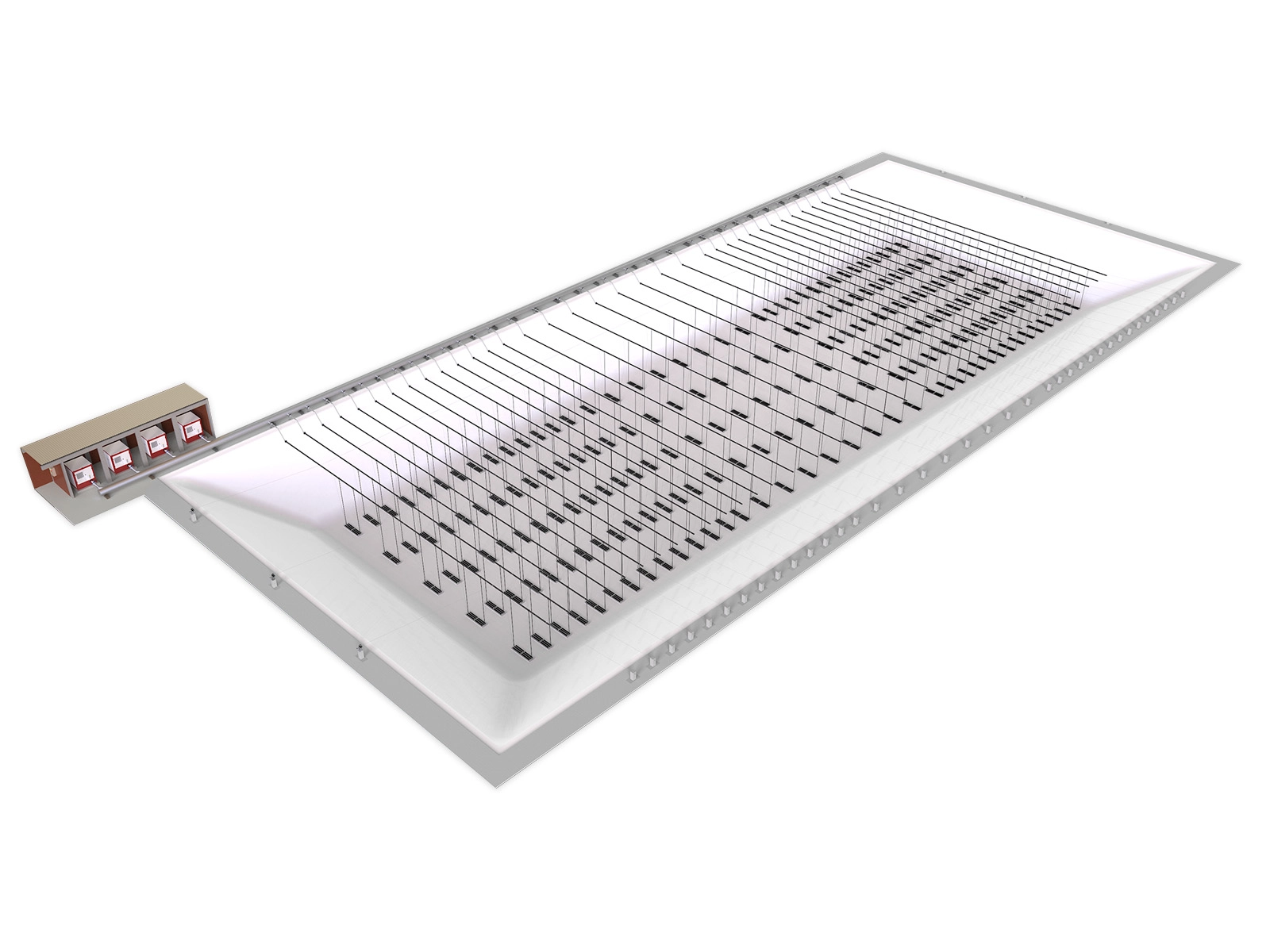
Aeration systems
Development of complete solutions and systems adapted to the specific needs and reality of each client.
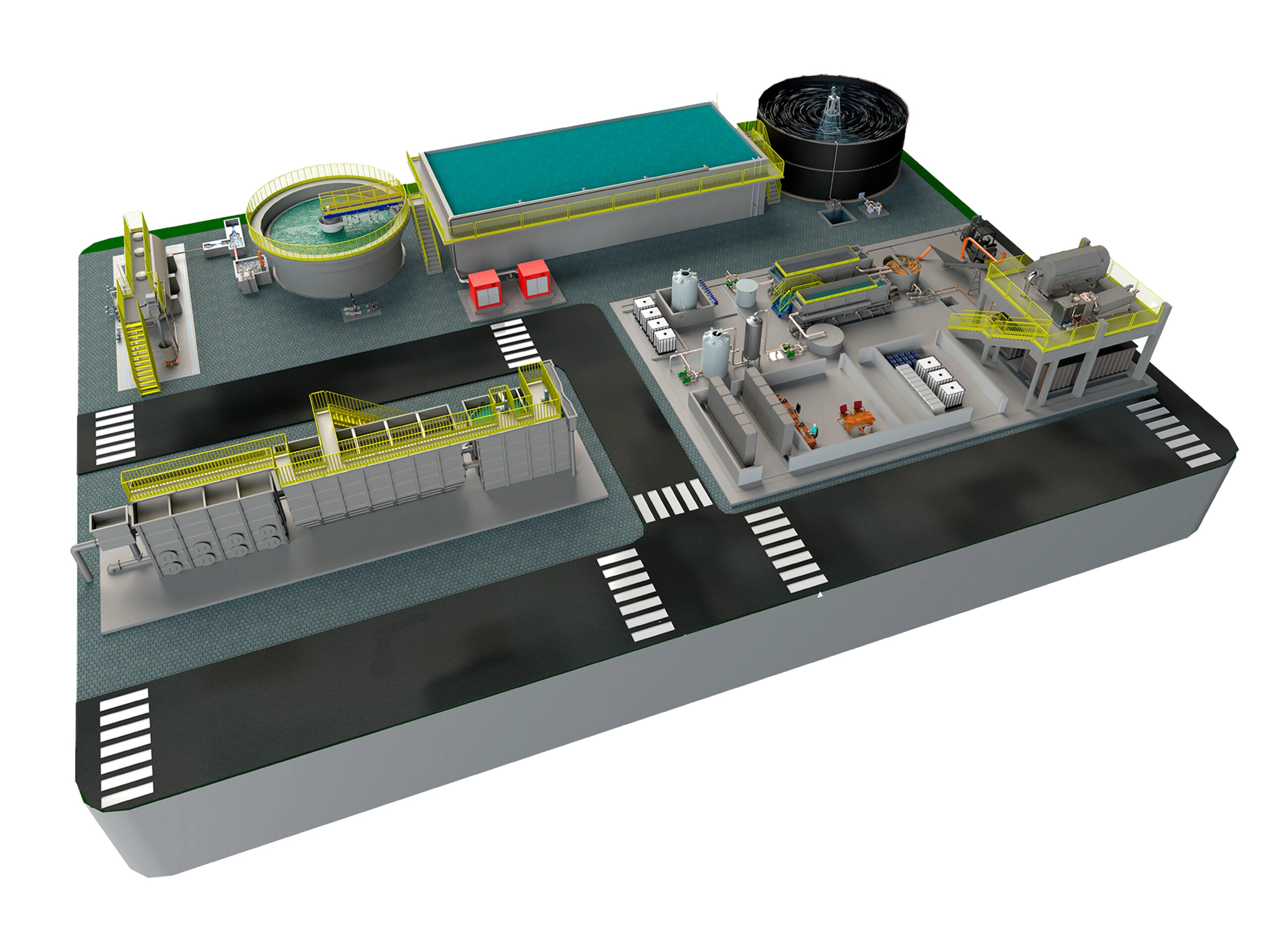
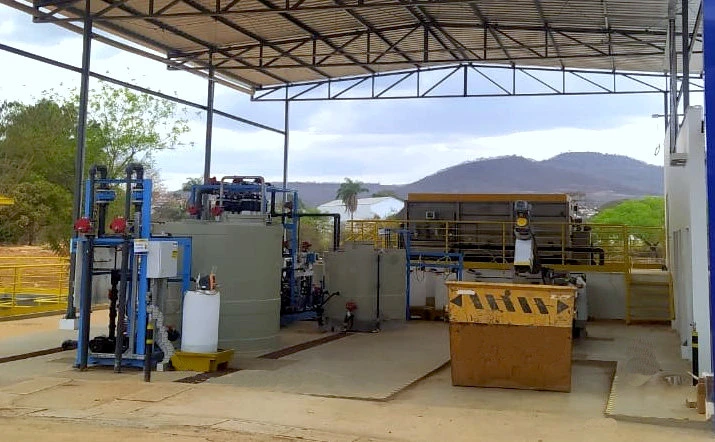
Complete industrial WWTP
Designed according to the operation's needs, flow rate and effluent characteristics.
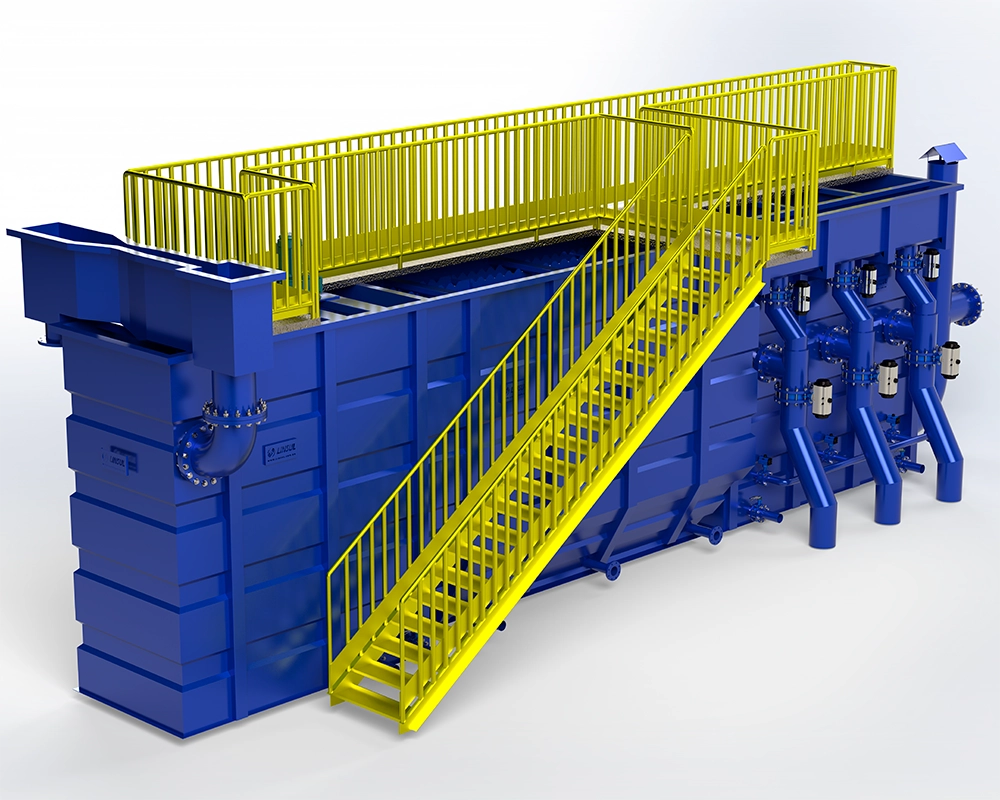
Industrial WTP
Applied when the demand involves treating water for use in the production process.
Conclusion: before expanding the WWTP, understand where the bottleneck is
When a treatment plant shows poor performance, the solution is not always to expand the entire structure. Often, the best path is to identify the overload point and fix the right bottleneck.
Pre-treatment, equalization, flotation, solids removal, aeration and sludge dewatering are stages that can transform the efficiency of an industrial WWTP.
With in-house engineering, technical manufacturing and experience in environmental solutions, Linsul develops equipment for operations that need efficiency, reliability and high performance in water and wastewater treatment.
Is your WWTP overloaded?
Talk to Linsul's technical team and evaluate the most suitable solution for your operation.
Trends, news and
knowledge
Trends, news and knowledge
 News
Linsul 10 Years | Evolution that Transforms
LINSUL celebrated a decade of history alongside those who helped make this journey a reality: employ...
 31 Aug 2026
 2 min read
 News
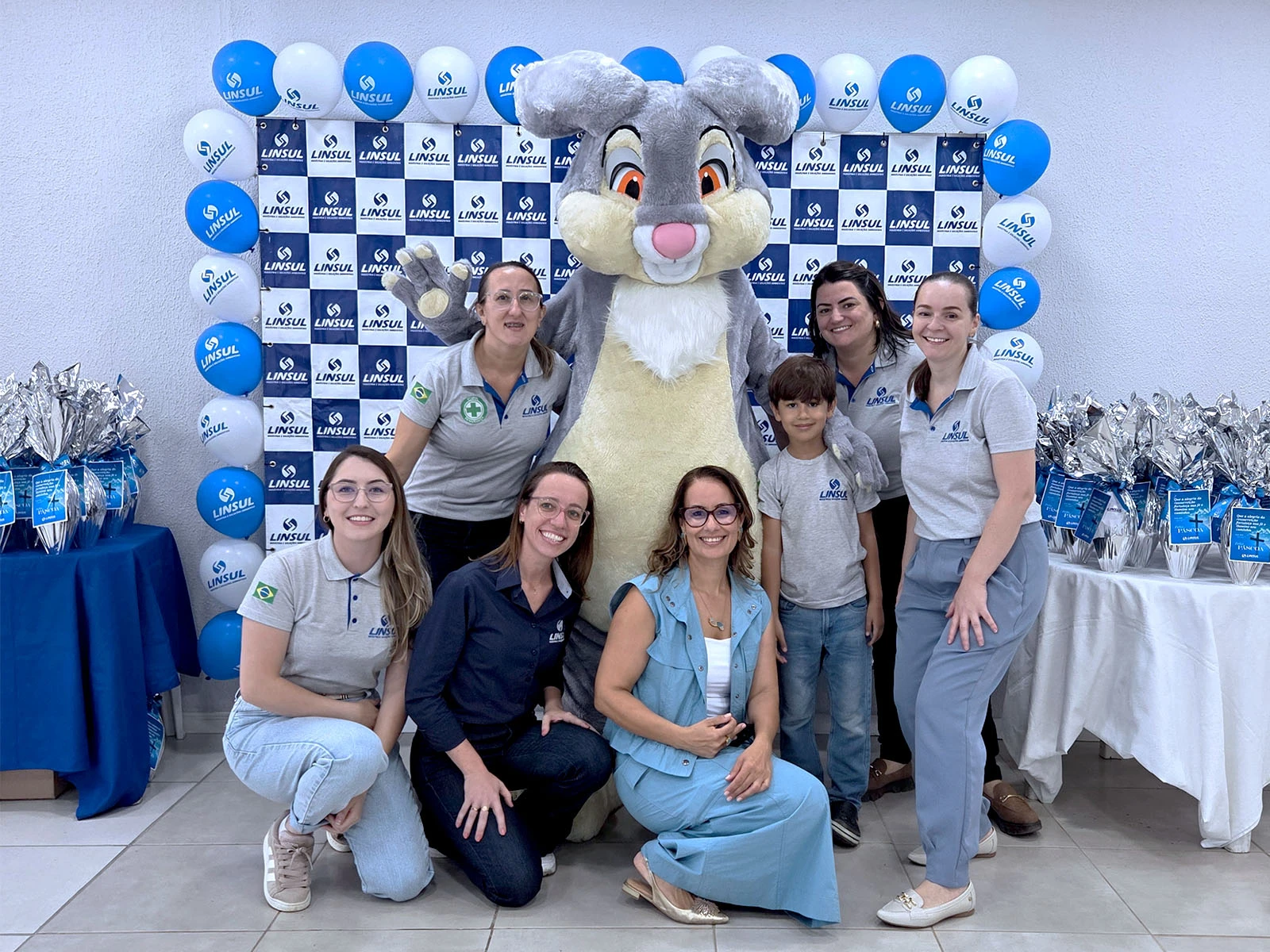
Renewal and Purpose: A Moment of Reflection on Our Journey
Easter is a time of renewal. At Linsul, we celebrated the date and the March birthdays with a specia...
07 Apr 2026
2 min read
 News
Become a wastewater treatment specialist
It's time to take the next step in your career!
26 Feb 2026
2 min read
 News
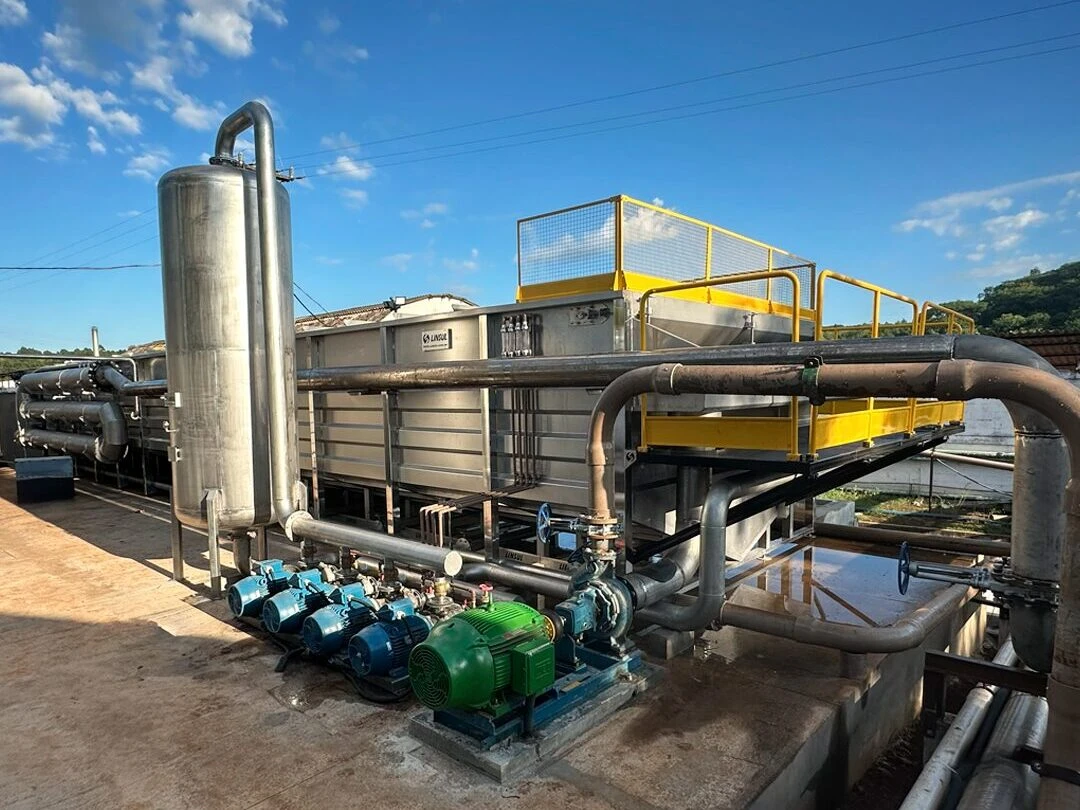
Success Story: Startup of a 600 m³/h Dissolved Air Flotator in the Pulp and Paper Industry
See the details of the startup of the 600 m³/h dissolved air flotator at a pulp and paper plant. Hig...
19 Feb 2026
2 min read
Commitment to Efficiency and Sustainability
We are committed to building solid, long-lasting partnerships with our clients, contributing to a more sustainable and efficient future.
Contact us