


Phosphorus Removal from Wastewater Using Dissolved Air Flotation (DAF).
The presence of phosphorus in industrial and sanitary wastewater is one of the main factors responsible for the eutrophication of water bodies, a phenomenon that causes excessive algae growth and comp…
The presence of phosphorus in industrial and sanitary wastewater is one of the main factors responsible for the eutrophication of water bodies, a phenomenon that causes excessive algae growth and compromises water quality, especially in lentic environments (lakes, reservoirs).
This can affect aquatic fauna and make it harder to treat water for human consumption, since the death of algae can release substances that give the water taste and odor. Controlling the phosphorus concentration in wastewater is therefore important for the preservation of water resources.
There are different technologies for removing phosphorus from wastewater, generally classified into physicochemical and biological processes. Biological methods include microbial assimilation and advanced biological processes alternating between aerobic and anaerobic environments.
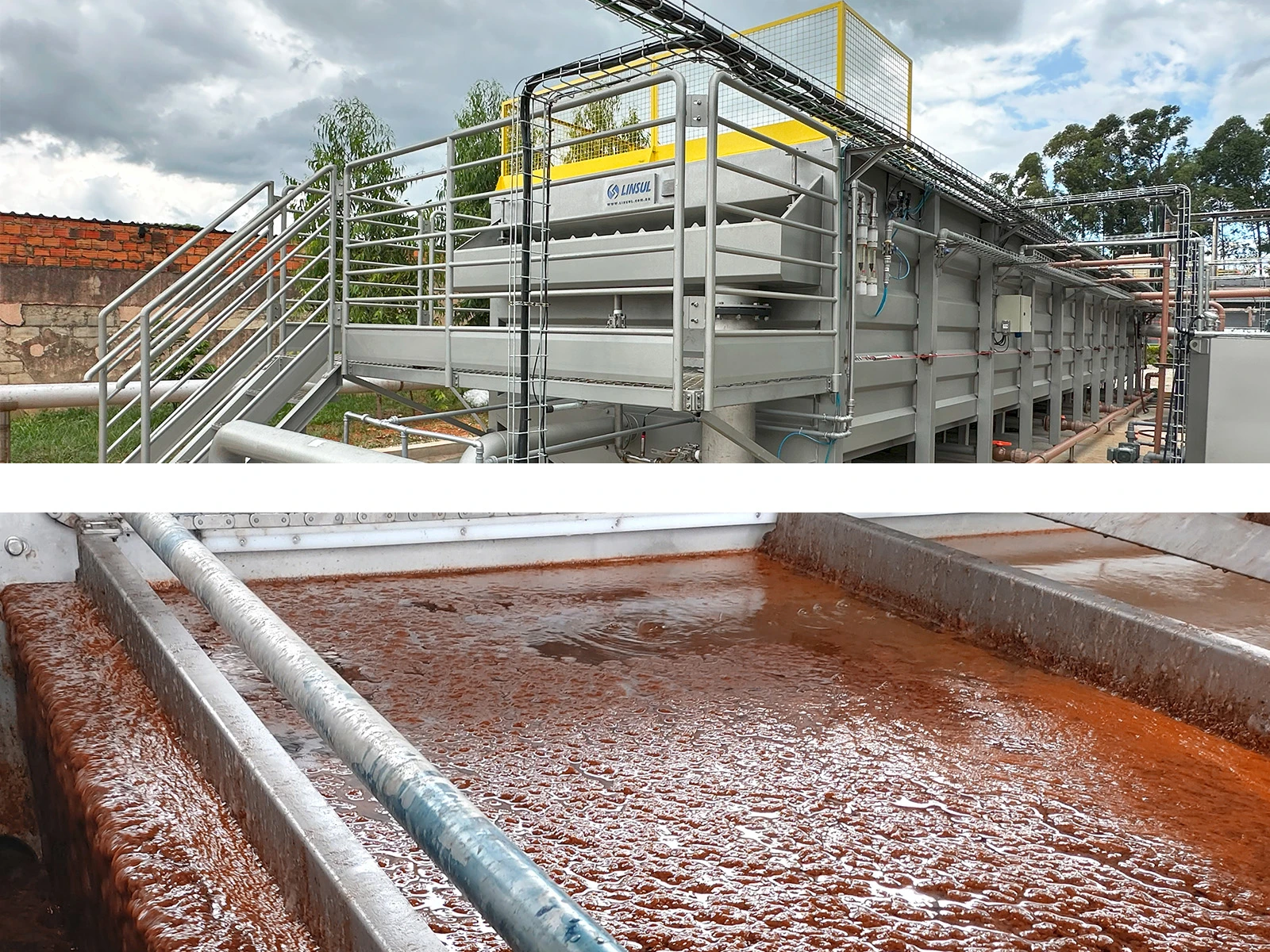
Physicochemical techniques involve chemical precipitation through the addition of coagulants, such as iron or aluminum salts, and possibly polymers, followed by separation processes such as settling or flotation. Among the separation methods, dissolved air flotation, or DAF, stands out and has proven efficient for removing phosphorus from wastewater.
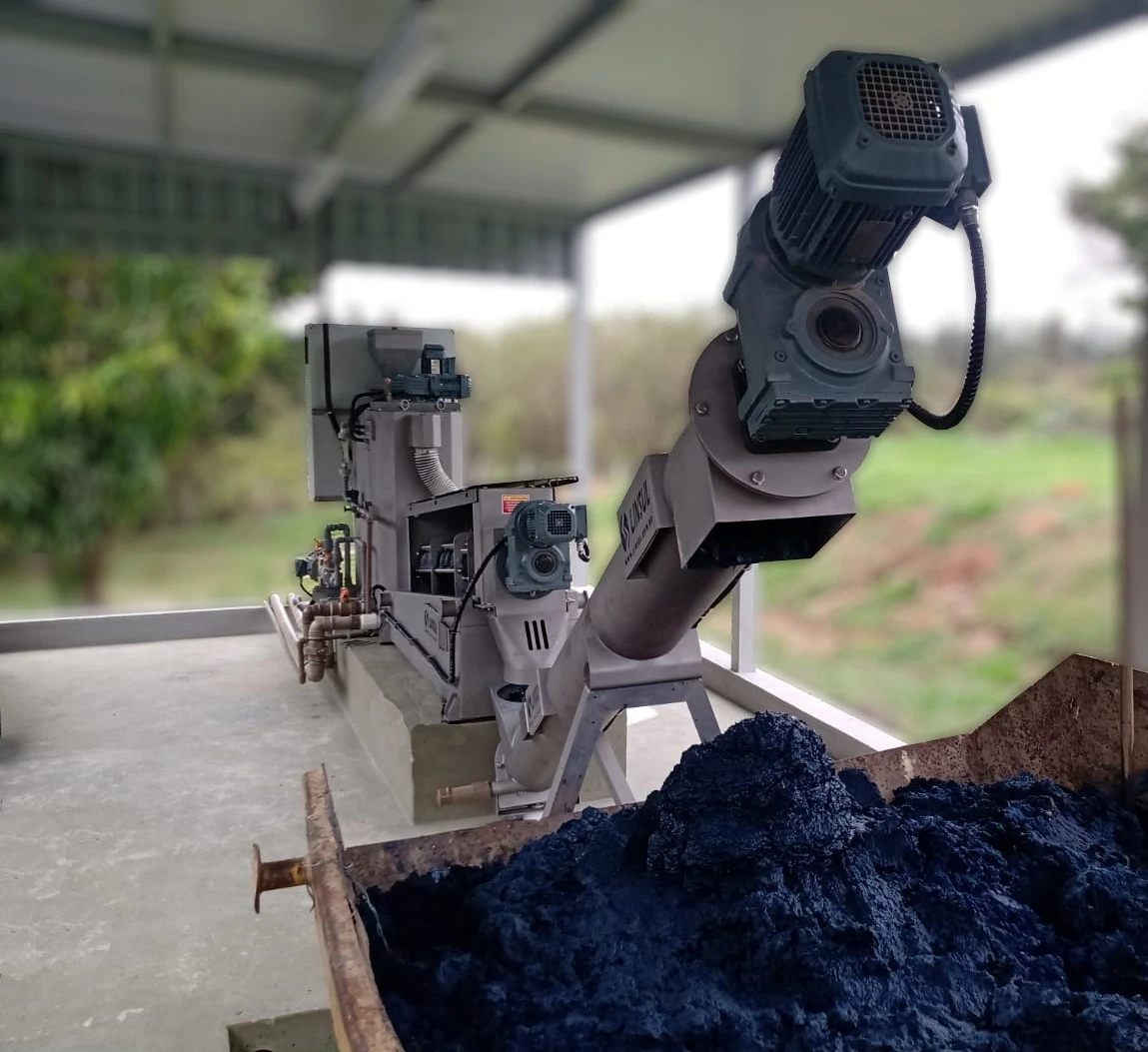
Dissolved air flotation is a process in which air microbubbles are injected into the wastewater to help separate solid particles from the water. For phosphorus removal, a preliminary coagulation and flocculation step is usually carried out to form phosphorus-containing precipitates. These precipitates are then removed by flotation, in which the microbubbles attach to the particles, reducing their density and making them float to the surface of the tank, where they are removed by scraping.
Some of the main advantages of DAF are high phosphorus removal efficiency in a smaller area, compared to conventional clarifiers, and greater control of the separation process. Variables such as pH, chemical dosing (coagulants and polymers), velocity gradients, retention time and the size and distribution of the microbubbles need to be adjusted to ensure maximum process efficiency.
DAF can be used both in the tertiary treatment stage of the WWTP, mainly to remove phosphorus, and in the primary treatment stage, where the goal is to remove phosphorus as well as other contaminants from the wastewater, such as suspended solids, oils and fats, when present.
In addition, flotation can be easily integrated into existing water treatment systems, making it an attractive option for many industrial and water treatment facilities.
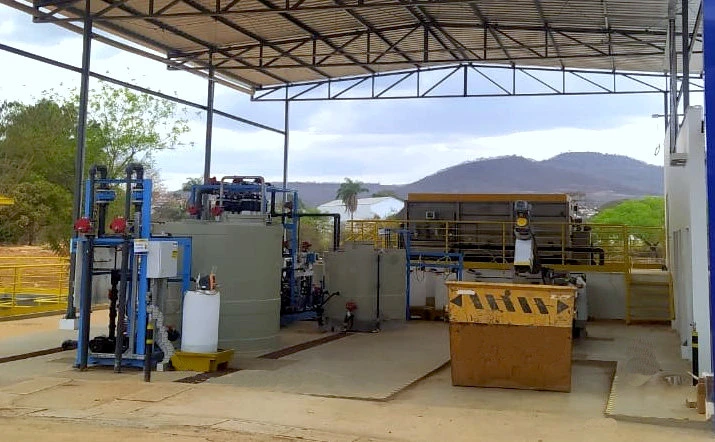
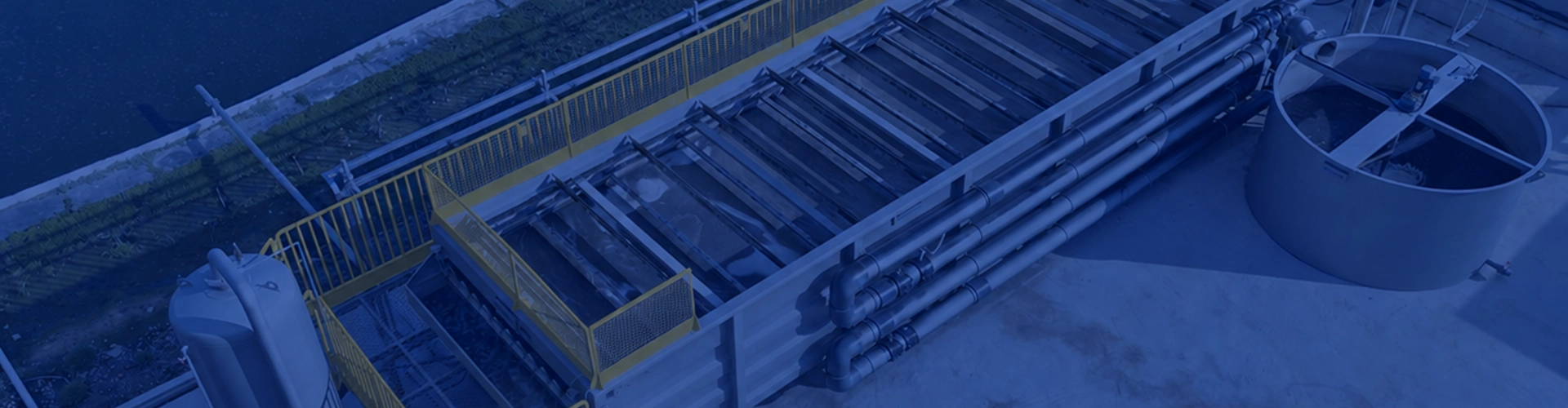
Linsul Indústria e Soluções Ambientais develops and manufactures equipment and complete systems for water and wastewater treatment. The company supplies an integrated, compact and innovative dissolved air flotation (DAF) system, including a mechanical flocculator, a pH correction system and a microbubble generation system with a turbine-type multistage pump.
Trends, news and
knowledge
Trends, news and knowledge
 News
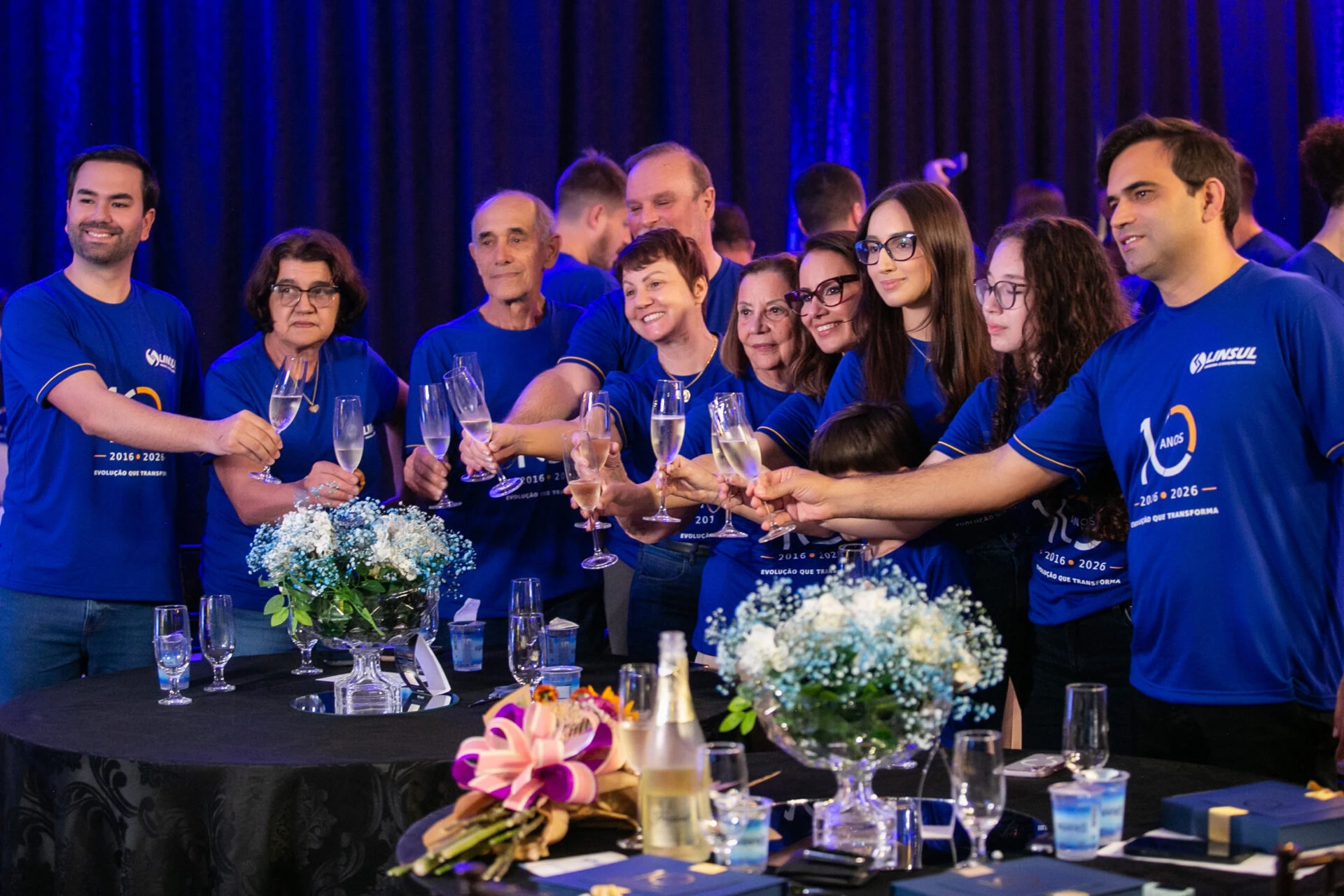
Linsul 10 Years | Evolution that Transforms
LINSUL celebrated a decade of history alongside those who helped make this journey a reality: employ...
 31 Aug 2026
 2 min read
 News
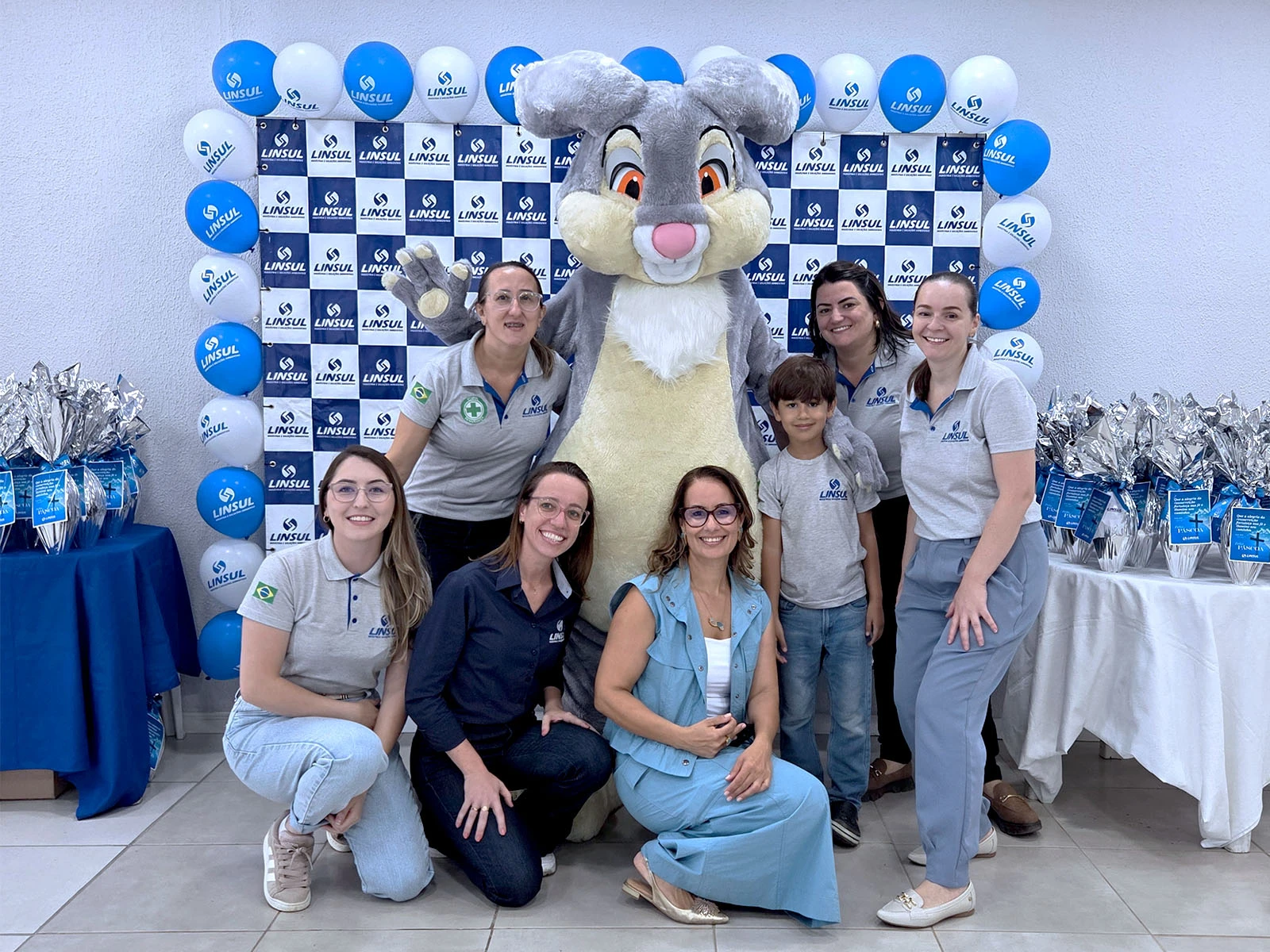
Renewal and Purpose: A Moment of Reflection on Our Journey
Easter is a time of renewal. At Linsul, we celebrated the date and the March birthdays with a specia...
07 Apr 2026
2 min read
 News
Become a wastewater treatment specialist
It's time to take the next step in your career!
26 Feb 2026
2 min read
 News
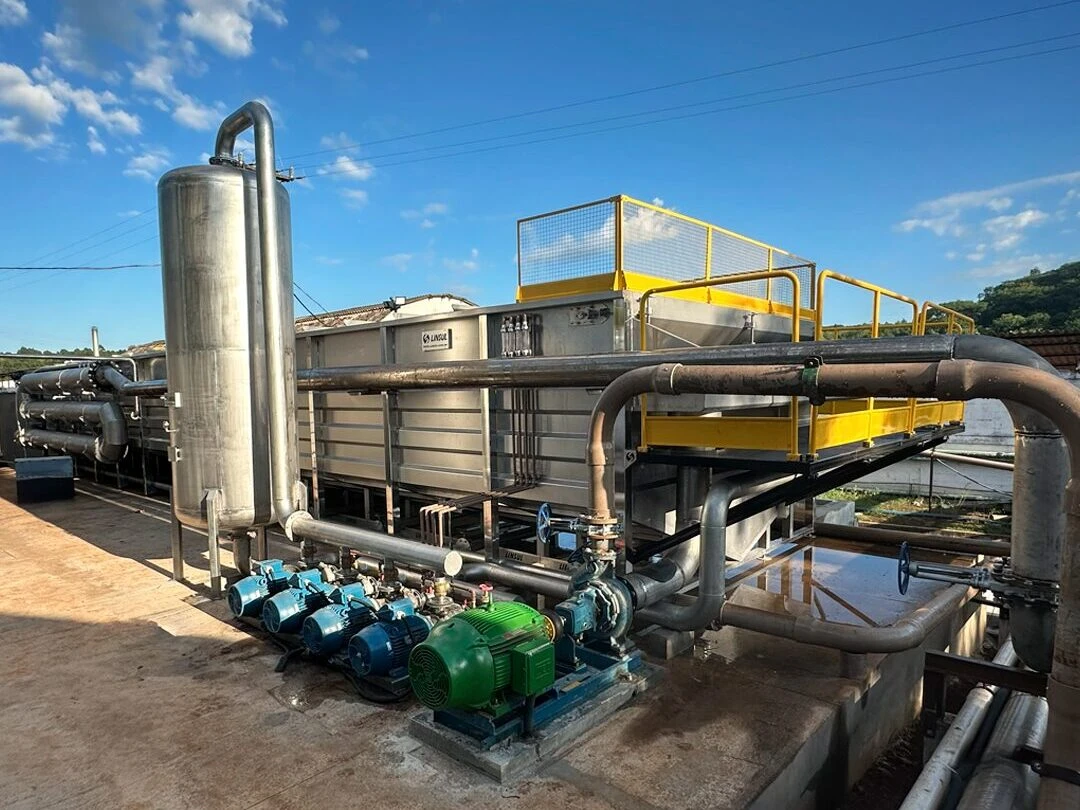
Success Story: Startup of a 600 m³/h Dissolved Air Flotator in the Pulp and Paper Industry
See the details of the startup of the 600 m³/h dissolved air flotator at a pulp and paper plant. Hig...
19 Feb 2026
2 min read
Commitment to Efficiency and Sustainability
We are committed to building solid, long-lasting partnerships with our clients, contributing to a more sustainable and efficient future.
Contact us