


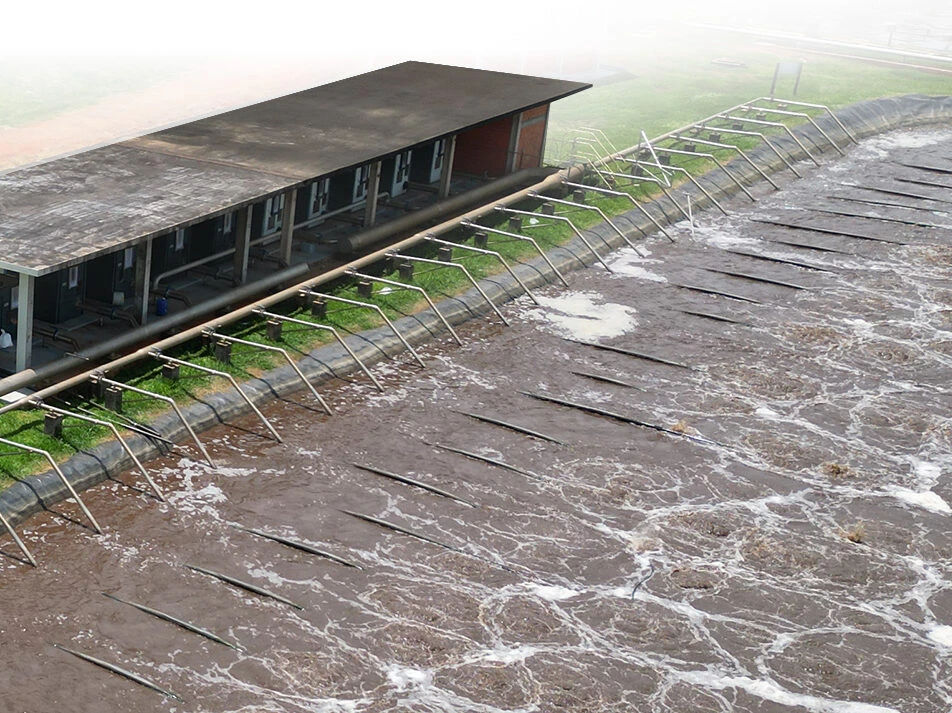
The role of aeration in the biological processes of WWTPs.
Wastewater with a high concentration of organic matter, such as sanitary sewage or wastewater from the food, pulp and paper, and sugar and ethanol industries, must undergo biological treatment…
Wastewater with a high concentration of organic matter, such as sanitary sewage or wastewater from the food, pulp and paper, and sugar and ethanol industries, must undergo biological treatment, in which microorganisms degrade the organic matter, before being discharged into receiving bodies. There are different biological processes used in WWTPs for this purpose, but they are basically divided into aerobic processes (which use oxygen) and anaerobic processes (without oxygen).
In some aerobic processes, oxygen can be supplied naturally, but the most widespread processes used in large WWTPs are those that use artificial aeration through equipment, such as the activated sludge process and aerated lagoons. The main role of aeration is to supply oxygen to the microorganisms responsible for degrading organic matter and removing nitrogen compounds, ensuring the aerobic environment required for effective treatment.
In activated sludge treatment systems, for example, aeration oxygenates the biomass (microorganisms) and keeps it in suspension, allowing aerobic bacteria to oxidize the carbonaceous organic matter in the wastewater, measured as BOD (Biochemical Oxygen Demand). In addition, aeration sustains nitrification, a process in which bacteria convert ammonia nitrogen (NH₄⁺) into nitrate (NO₃⁻), an essential step for controlling effluent toxicity and for the environmental quality of the receiving water bodies.
Artificial aeration can be carried out in two ways: mechanical aeration and diffused air. Mechanical aeration systems use surface or vertical-shaft aerators, for example, which agitate the wastewater and promote oxygen transfer across the air-water interface. These systems are generally simpler and easier to maintain, and are recommended for smaller WWTPs.
On the other hand, the diffused air system uses blowers that inject air into diffusers located at the bottom of the tanks, releasing fine bubbles that significantly increase oxygen transfer efficiency. This technology allows better operational control and greater energy efficiency, and favors use in larger systems.
Compared to anaerobic processes, aeration offers significant advantages in the removal of organic matter and ammonia nitrogen, especially when effluents with stricter quality standards are sought. While anaerobic reactors, such as the UASB, are efficient at removing part of the organic load and have lower energy consumption (since they do not require oxygen), they do not allow nitrification and leave soluble fractions of organic matter and ammonia in the effluent, requiring complementary treatment. One of the main advantages of anaerobic treatment is the conversion of part of the organic matter into biogas, which can be used to generate energy, whereas in aerobic processes the organic matter is converted practically into carbon dioxide and water.
Another advantage of aerobic processes is that they can be integrated with specific zones for advanced removal. Introducing anoxic zones (without oxygen, but with nitrate) into activated sludge systems allows denitrification, that is, the conversion of nitrate into nitrogen gas (N₂), closing the nitrogen cycle and reducing the potential for eutrophication. Including anaerobic zones, in turn, aims to stimulate the activity of phosphorus-accumulating microorganisms, which store the element under aerobic conditions after uptake in an anaerobic environment, promoting biological phosphorus removal. These configurations are increasingly being adopted in modern treatment plants to meet more demanding environmental standards.
As an alternative to the conventional nitrogen removal process, that is, nitrification in an aerated environment followed by denitrification in an anoxic environment, simultaneous nitrification and denitrification (SND) technology has been attracting more and more attention among professionals in the field, especially when applied in aerated lagoon systems. It is a solution that integrates the two biological steps in a single reactor, without phase separation or the need for a defined anoxic zone.
Finally, aeration is a vital component of aerobic biological treatment, with direct impacts on the efficiency of removing organic matter and nitrogen compounds, as well as being an enabler for biological nutrient removal strategies. The choice of aeration methods and their combination with anoxic and anaerobic zones must take into account the treatment goals, the characteristics of the wastewater and the available infrastructure.
Linsul Indústria e Soluções Ambientais has been in the market for more than 8 years, committed to developing and manufacturing equipment and complete water and wastewater treatment systems that combine the best technology with a process that values sustainability and close, personalized service, delivering optimization, efficiency and durability.
Get in touch and learn more!
Trends, news and
knowledge
Trends, news and knowledge
 News
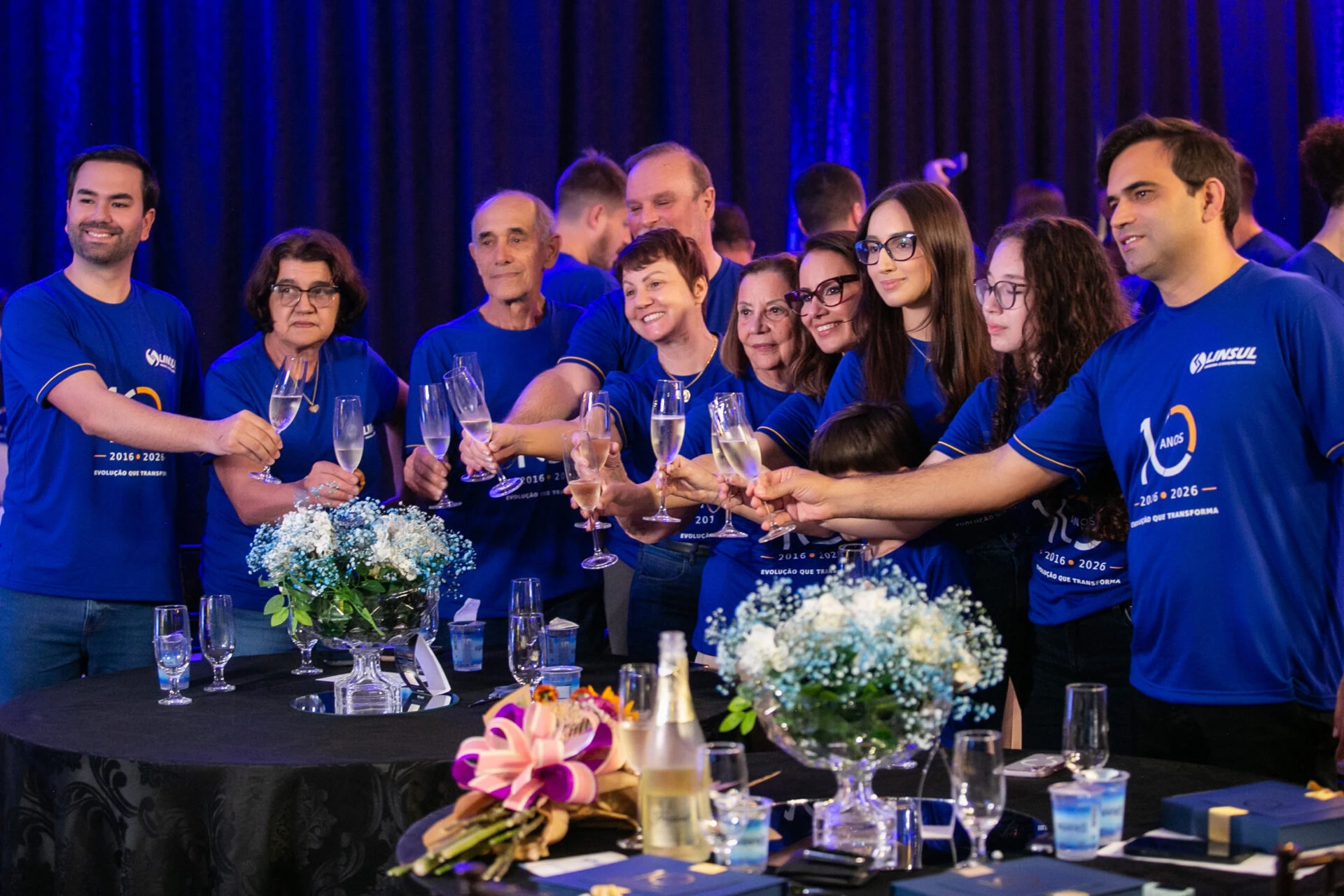
Linsul 10 Years | Evolution that Transforms
LINSUL celebrated a decade of history alongside those who helped make this journey a reality: employ...
 31 Aug 2026
 2 min read
 News
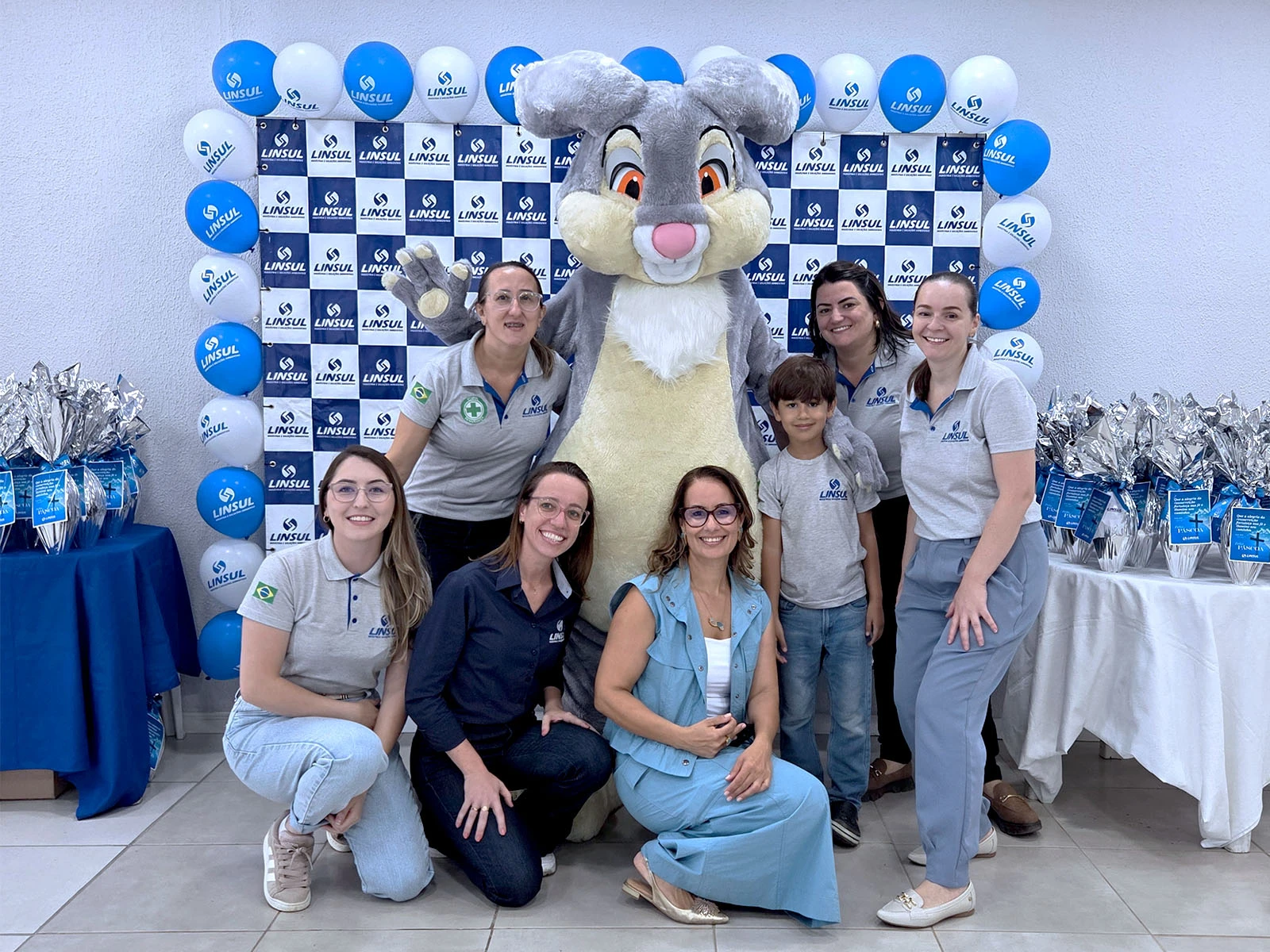
Renewal and Purpose: A Moment of Reflection on Our Journey
Easter is a time of renewal. At Linsul, we celebrated the date and the March birthdays with a specia...
07 Apr 2026
2 min read
 News
Become a wastewater treatment specialist
It's time to take the next step in your career!
26 Feb 2026
2 min read
 News
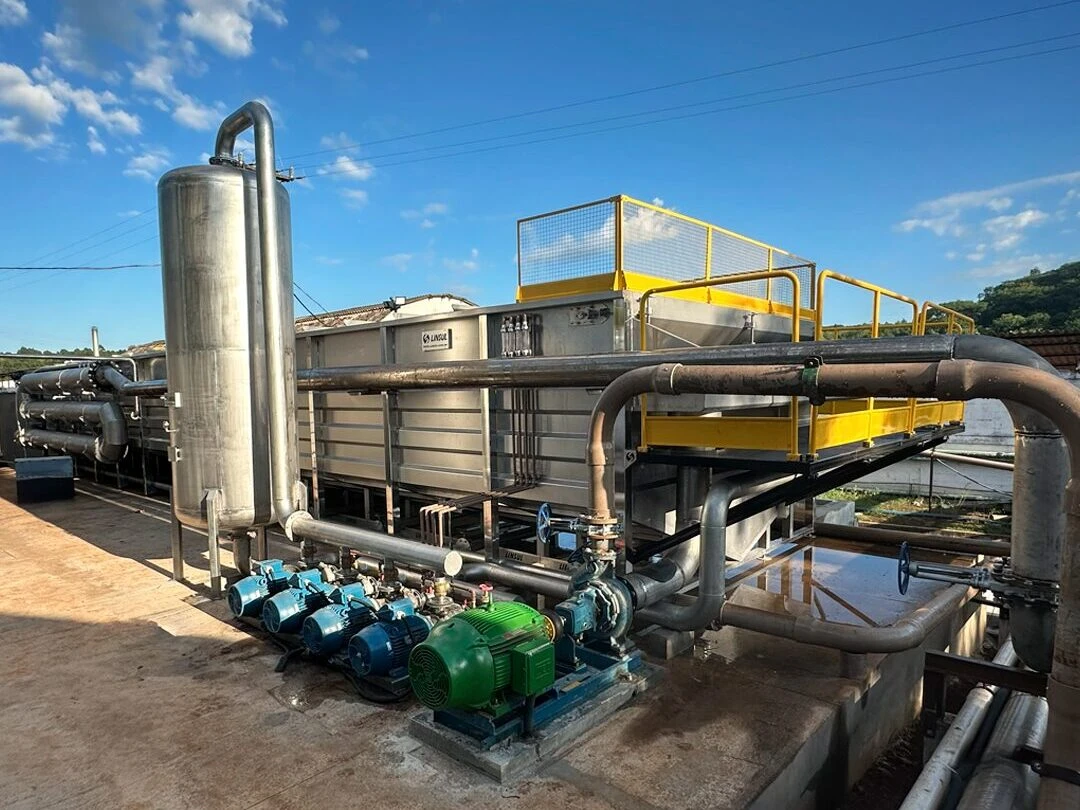
Success Story: Startup of a 600 m³/h Dissolved Air Flotator in the Pulp and Paper Industry
See the details of the startup of the 600 m³/h dissolved air flotator at a pulp and paper plant. Hig...
19 Feb 2026
2 min read
Commitment to Efficiency and Sustainability
We are committed to building solid, long-lasting partnerships with our clients, contributing to a more sustainable and efficient future.
Contact us