WWTP

Your WWTP's energy bill may be here.

Electricity consumption is one of the permanent costs of operating a Wastewater Treatment Plant. Pumps, blowers, mixers, aeration systems and other equipment can run…

Home Applications Your WWTP's energy bill may be here
A plant can meet treatment parameters and still offer important opportunities for energy optimization.

Electricity consumption is one of the permanent costs of operating a Wastewater Treatment Plant. Pumps, blowers, mixers, aeration systems and other equipment can run for many hours a day and, when the process is not properly sized or adjusted, this consumption can become higher than necessary.

For this reason, when the goal is to improve the efficiency of a WWTP, it is not enough to assess only whether the wastewater is being treated properly.

It is also important to ask another question:

How much does it cost to treat?

A plant can meet treatment parameters and still offer important opportunities for energy optimization.

1. Where is the energy consumed in a WWTP?

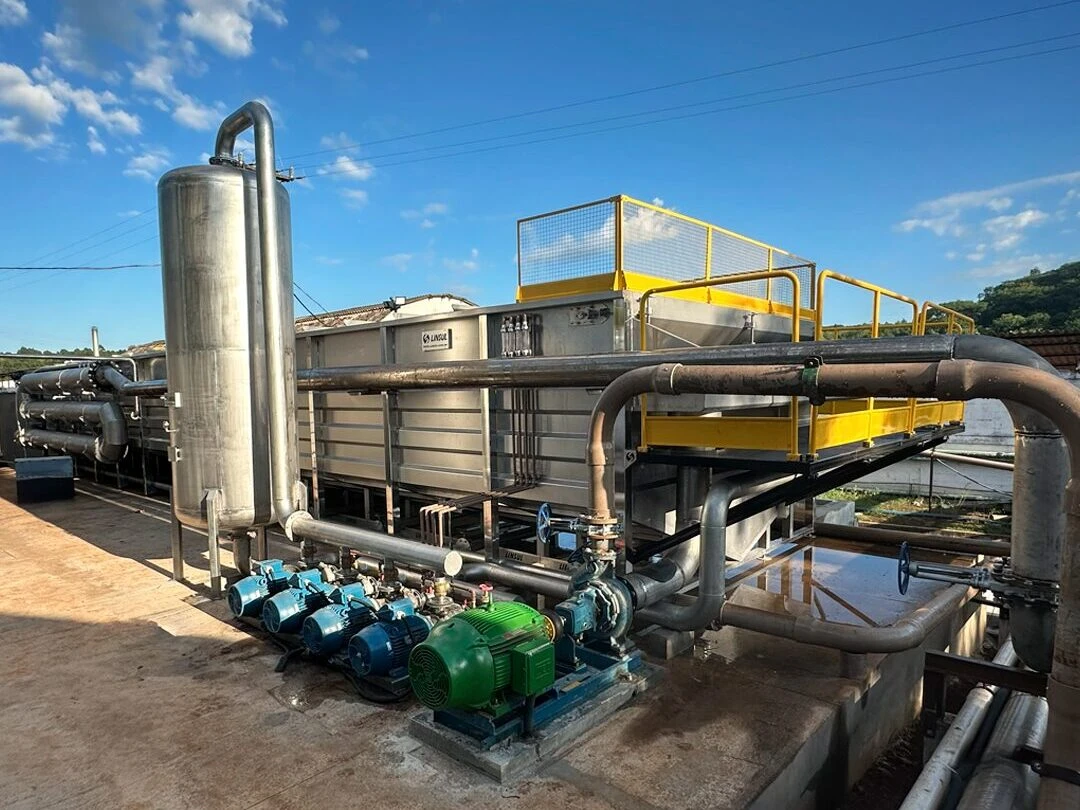
Consumption depends on the characteristics of each plant, the type of treatment used, the flow rate, the wastewater load and the amount of equipment installed.

The systems that normally demand energy include:

  • aeration systems;

  • blowers;

  • lift and recirculation pumps;

  • mixers;

  • physicochemical treatment equipment;

  • sludge dewatering systems;

  • automation and auxiliary equipment.

On its own, each piece of equipment may seem to represent only part of the operation. However, when they run continuously or outside an adequate operating condition, the accumulated impact can become significant.

That is why energy efficiency analysis must consider the plant as a complete system, not just individual pieces of equipment.
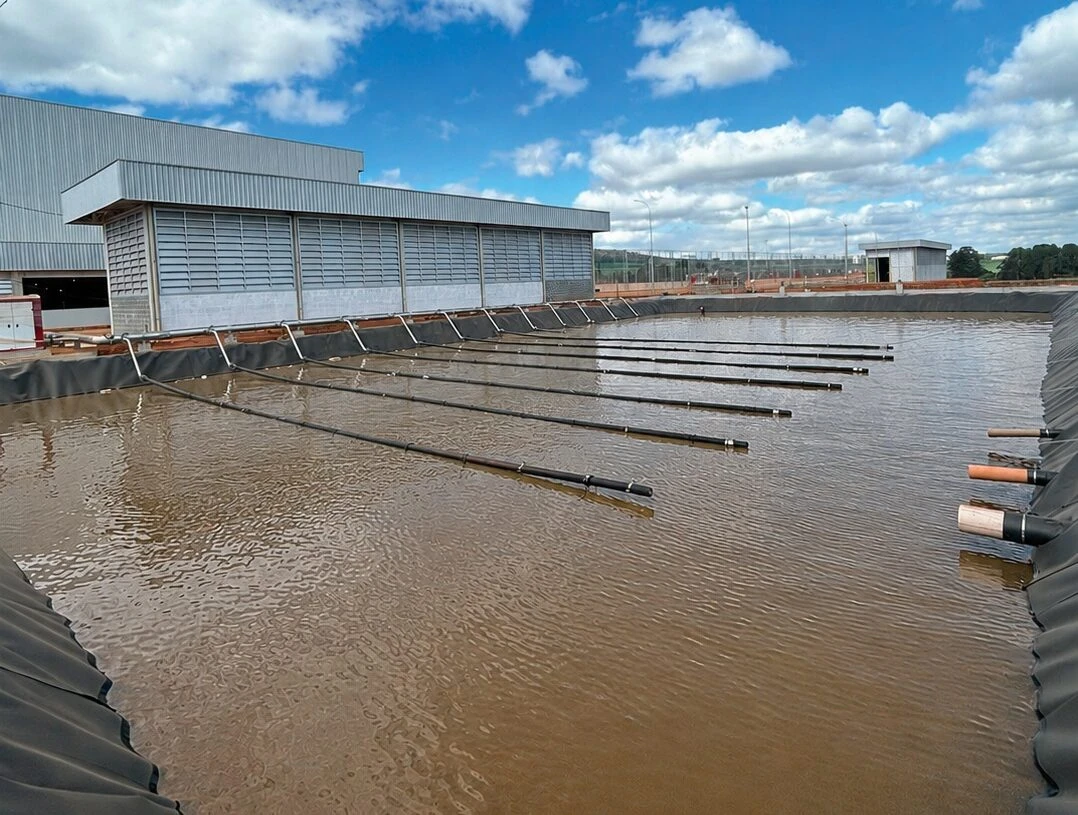
Your WWTP's energy bill may be here

2. Aeration deserves special attention

In aerobic biological treatment systems, aeration plays an essential role: supplying the oxygen needed for microorganisms to degrade the organic matter in the wastewater.

For this, blowers and air distribution systems may remain in operation for long periods.

When the system is correctly designed, the oxygen supply matches the needs of the process.

On the other hand, sizing problems, inadequate air distribution, worn equipment or poorly adjusted operation can increase energy demand without necessarily providing a proportional improvement in treatment.

Some points that can influence this performance include:

  • diffuser efficiency;

  • blower sizing;

  • tank depth;

  • air distribution;

  • wastewater characteristics;

  • actual oxygen demand;

  • plant operating conditions.

Therefore, simply supplying more air to the process does not necessarily mean treating better.

Efficiency lies in supplying what is needed, in the right way and at the right time.

3. Equipment operating outside its ideal point also consumes more

Another important point is how pumps, motors, blowers and other equipment are used.

A piece of equipment may have been correctly specified when the plant was built, but the industry's conditions change over time.

Production increases.

The flow rate changes.

The organic load may change.

New processes are added.

The plant receives additional equipment.

And, often, the operating strategy remains practically the same.

As a result, certain equipment may start working for longer periods, close to its capacity limit or under conditions different from those considered in the original design.

The result can appear in the form of:

higher energy consumption, increased maintenance needs and reduced operational efficiency.

4. Oversizing can also mean waste

When an industry faces treatment difficulties, a common reaction is to imagine that the solution is simply to install larger equipment.

Not always.

Equipment that is oversized for the real needs of the operation can also result in low efficiency.

A proper analysis must consider factors such as:

  • average and peak flow rates;

  • physicochemical characteristics of the wastewater;

  • organic load;

  • solids concentration;

  • variations in the production process;

  • peak demand hours;

  • characteristics of the existing treatment.

The right choice is not necessarily the largest equipment.

It is the equipment correctly sized for that application.

5. Does the WWTP operation keep up with changes in production?

This is another point that deserves attention.

Many industrial plants grow progressively over the years.

New lines are installed, production capacity increases and the volumes processed become larger.

However, the Wastewater Treatment Plant does not always evolve at the same pace.

A WWTP designed for the operating conditions of a few years ago may currently be receiving a significantly different flow or load.

In these situations, the plant may keep working but start to show signs such as:

  • equipment running for increasingly longer periods;

  • frequent need for adjustments;

  • increased chemical consumption;

  • higher energy consumption;

  • difficulty absorbing production peaks;

  • reduced operating margin.

This does not always mean that a new WWTP needs to be built.

In certain situations, a technical assessment can identify opportunities for adapting, expanding or retrofitting the existing system.

6. Automation and control can contribute to a more efficient operation

Another important aspect is understanding whether the equipment really needs to work at the same intensity throughout the entire period.

Depending on the process and the technology used, measuring instruments, sensors, variable frequency drives and automation strategies can help match the operation to the plant's actual conditions.

This allows certain equipment to respond better to process variations, preventing the entire installation from running continuously at maximum capacity when this is not necessary.

However, automation alone does not solve process problems.

First, it is necessary to understand the dynamics of the plant.

Then, define which variables need to be controlled and which operating strategy is most appropriate.

7. Is your WWTP consuming more energy than it should?

There is no single answer that applies to every plant.

The consumption of a WWTP is directly related to the type of wastewater, the technology used, the sizing of the equipment and the real operating conditions.

For this reason, the analysis must be technical.

Questions that can help with an initial diagnosis include:

Has the industry's production increased in recent years?

Is the current flow rate the same as the one considered in the original design?

Do the blowers and pumps run continuously?

Is any equipment frequently close to its maximum capacity?

Is the aeration system still suited to the current process conditions?

Does the plant require more and more interventions to maintain the same result?

When several of these situations are present, it may be worth reviewing the system's performance.

8. Retrofit and modernization: when to evaluate?

Not every need for improvement requires replacing the entire plant.

Depending on the existing conditions, different strategies can be evaluated, such as:

  • modernization of the aeration system;

  • replacement or adaptation of equipment;

  • changes to process stages;

  • installation of new treatment technologies;

  • capacity expansion;

  • improved automation;

  • retrofit of existing equipment and systems.

The goal should be to find the best balance between treatment performance, operational safety, capacity and energy efficiency.

9. Engineering applied to the reality of each operation

Each industry generates wastewater with its own characteristics.

For this reason, an efficient solution starts with understanding the existing process, the current operating conditions and the company's goals.

Linsul develops complete systems and equipment for industrial water and wastewater treatment, from sizing and manufacturing to modernization and expansion solutions for existing systems.

If your Wastewater Treatment Plant shows increased consumption, loss of efficiency or a need for greater capacity, a technical assessment can help identify the main bottlenecks in the operation.

10. Could your WWTP be consuming more energy than it should?

Talk to Linsul's technical team and tell us about the characteristics of your operation.

Blog & News

Trends, news and
knowledge

Trends, news and knowledge

Our partnerships

Commitment to Efficiency and Sustainability

We are committed to building solid, long-lasting partnerships with our clients, contributing to a more sustainable and efficient future.

Contact us