


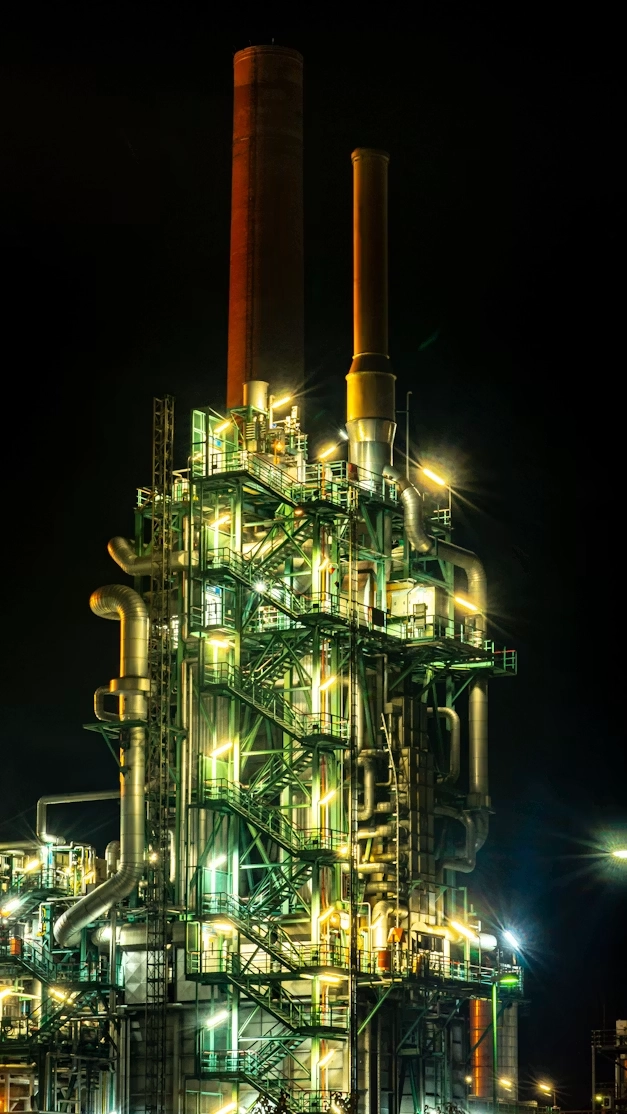
Chemical industry
Water and wastewater treatment adapted to chemical industry processes.
Technologies for streams with variable composition, organic loads and inorganic contaminants. Solutions selected based on raw materials, reactions and production and cleaning routines.
Water and wastewater treatment in the chemical industry
The chemical industry combines synthesis, mixing and formulation operations, using water as a solvent, process medium, washing agent and utility resource. Each product family generates its own wastewater profile.
Streams may contain acids, bases, salts, solvents, solids and organic compounds. Metals and hard-to-biodegrade substances may be present depending on the raw materials and reactions involved.
The design of a chemical industry WWTP should start from stream characterization and an assessment of their compatibility. Batch production and product changeovers must be considered in the sizing.
Chemical industry.

Main challenges in this segment
Specialized treatment for effluents of variable composition, ensuring operational and environmental safety.
Compatibility between streams
Mixing different wastewater streams can cause unwanted reactions or impair treatment efficiency.
pH and salinity variations
Acids, bases and salts call for specific control, without assuming that equalization removes these contaminants.
Biodegradability and inhibition
The organic load is not always biologically treatable, and some compounds can affect the biomass.
Batch discharges
Batches and washing can produce concentrated loads in short intervals, altering the WWTP feed.
Define the route by the process chemistry
The strategy depends on the product family, the reactions carried out, the concentrations and the destination of each stream. Incompatible or concentrated streams may require segregation and specific treatment before any mixing.
The system may incorporate equalization, pH adjustment, precipitation where relevant, coagulation, flocculation and separation by settling or flotation. The selection should be supported by analyses and treatability tests.
MBBR or other biological stages are assessed only for compatible streams. Treatment must address any remaining dissolved contaminants and the handling of physicochemical and biological sludge, according to their characteristics.
Integrated water, wastewater and reuse
Integrated planning links process water, utility feed and manufacturing wastewater. Segregation can preserve less contaminated streams for recovery assessment.
Water reuse in the chemical industry depends on the residual composition and the requirements of the application. Filtration and membranes may be part of the solution, but the choice must consider salts, specific contaminants, scaling potential and the disposal of concentrated streams.
Technologies for the chemical industry
Linsul's portfolio makes it possible to build stages according to the chemistry of the streams and the requirements of the plant. Biological processes and membranes are selected only when characterization supports their use.
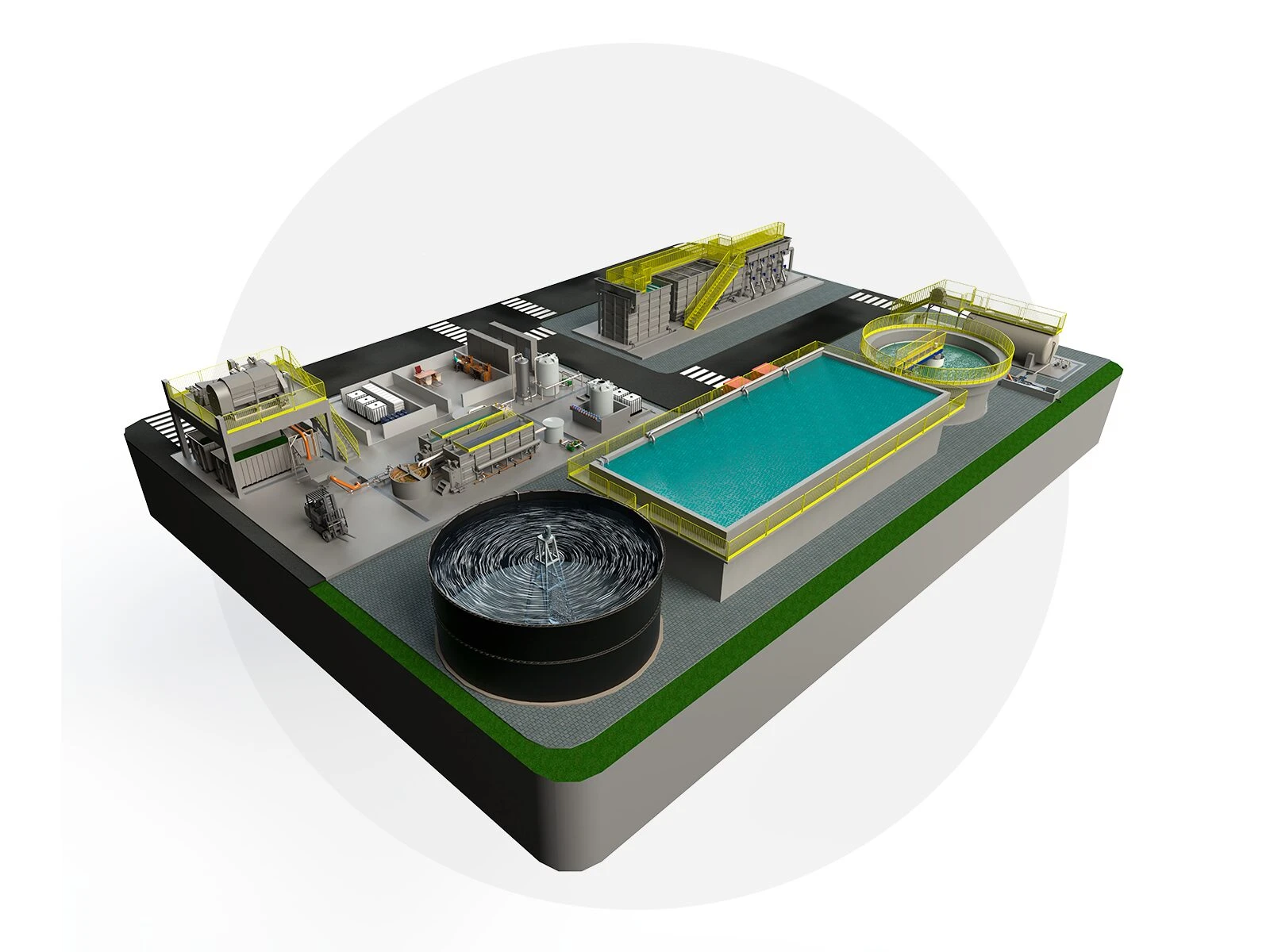
Wastewater Treatment Plant (WWTP)
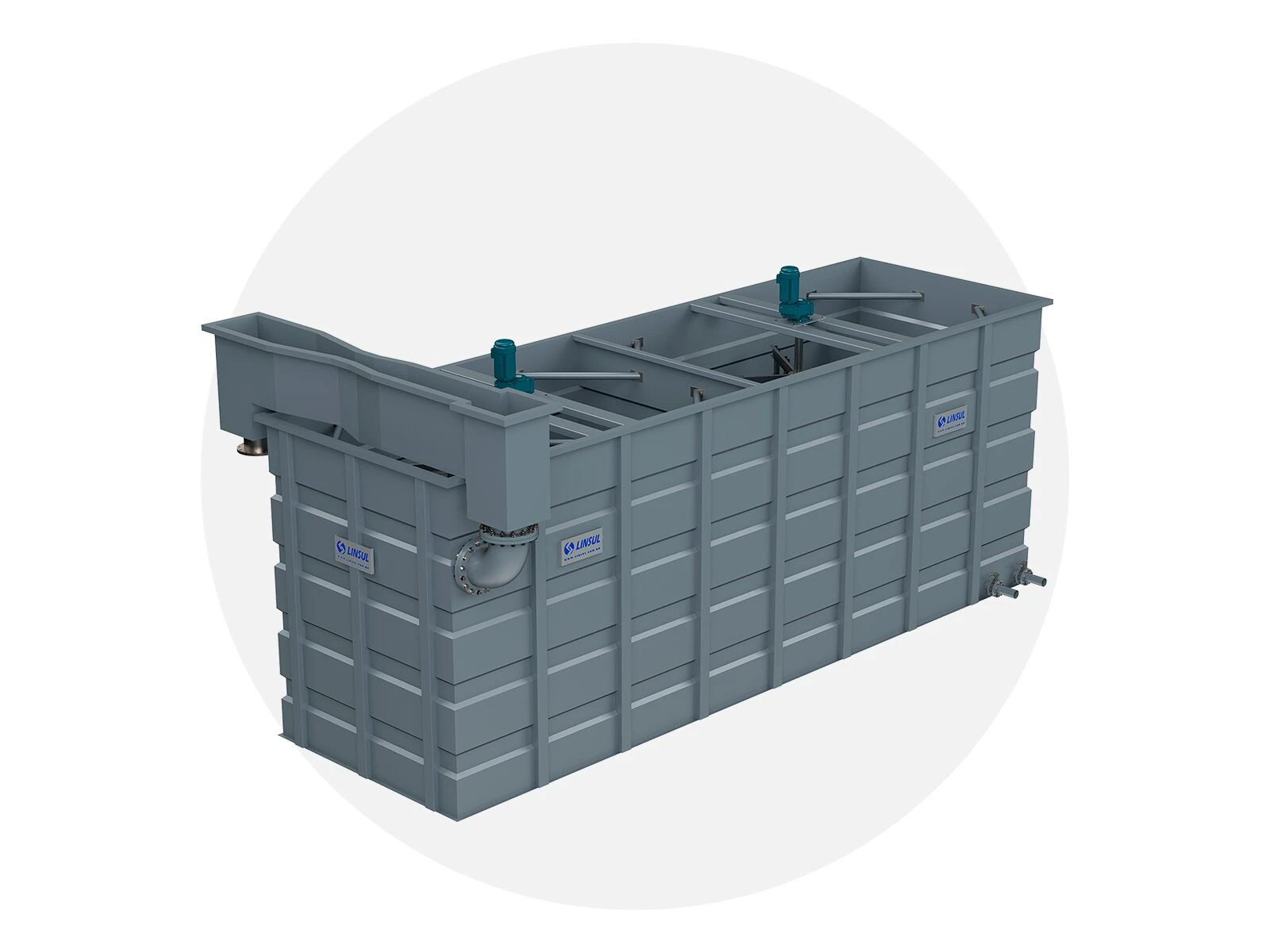
Mechanical Flocculator
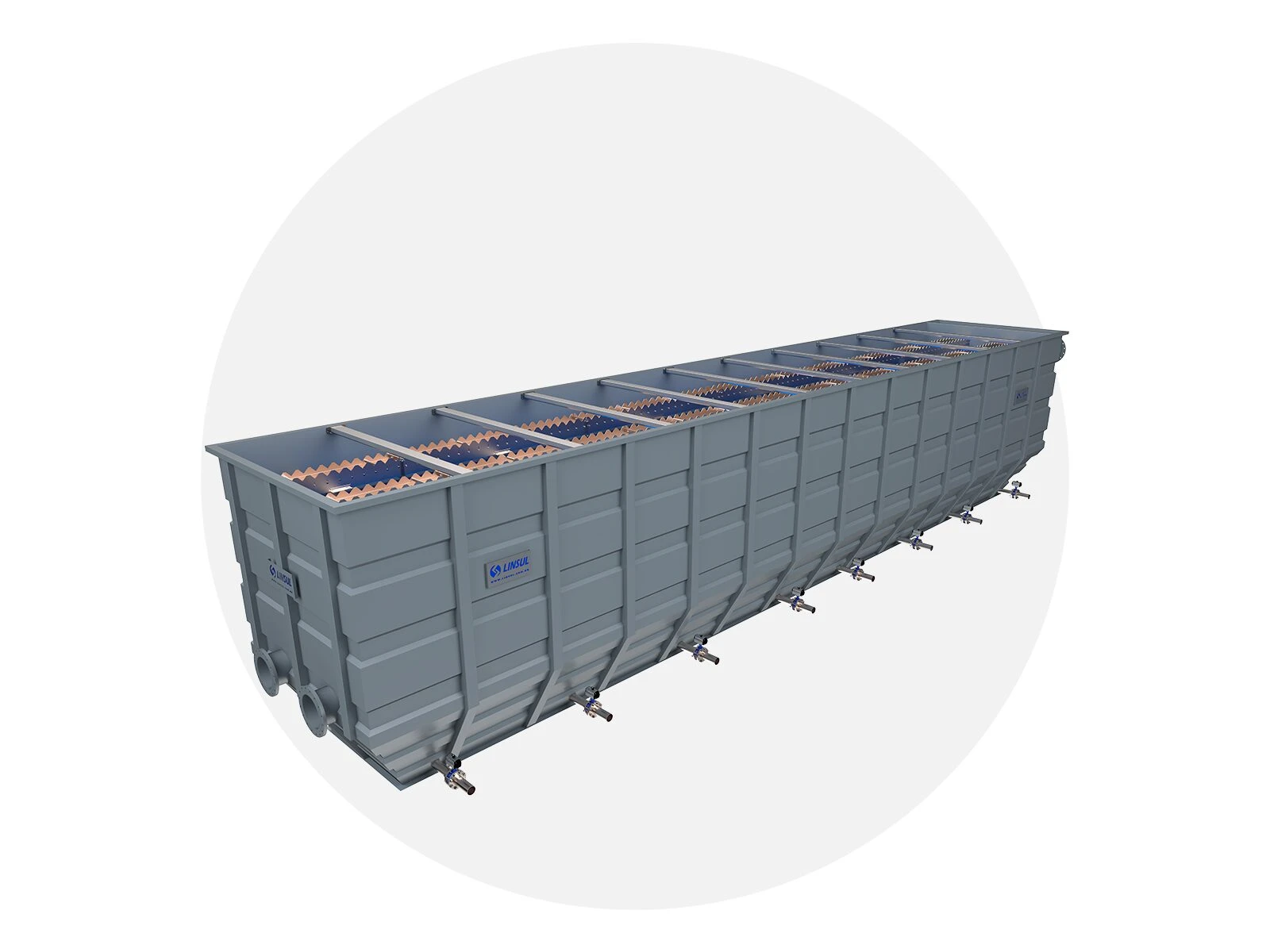
Lamella Clarifier
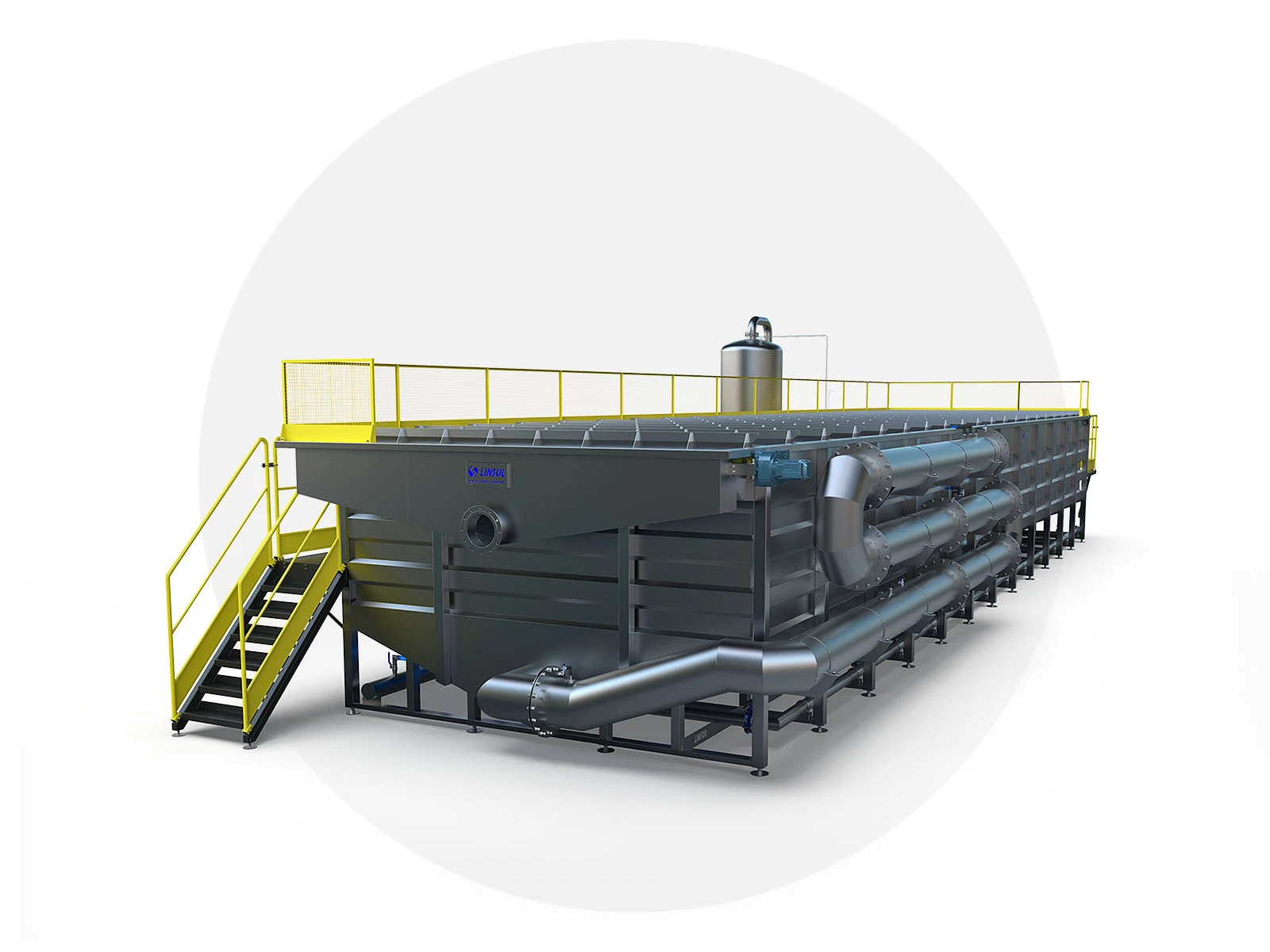
Dissolved Air Flotator
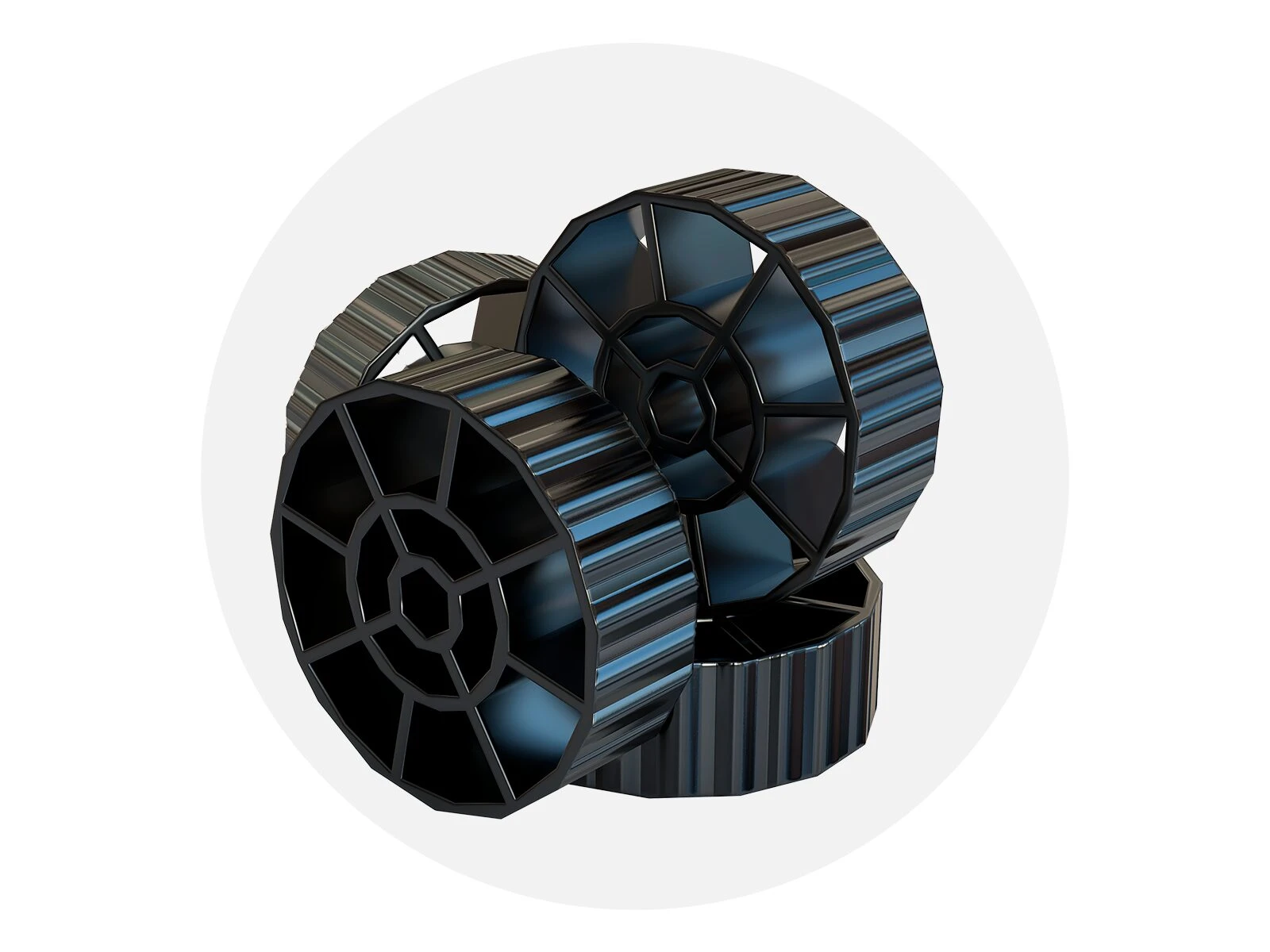
MBBR System
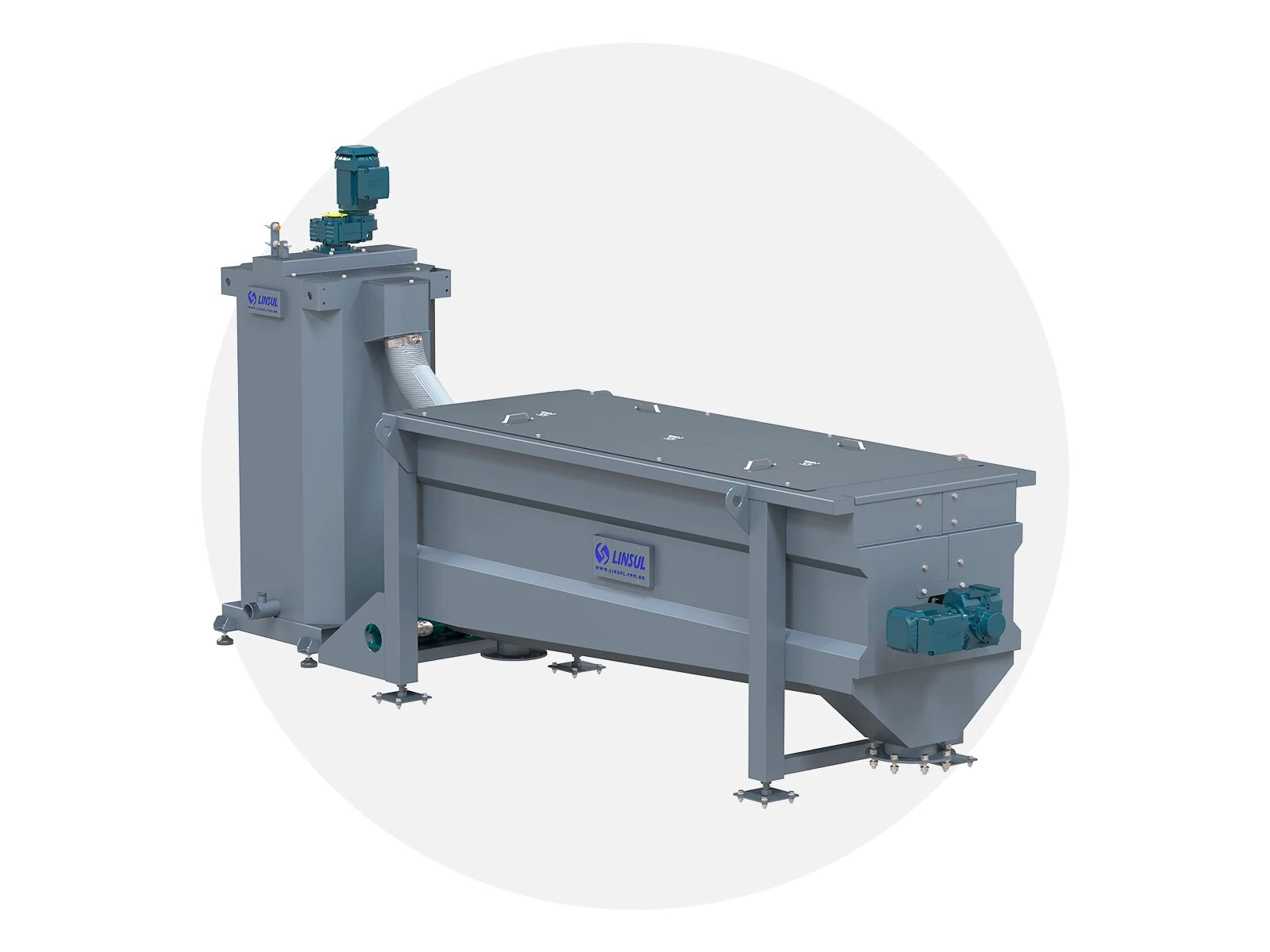
Sludge Thickener
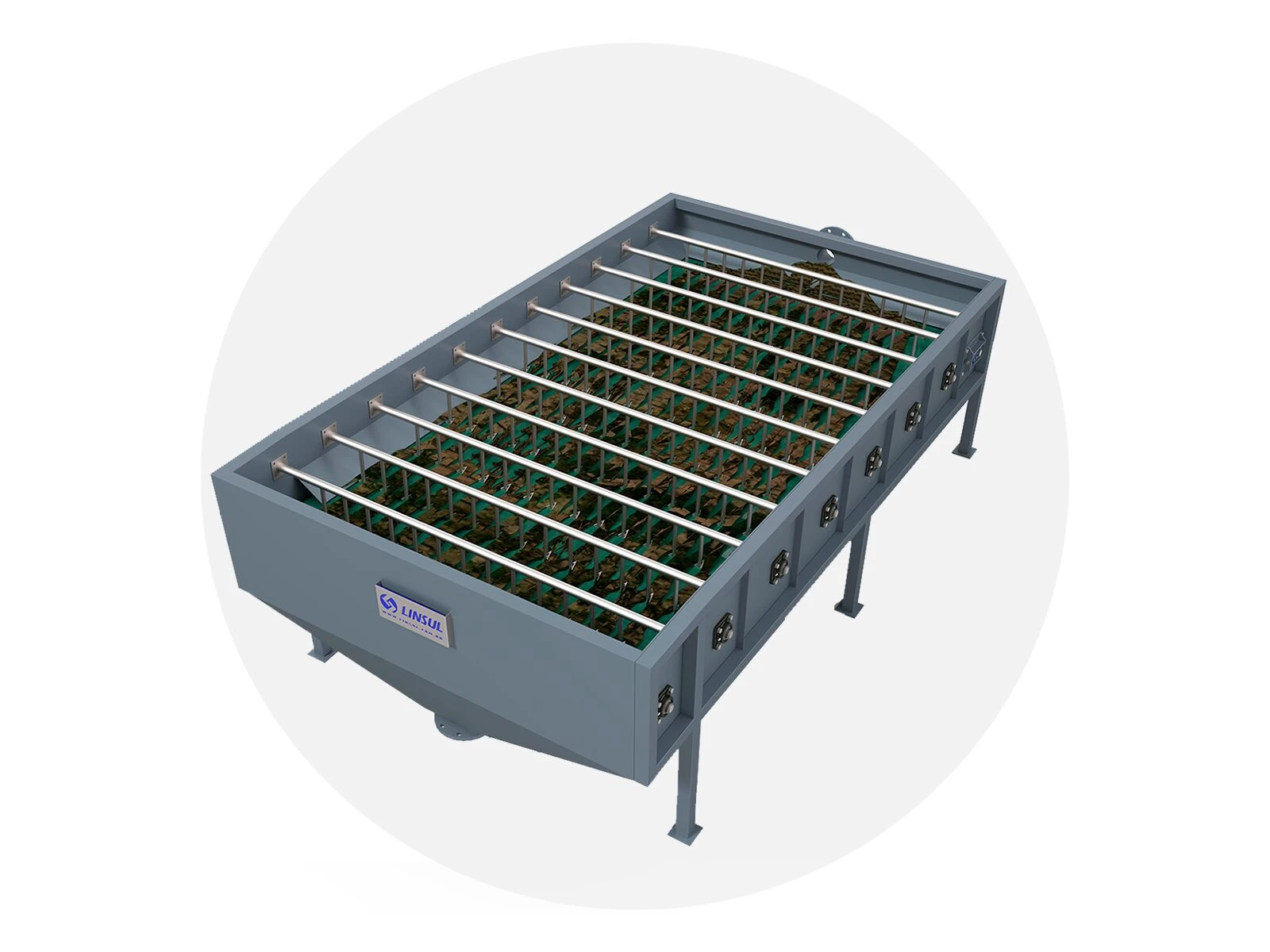
Sludge Thickening Table
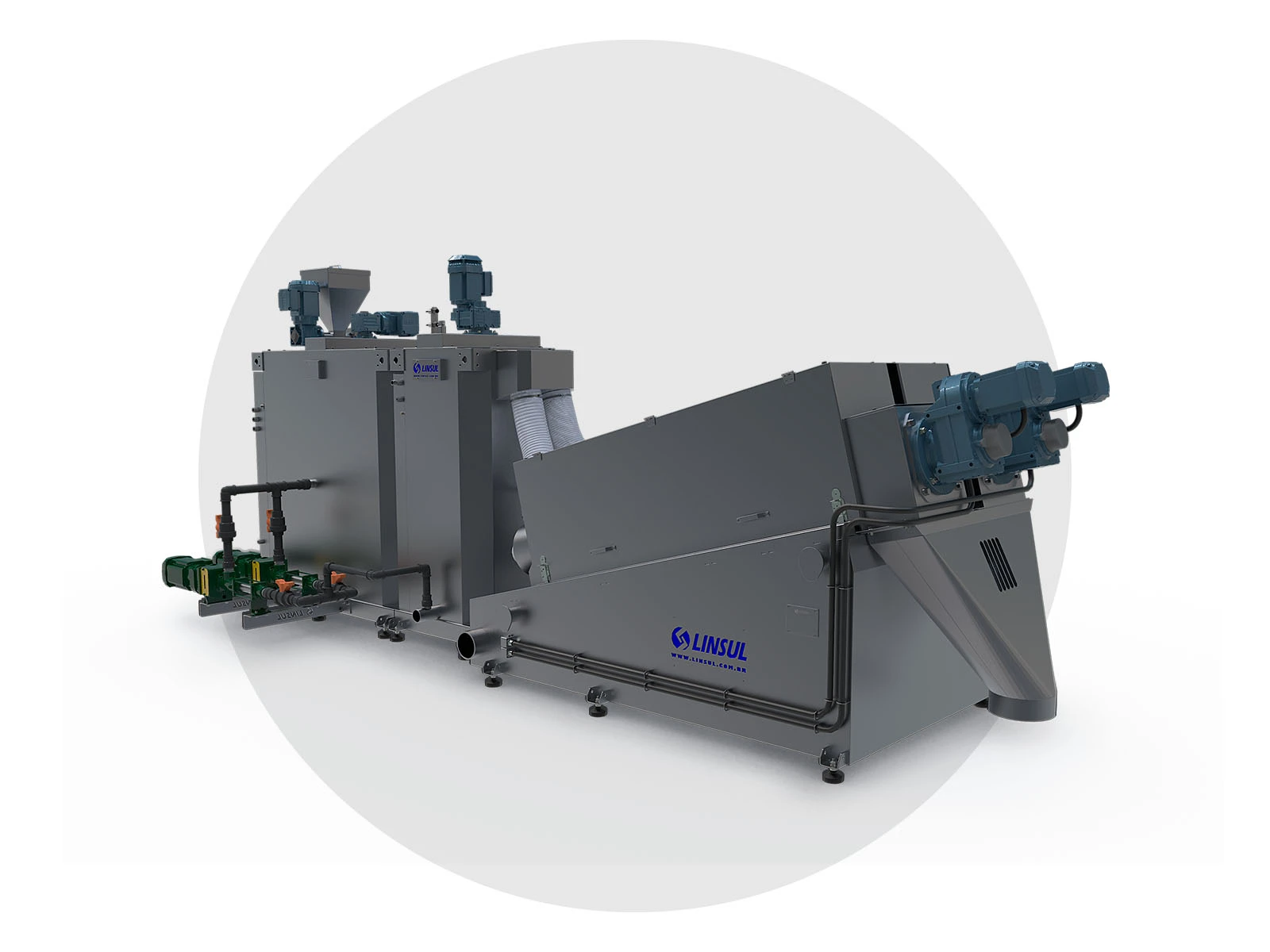
Sludge Dewatering Press
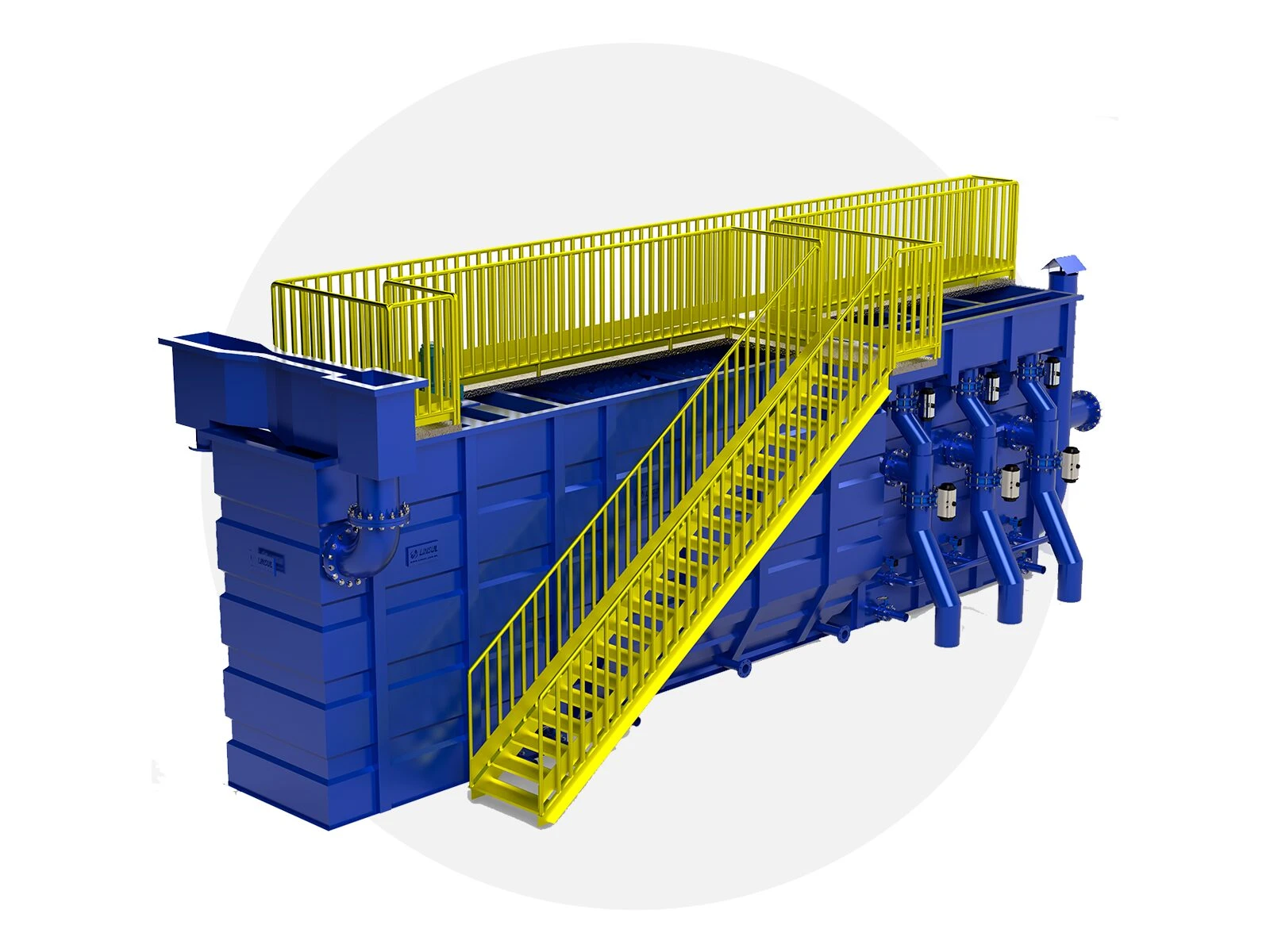
Water Treatment Plant (WTP)
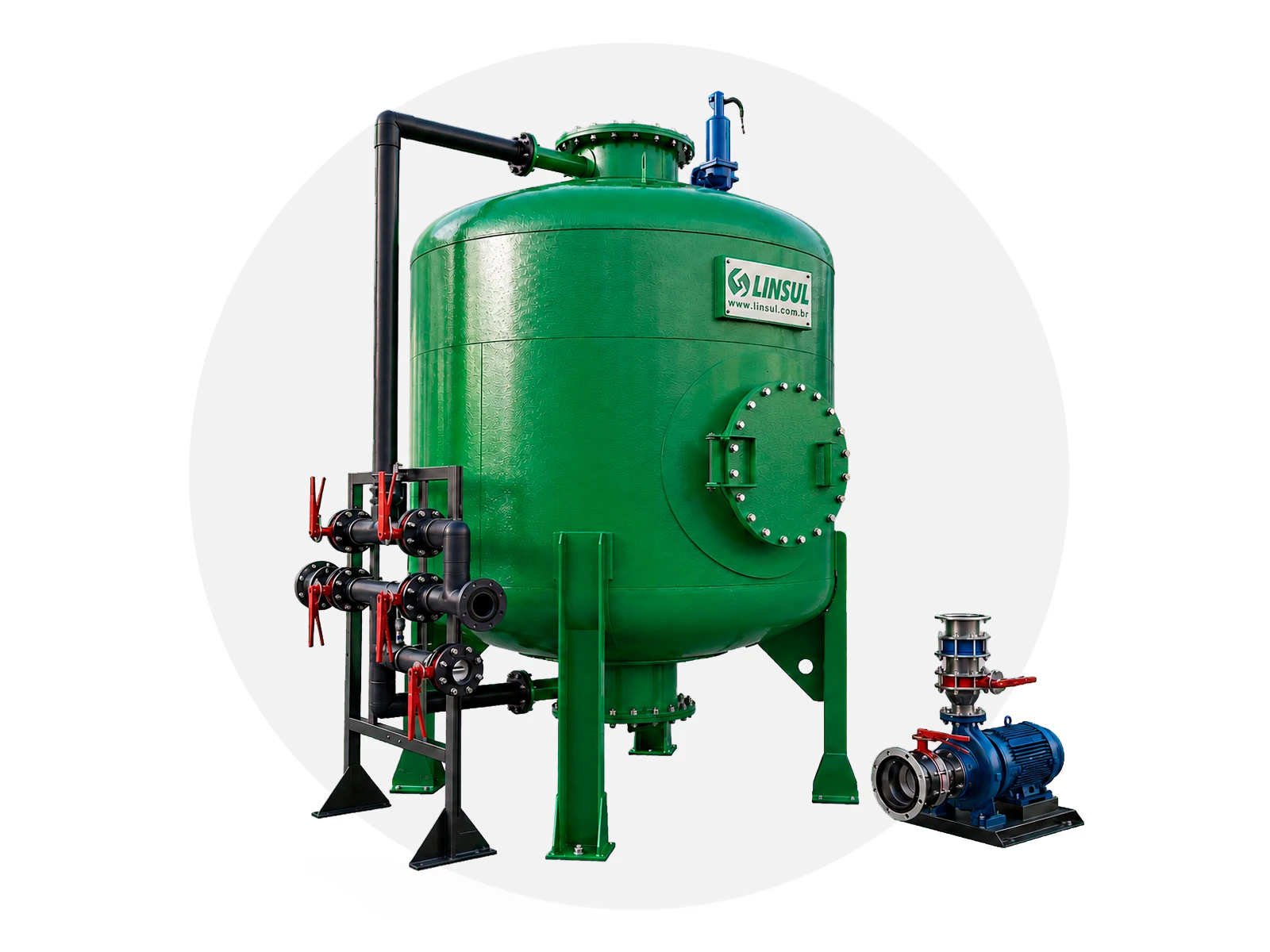
Pressure Filter
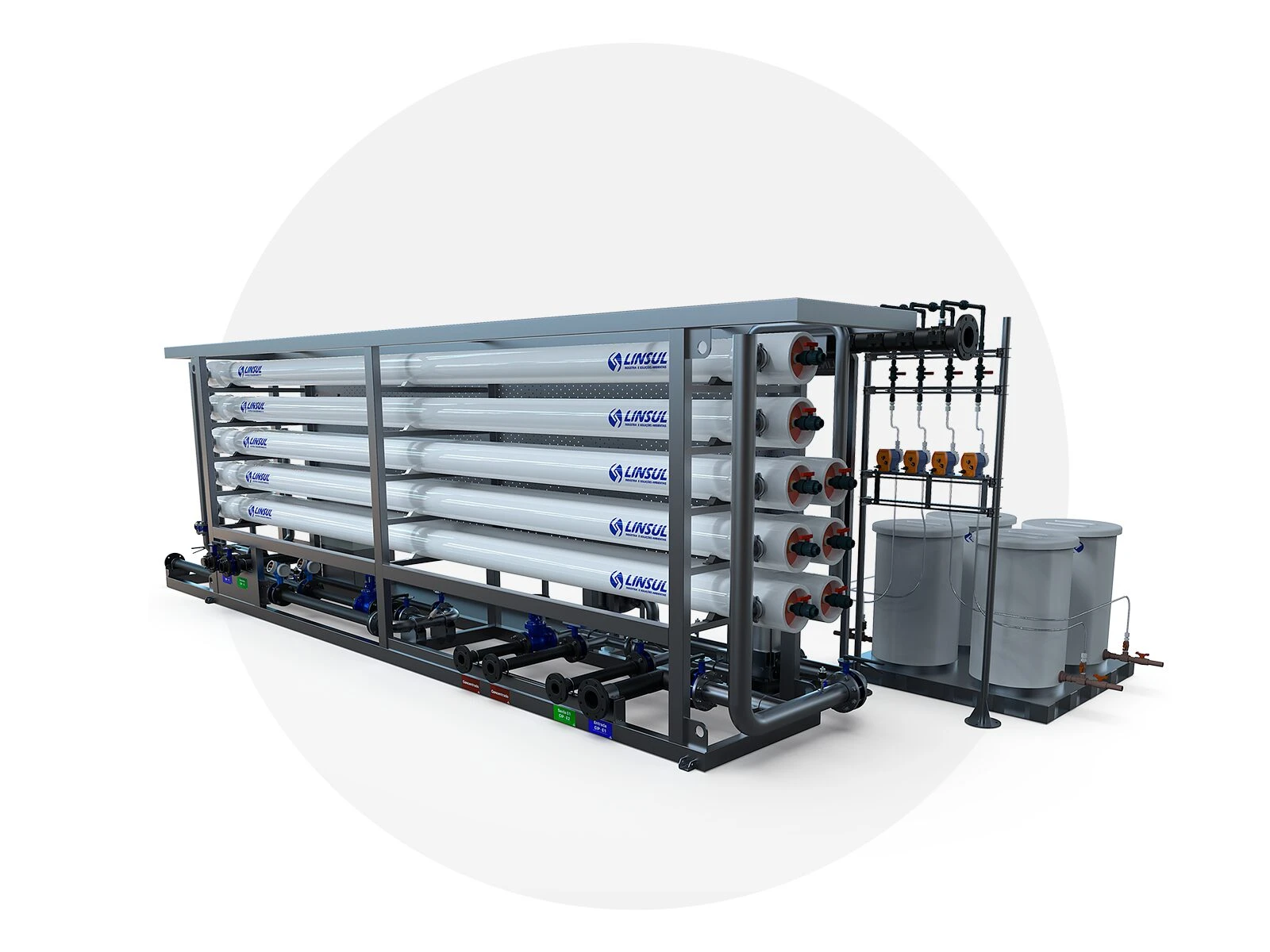
Reverse Osmosis
More efficiency for
your operation.
A strategy based on the plant's raw materials and streams contributes to more predictable treatment and better industrial water management.
Explore our other segments:
The experience gained across different industries allows us to understand the specific challenges of each segment and develop solutions adapted to the needs of each operation.
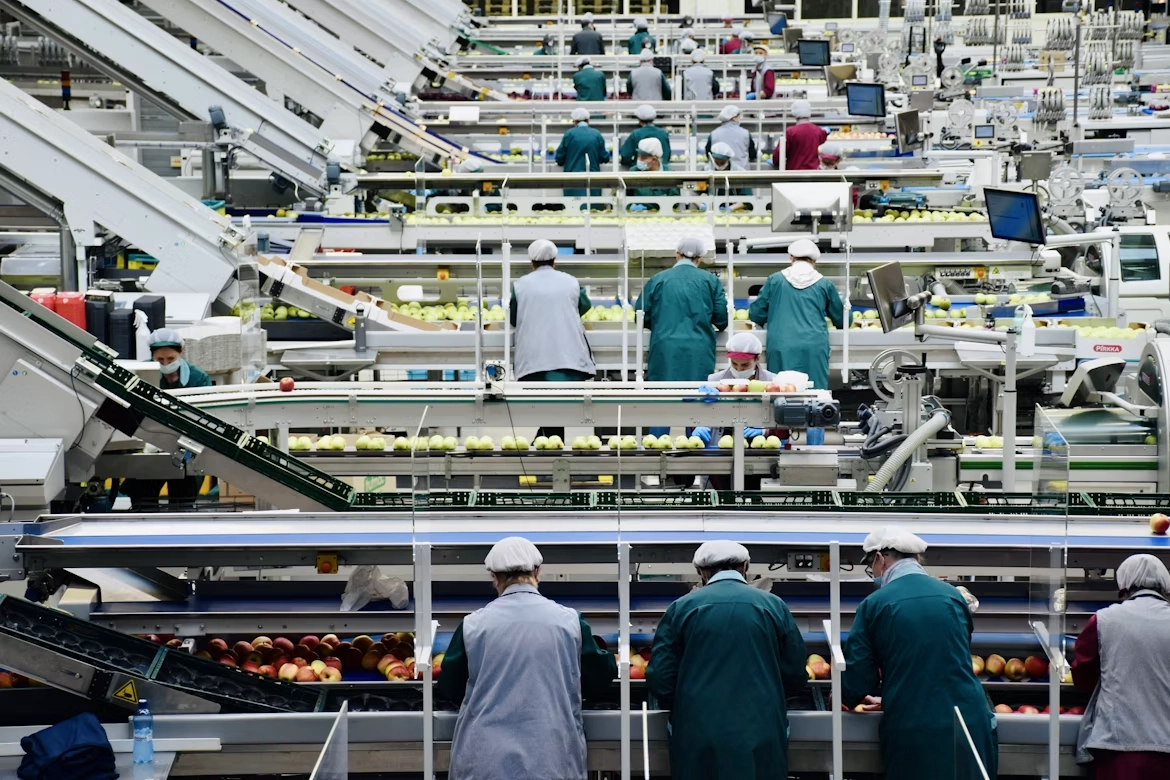
Food Sector
One of the pillars of the global economy, responsible for the production, processing and distribution of food.
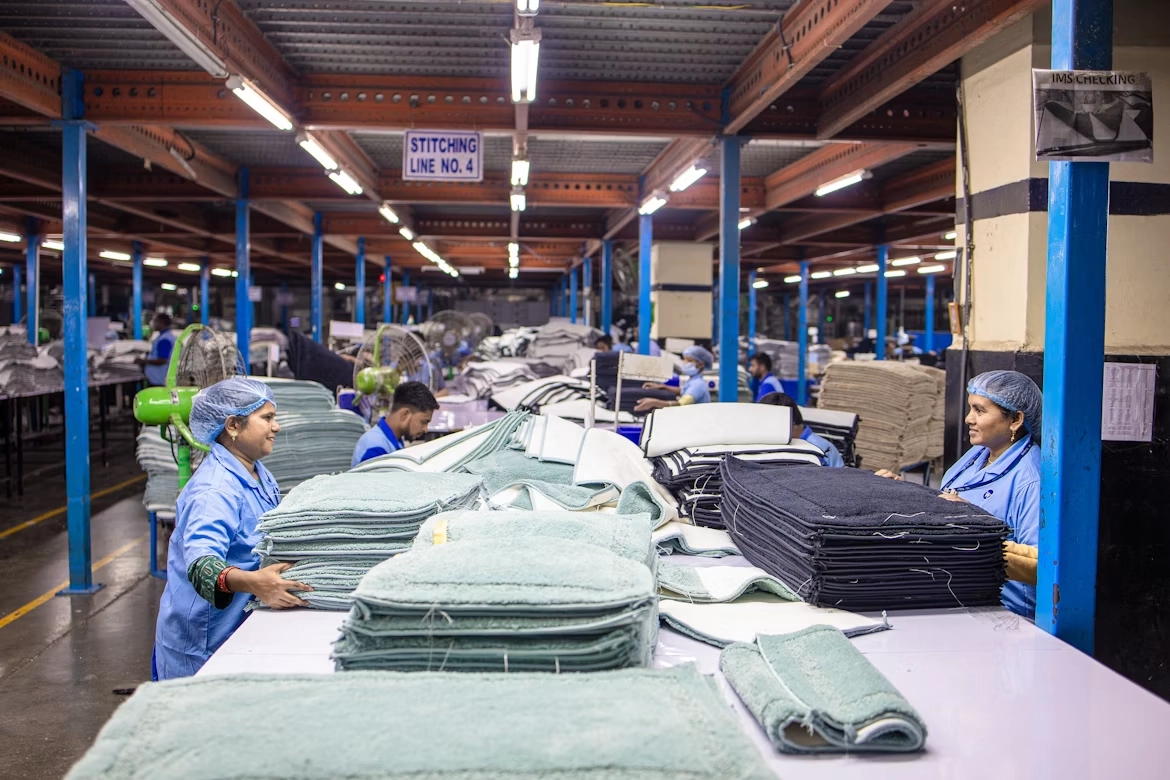
Textile Sector
Covering fiber production, garment manufacturing and the distribution of textile products.
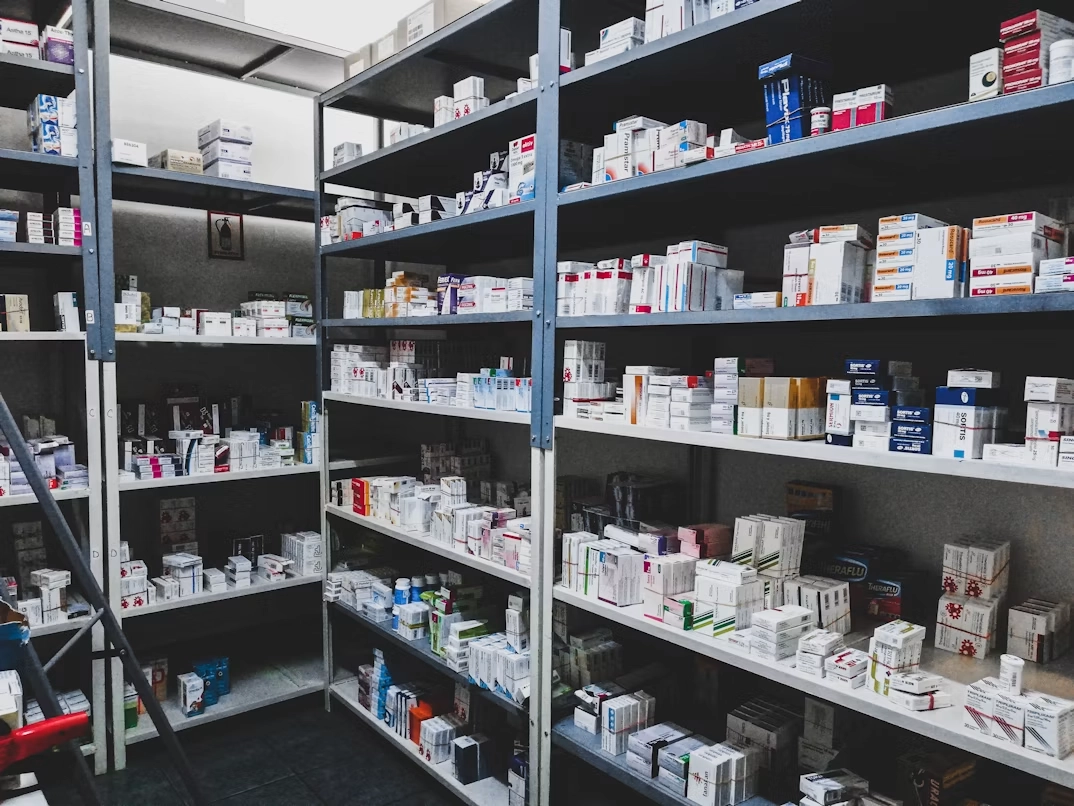
Pharmaceutical Sector
Essential to global health, focused on the research, development and production of innovative medicines.
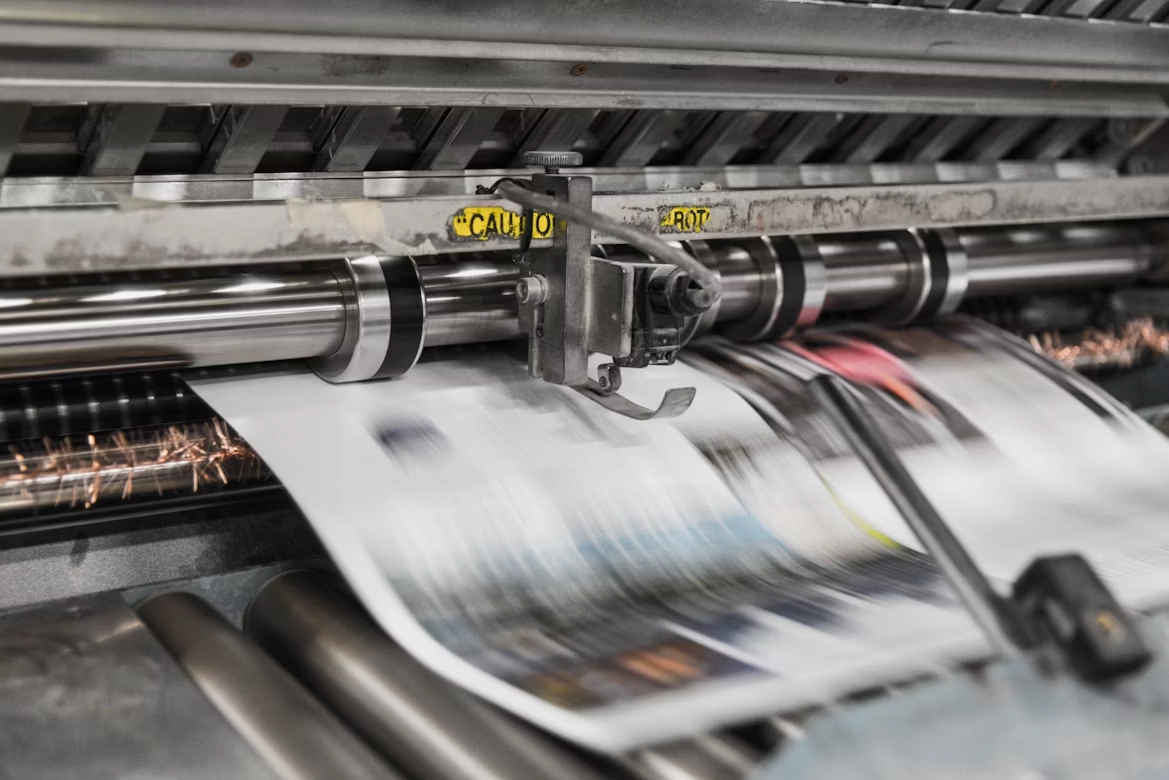
Pulp and Paper
Solutions to optimize industrial processes, reduce water consumption and increase efficiency in wastewater treatment.
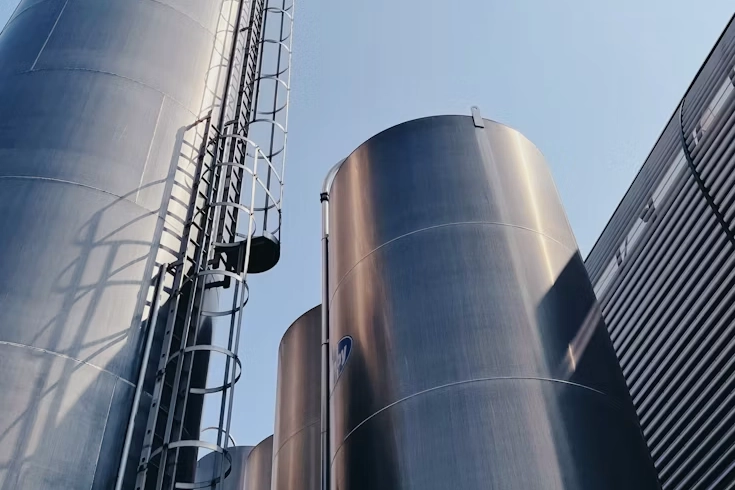
Bioenergy
Equipment and systems designed for power plants and energy generation processes, promoting greater operational efficiency.
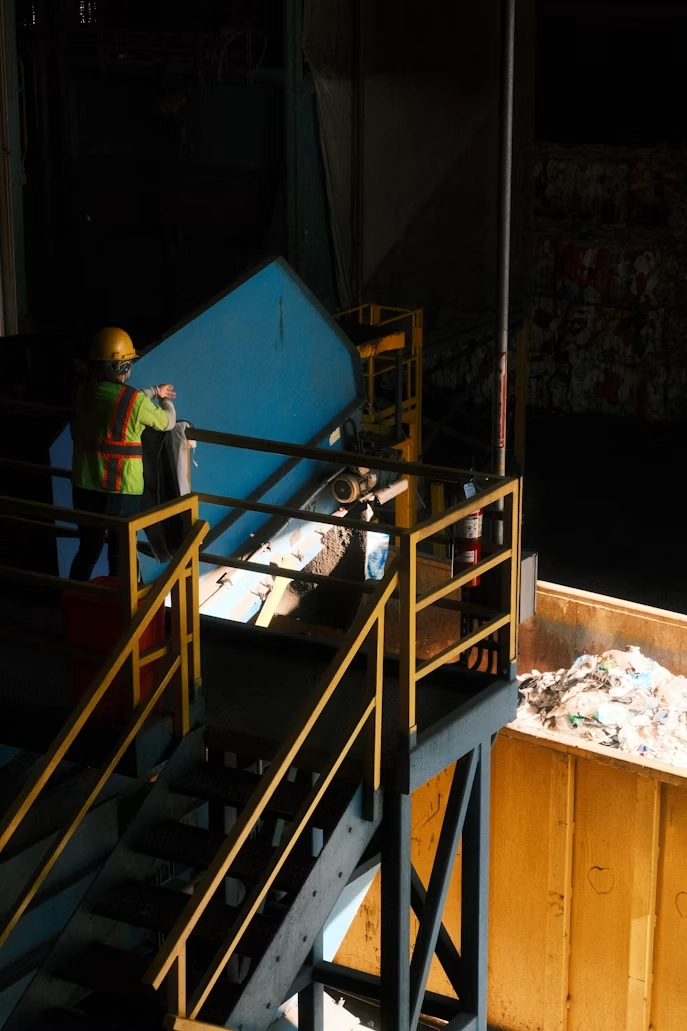
Animal Rendering
Technologies for treating effluents with high organic load, contributing to safer and more sustainable operations.
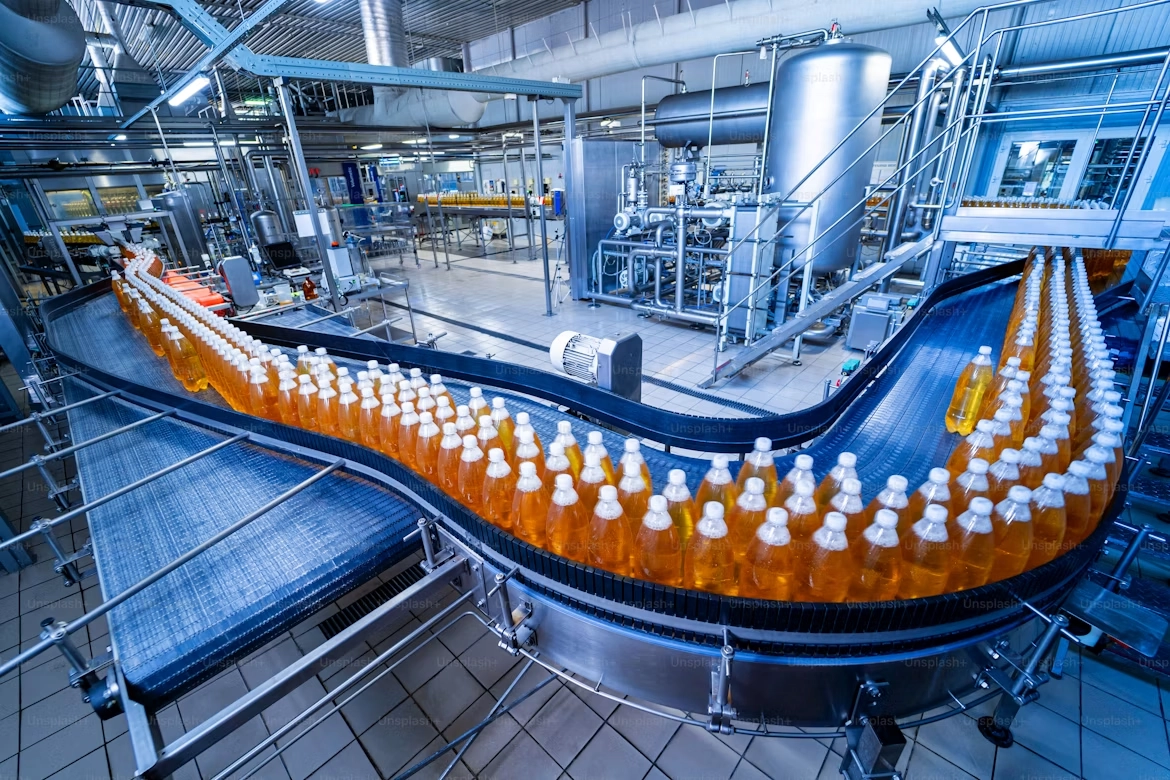
Beverage Industry
Solutions for treating effluents rich in sugars and organic matter, ensuring compliance and production efficiency.

Mechanical industry
Treatment of oily and metal-bearing effluents from machining and parts finishing processes.

Cosmetics
Systems to treat effluents containing surfactants and oils, typical of cosmetics and personal care production.
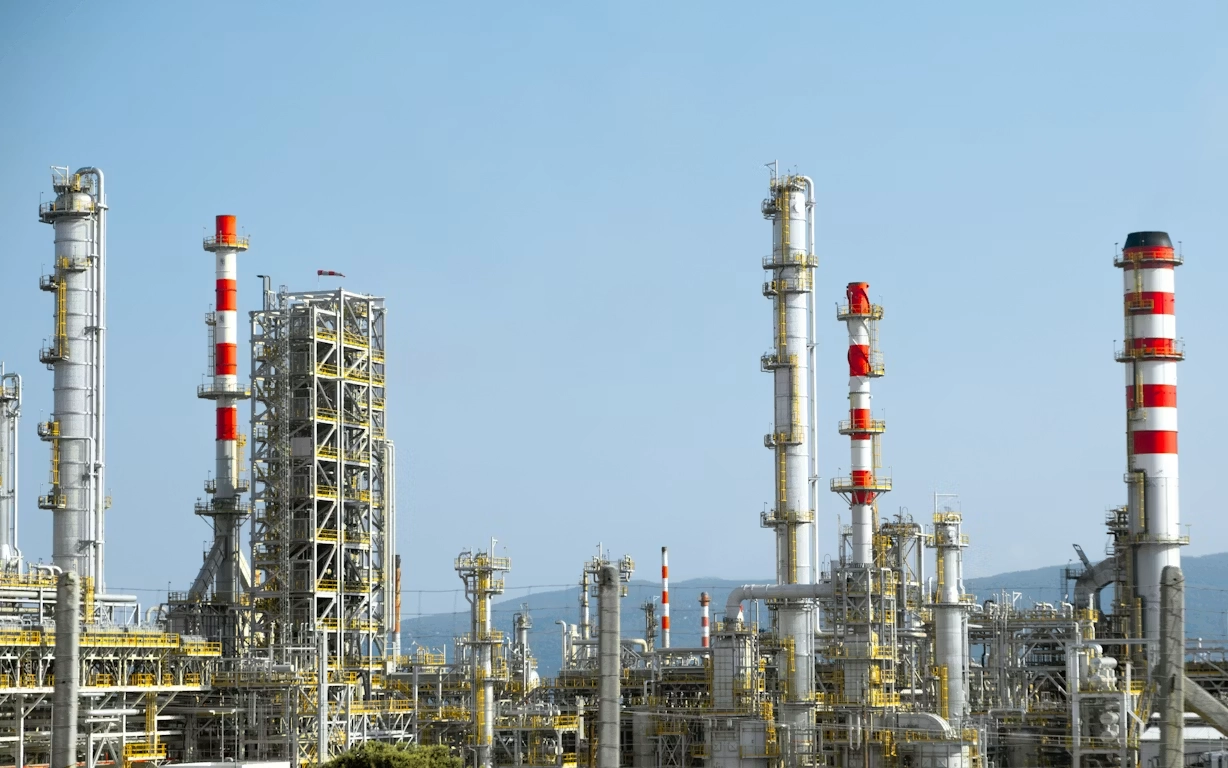
Petrochemical industry
Robust solutions for complex effluents with hydrocarbons and high chemical oxygen demand.
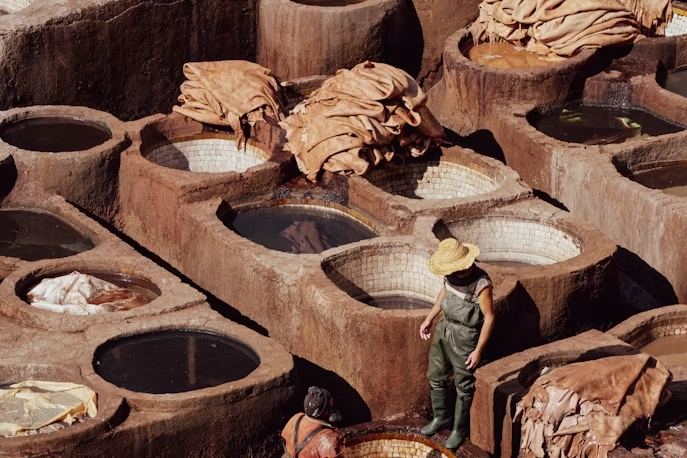
Tannery
Systems for effluents with high organic load and chromium, reducing the environmental impact of the tanning process.
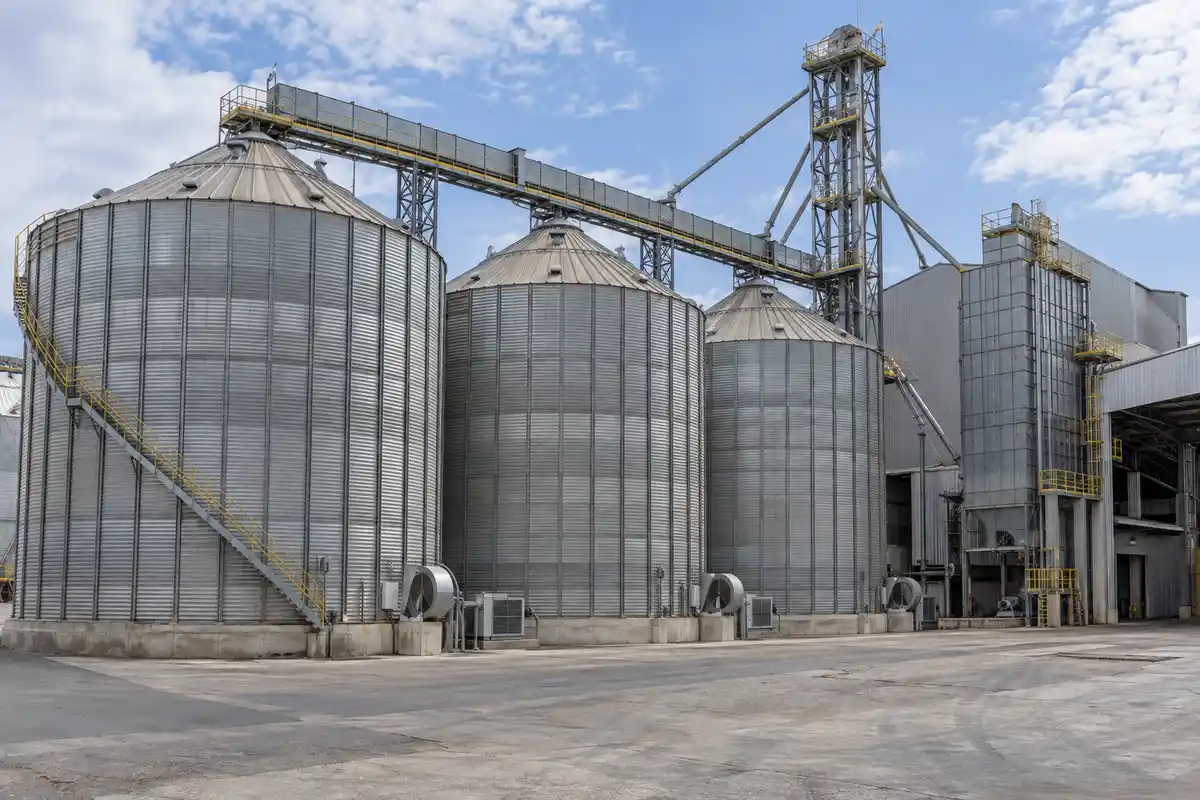
Agribusiness
Solutions for effluent from the processing of grains, fruit, milk and other farm products, with high organic load and suspended solids.
Related
Applications.
Specialized treatment for effluents of variable composition, ensuring operational and environmental safety.
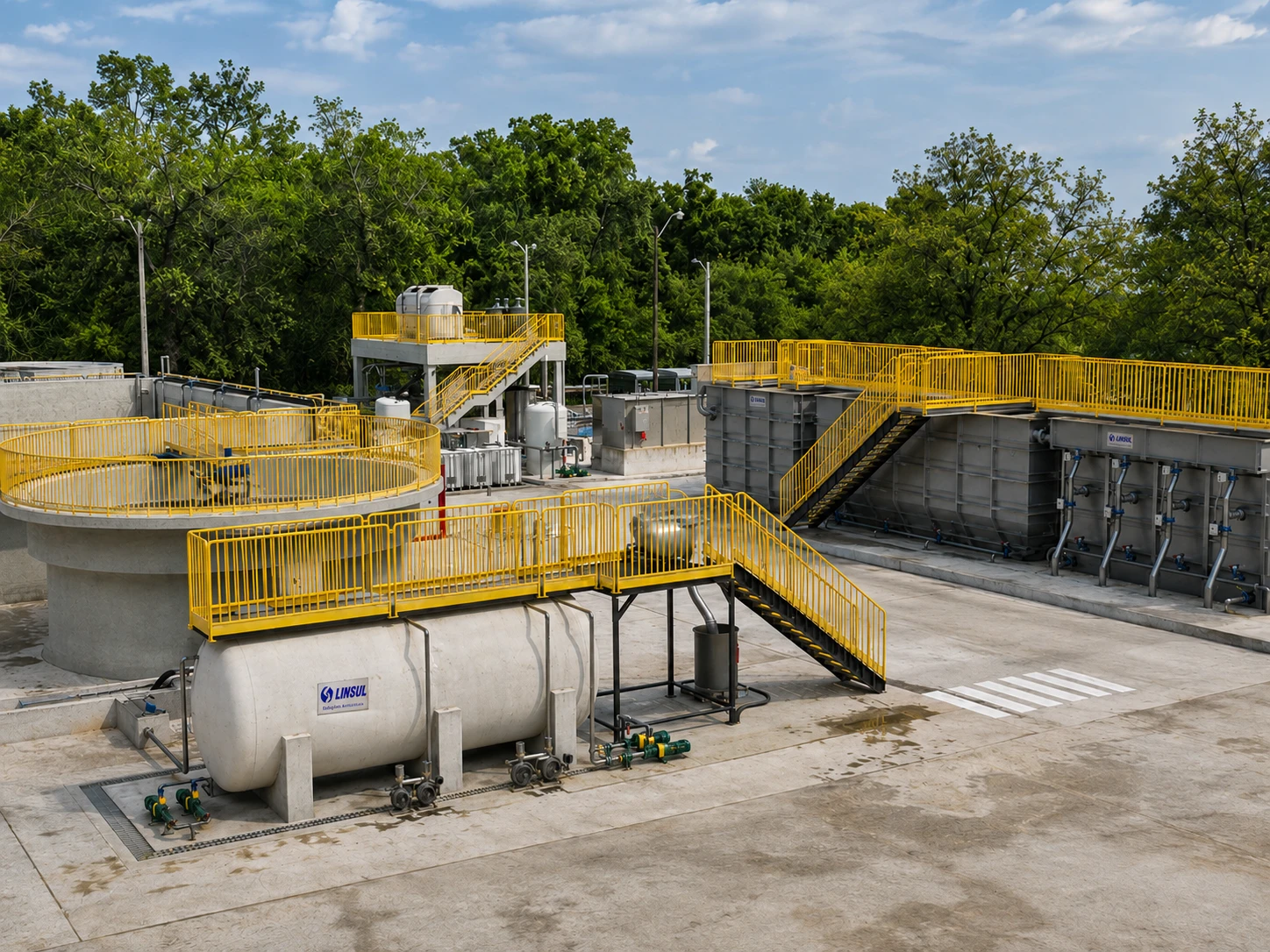
Your WWTP's energy bill may be here
Electricity consumption is one of the permanent costs of operating a Wastewater Treatment Plant. Pumps, blowers, mixers, aeration systems and other equipment can run…

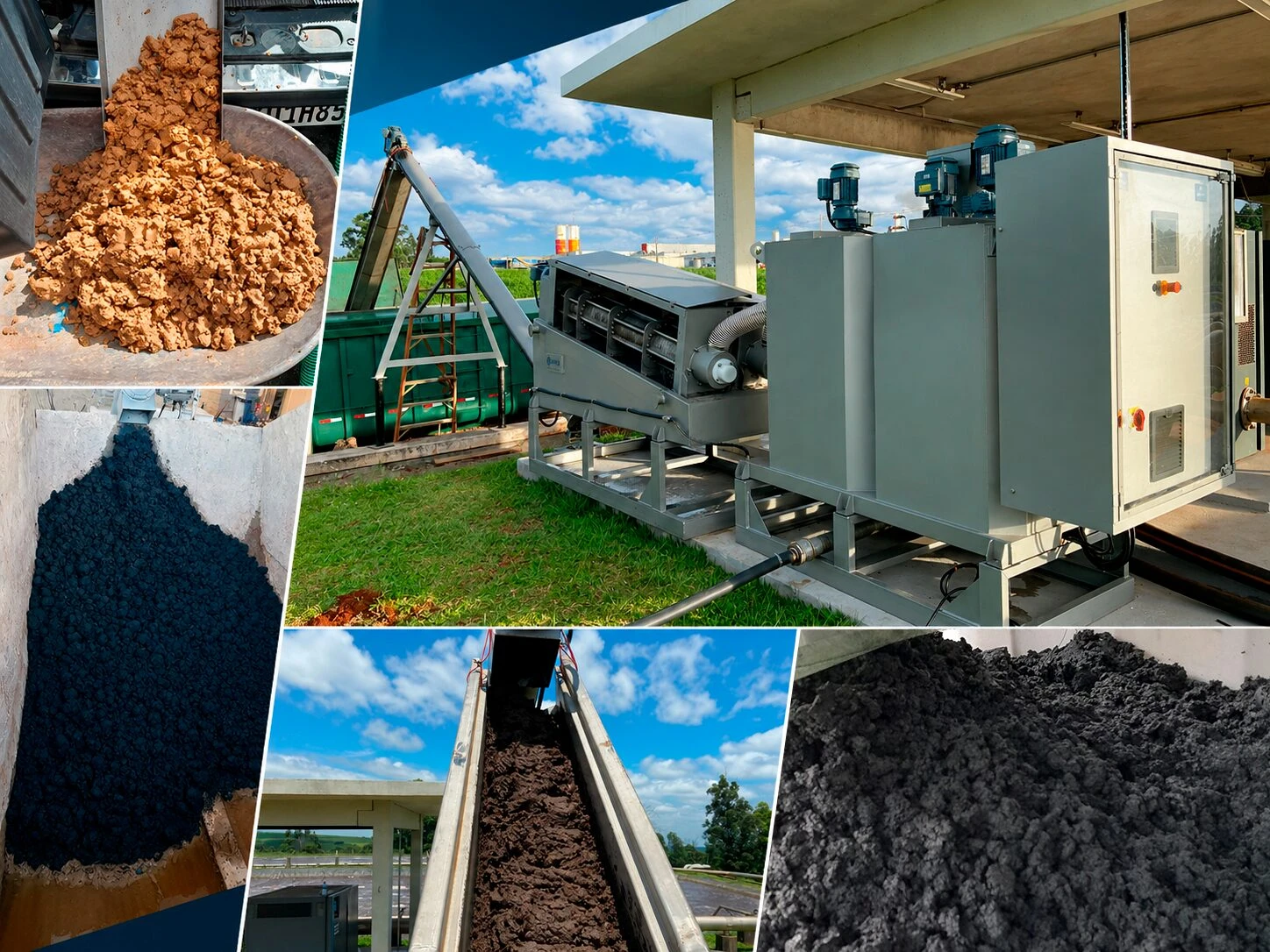
Accumulated sludge is accumulated cost
Sludge generation is a natural consequence of different water and wastewater treatment processes. However, when this material remains highly concentrated in water or builds up at the pl…
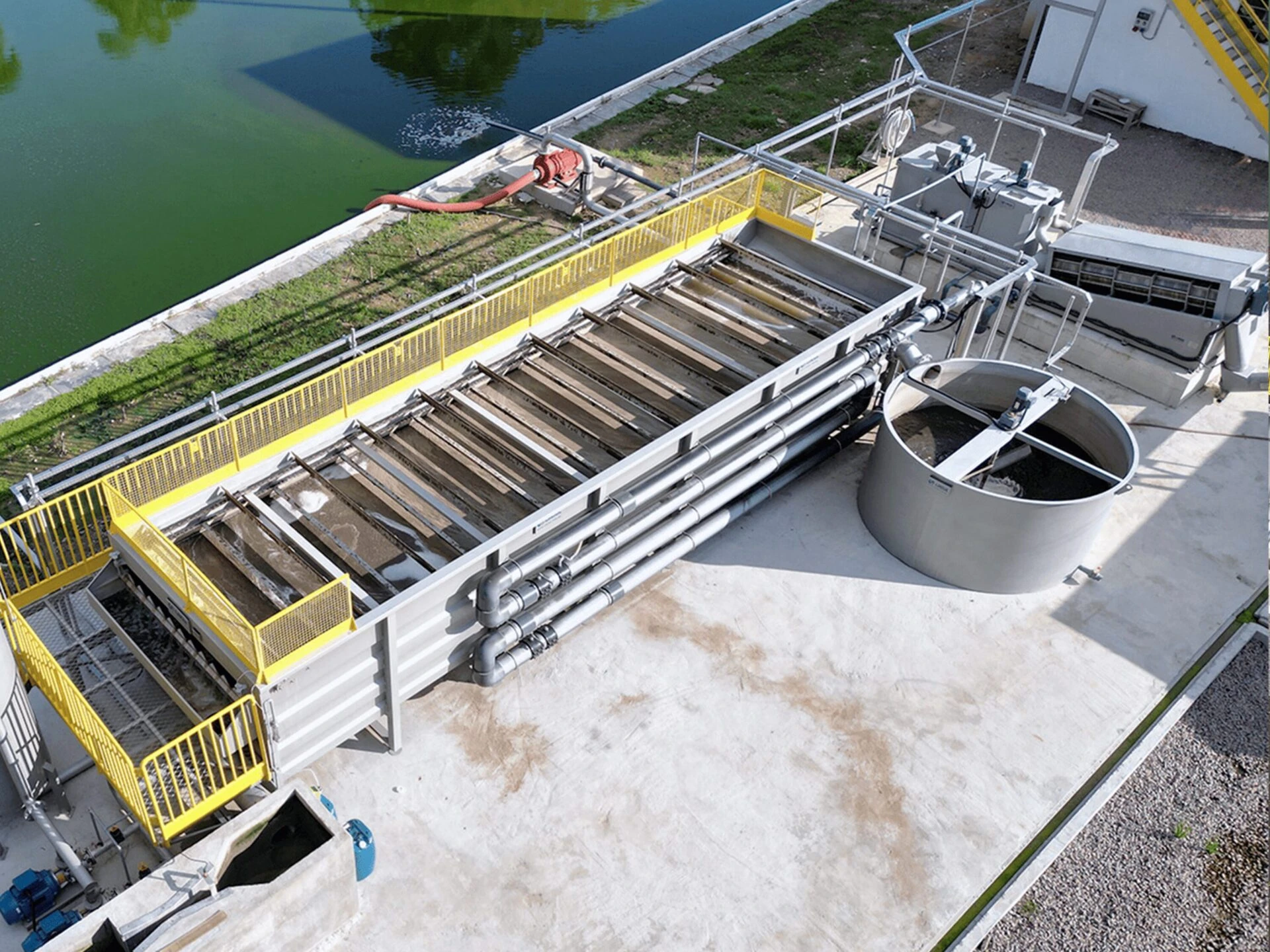
Is your WWTP operating below its potential?
In industrial operations, it is common for wastewater treatment plants (WWTP) to run below their real potential, often without this being clearly noticed.
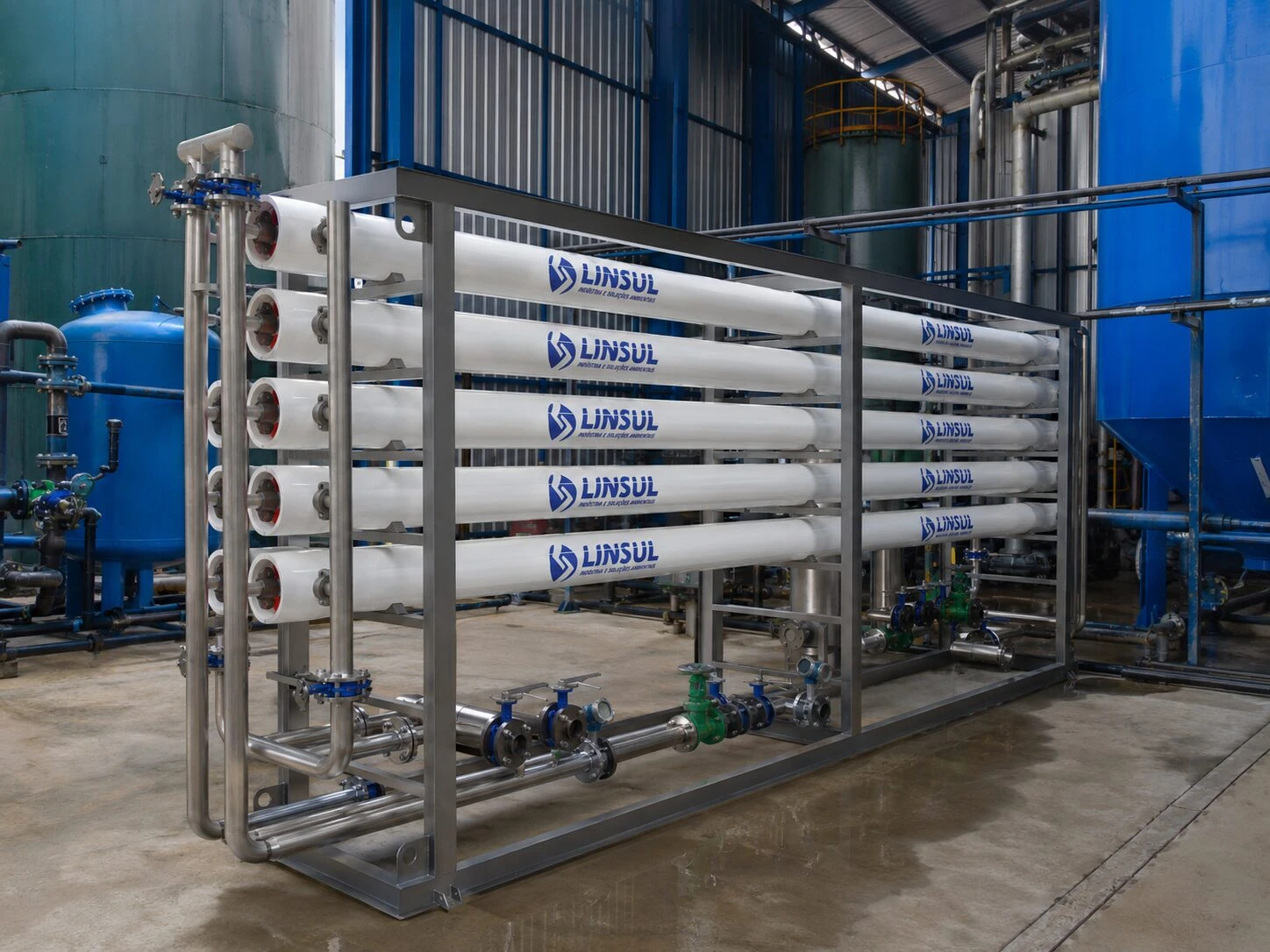
Industrial Reverse Osmosis in Water Treatment
Reverse osmosis is an advanced water treatment technology used to remove dissolved salts, minerals, organic matter, microorganisms and other contaminants from water. Using…
Linsul Partners


























Download
our catalog
Discover the full range of innovative wastewater
treatment solutions Linsul offers!