


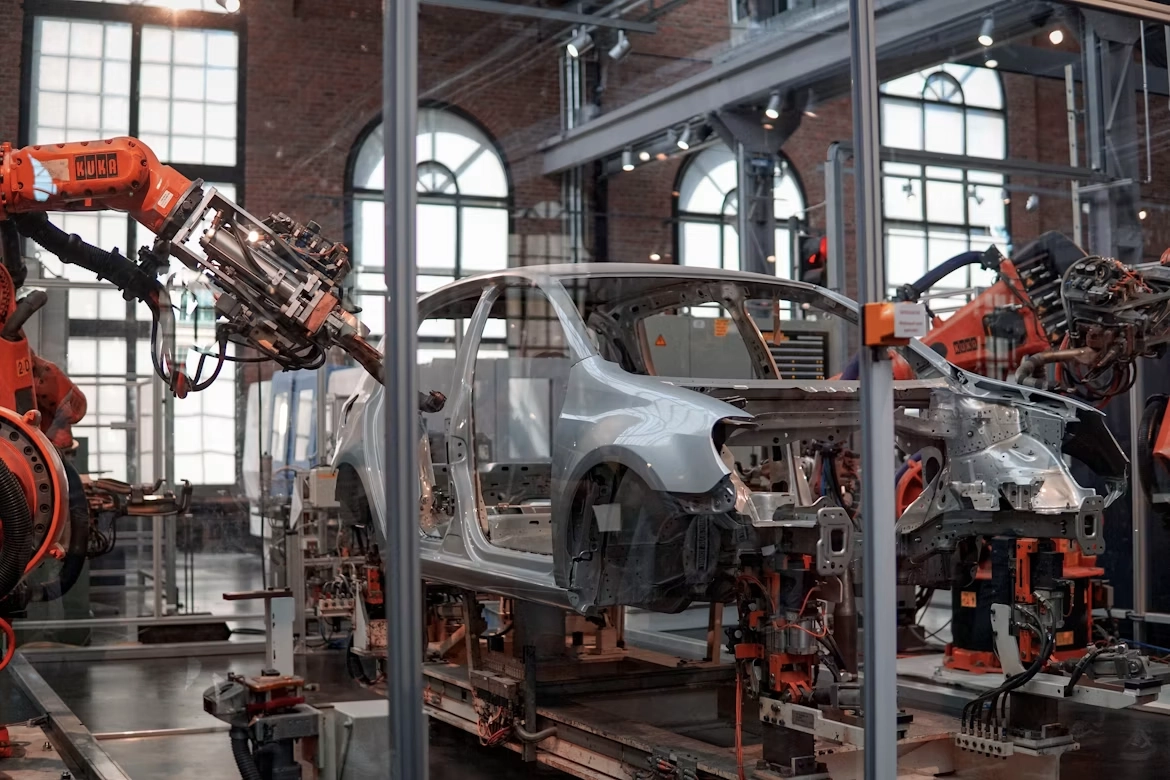
Mechanical industry
Water and wastewater treatment for machining, washing and finishing of parts.
Solutions to separate oils and solids and treat streams with different characteristics. Technologies selected according to process fluids, the metals present and the requirements of the operation.
Water and wastewater treatment in the mechanical industry
Water is used to wash parts, in cooling systems and, depending on the operation, in machining fluids and surface treatments. Not all plants carry out the same finishing stages.
Wastewater may contain free or emulsified oils, detergents, metal particles and pH variations. Surface operations can also generate streams with dissolved metals and specific chemicals.
Mechanical industry wastewater treatment must distinguish concentrated baths, rinse water and cleaning streams, considering the form of the contaminants and their compatibility with the system.
Mechanical industry.

Main challenges in this segment
Treatment of oily and metal-bearing effluents from machining and parts finishing processes.
Free oils and emulsions
Cutting fluid emulsions may require specific conditioning; removing them is not just a matter of separating floating oil.
Particles and dissolved metals
Metallic solids and metals in solution need different removal strategies.
Different baths and rinses
Mixing concentrated streams with washing water can make treatment harder and increase the volume to be processed.
Washing and finishing requirements
The quality of the water used can affect deposits, stains and the surface quality of the parts.
Identify the contaminant's form to define its removal
The configuration depends on the metals worked, cutting fluids, degreasers and finishing operations. Analyses should identify free oil, emulsions, solids and dissolved metals.
The strategy may include segregation, equalization, pH adjustment and physicochemical treatment. Depending on test results, emulsion breaking and metal precipitation come before separation by flotation or settling.
DAF separates contaminants associated with the separable phase but does not replace the treatment of dissolved metals. The sludge line must consider its characteristics and appropriate disposal; biological processes only make sense for compatible streams.
Integrated water, wastewater and reuse
Treatment of washing water and utilities should be linked to the specifications of the parts and equipment served.
Reuse in the mechanical industry can be studied after characterizing residual oils, metals and salts. Filtration and ultrafiltration meet specific separation goals, while reverse osmosis may be assessed when salts need to be reduced, with pretreatment and concentrate management.
Technologies for the mechanical industry
Linsul's portfolio makes it possible to select stages for separation, physicochemical treatment, sludge handling and industrial water. The application depends on the fluids used, the metals present and the necessary tests.
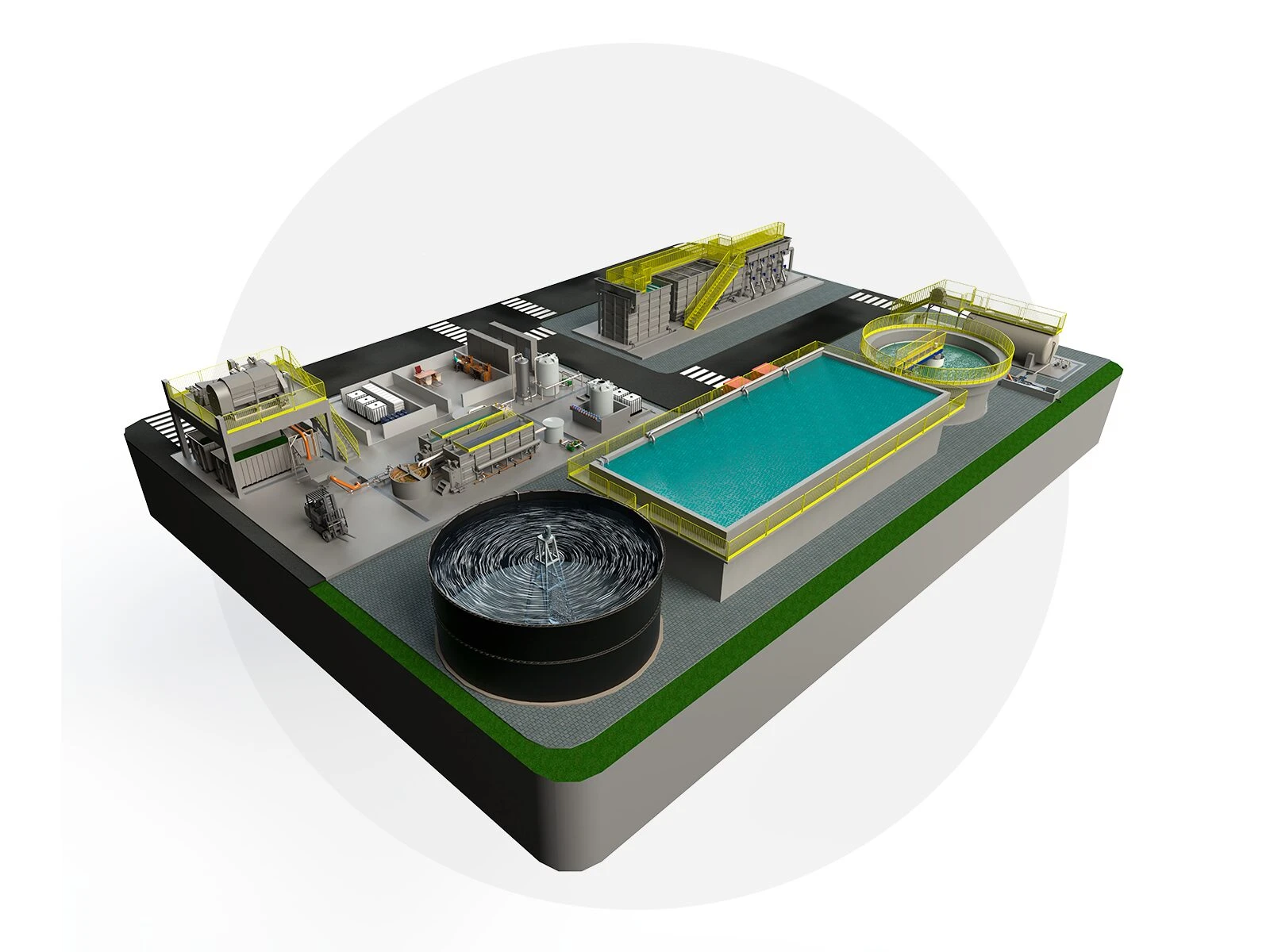
Wastewater Treatment Plant (WWTP)
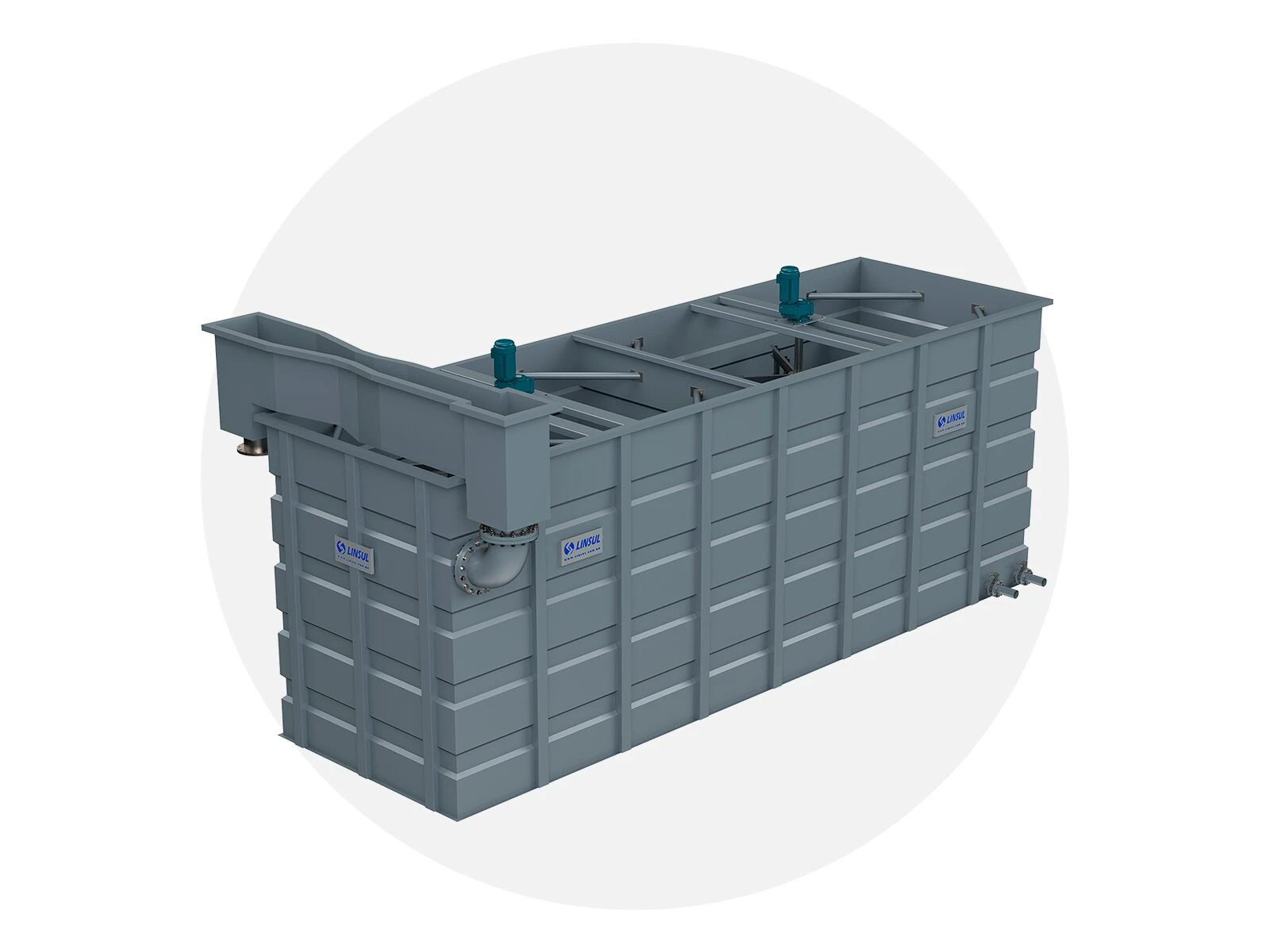
Mechanical Flocculator
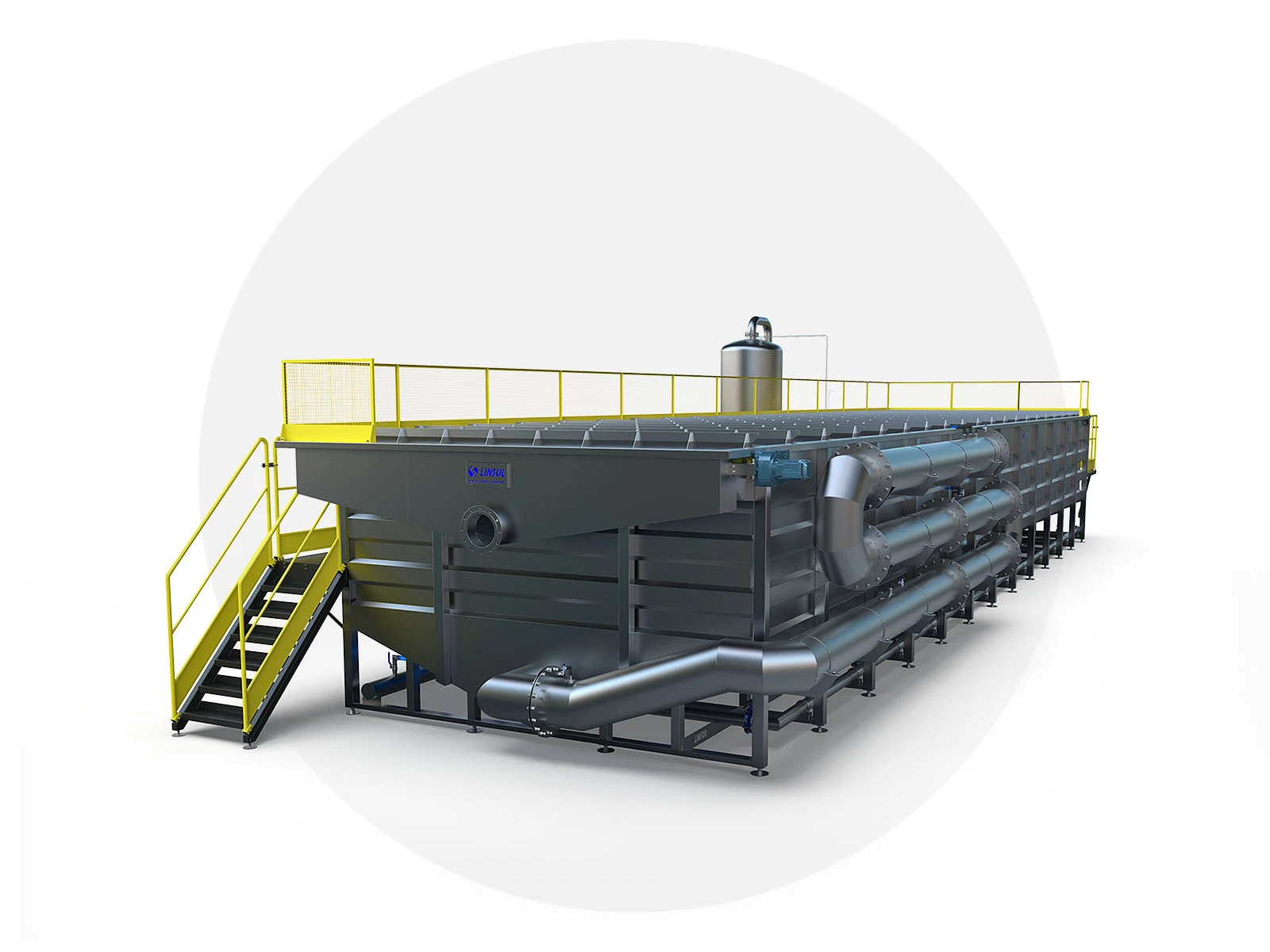
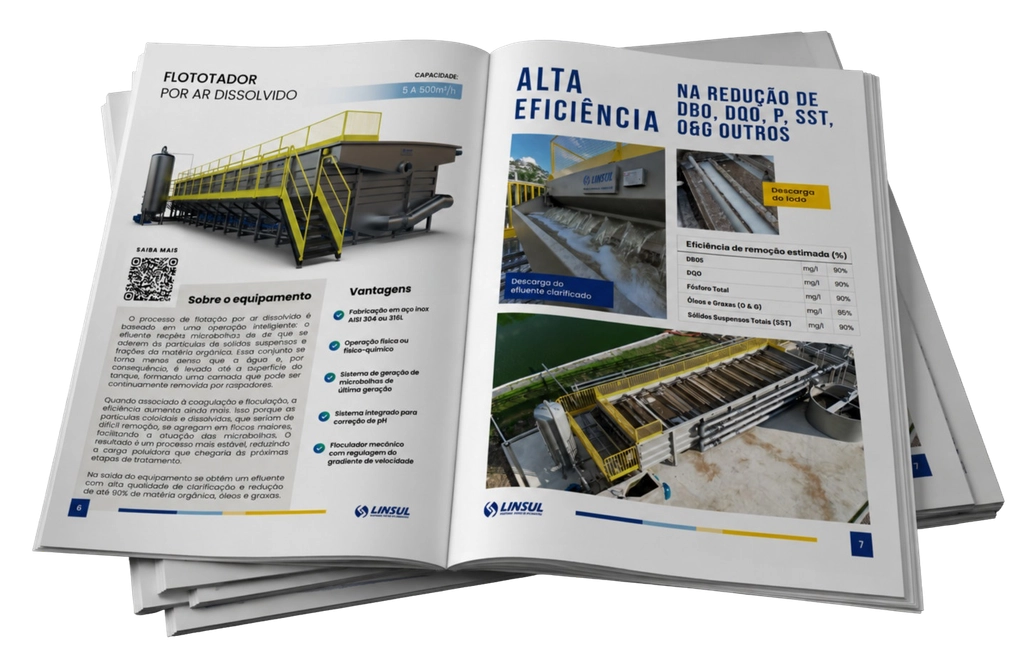
Dissolved Air Flotator
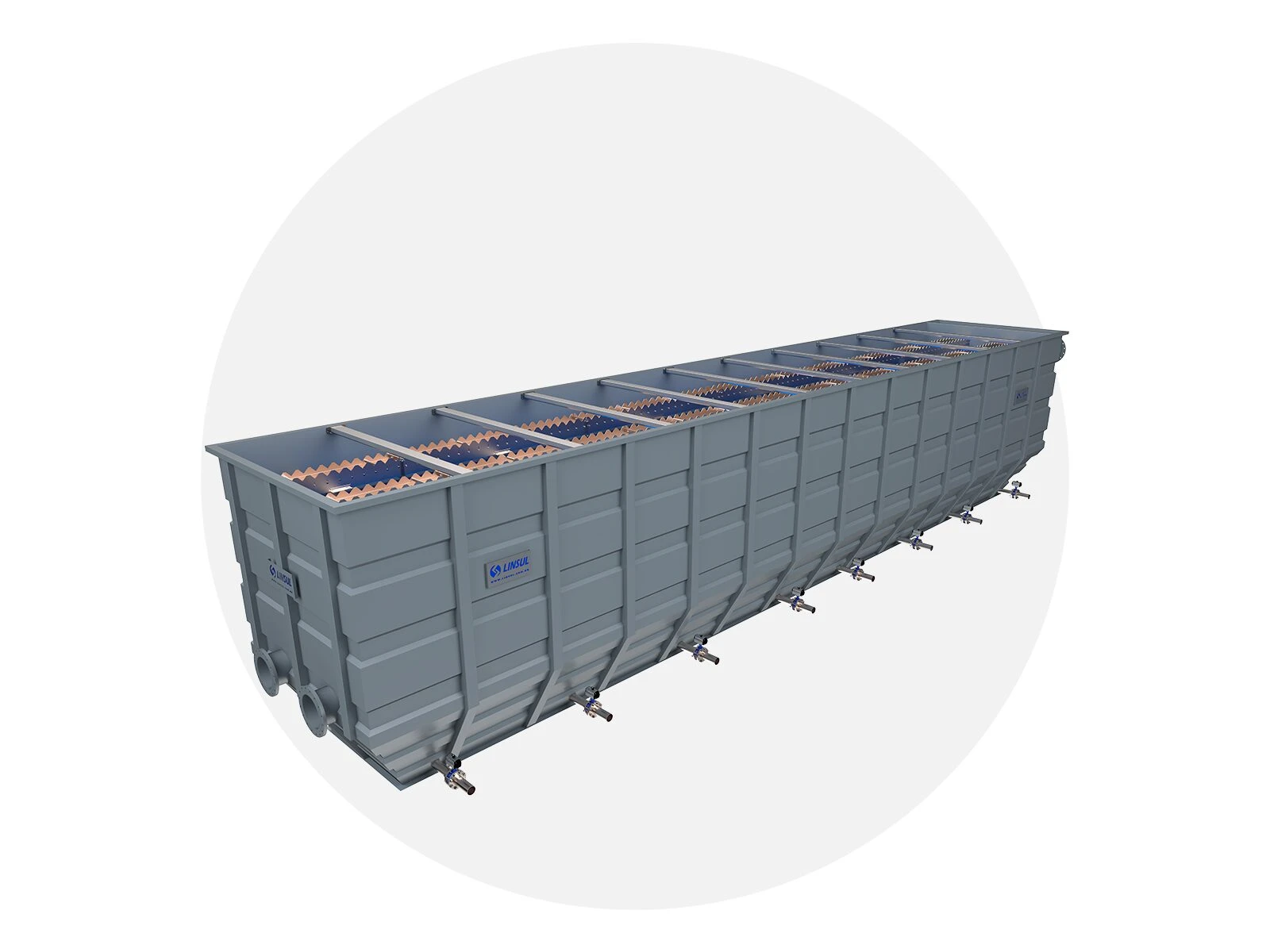
Lamella Clarifier
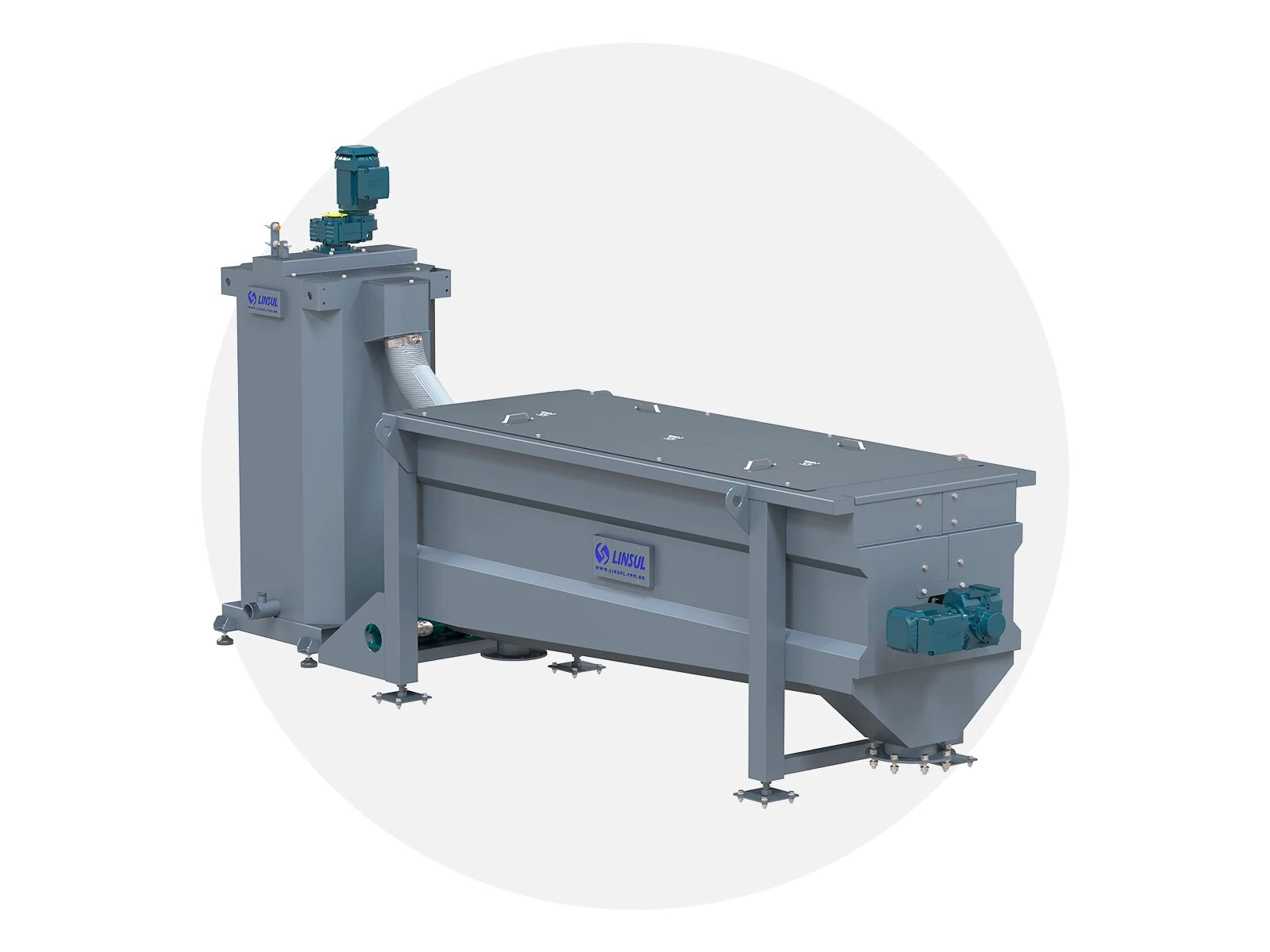
Sludge Thickener
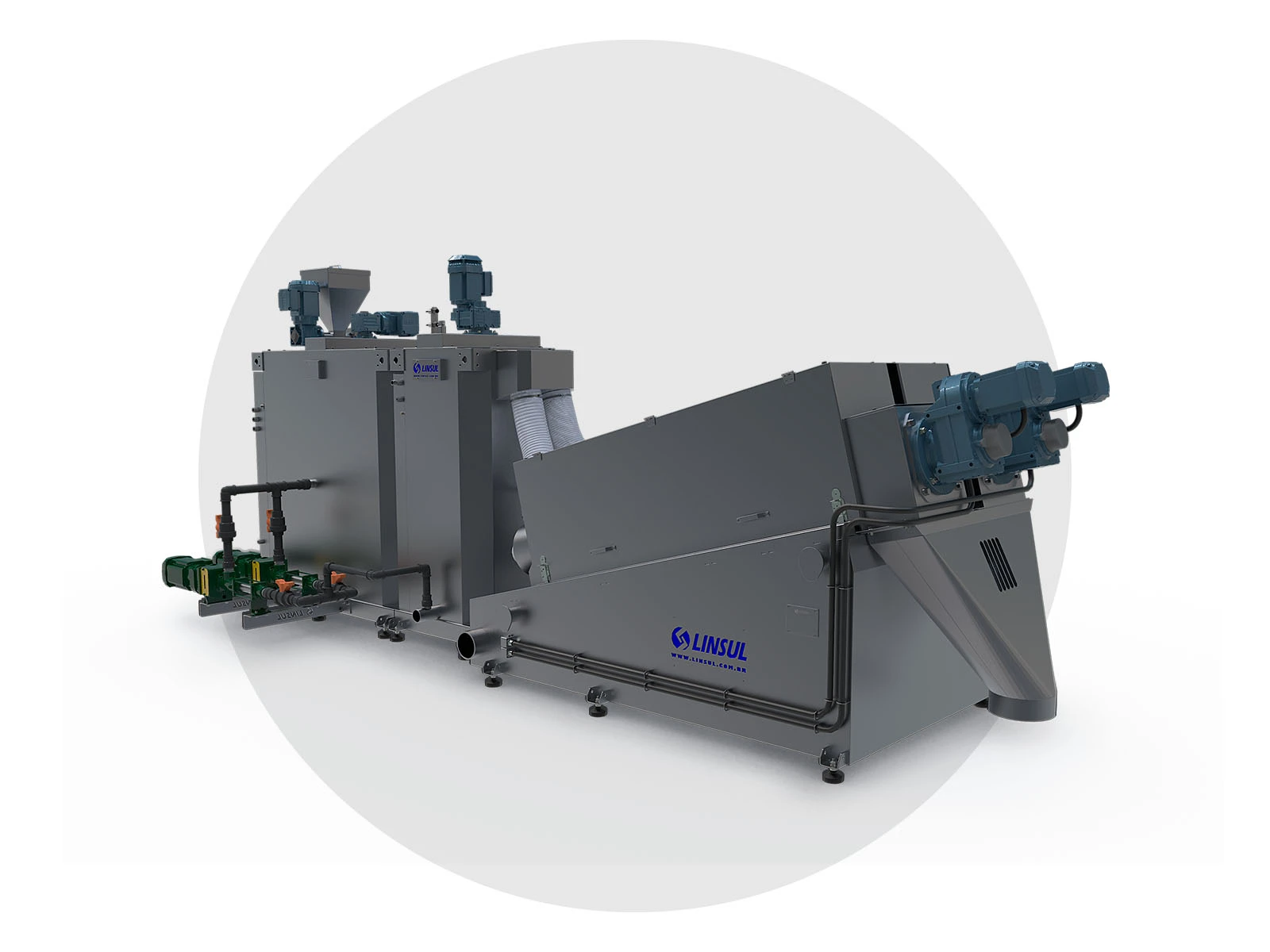
Sludge Dewatering Press
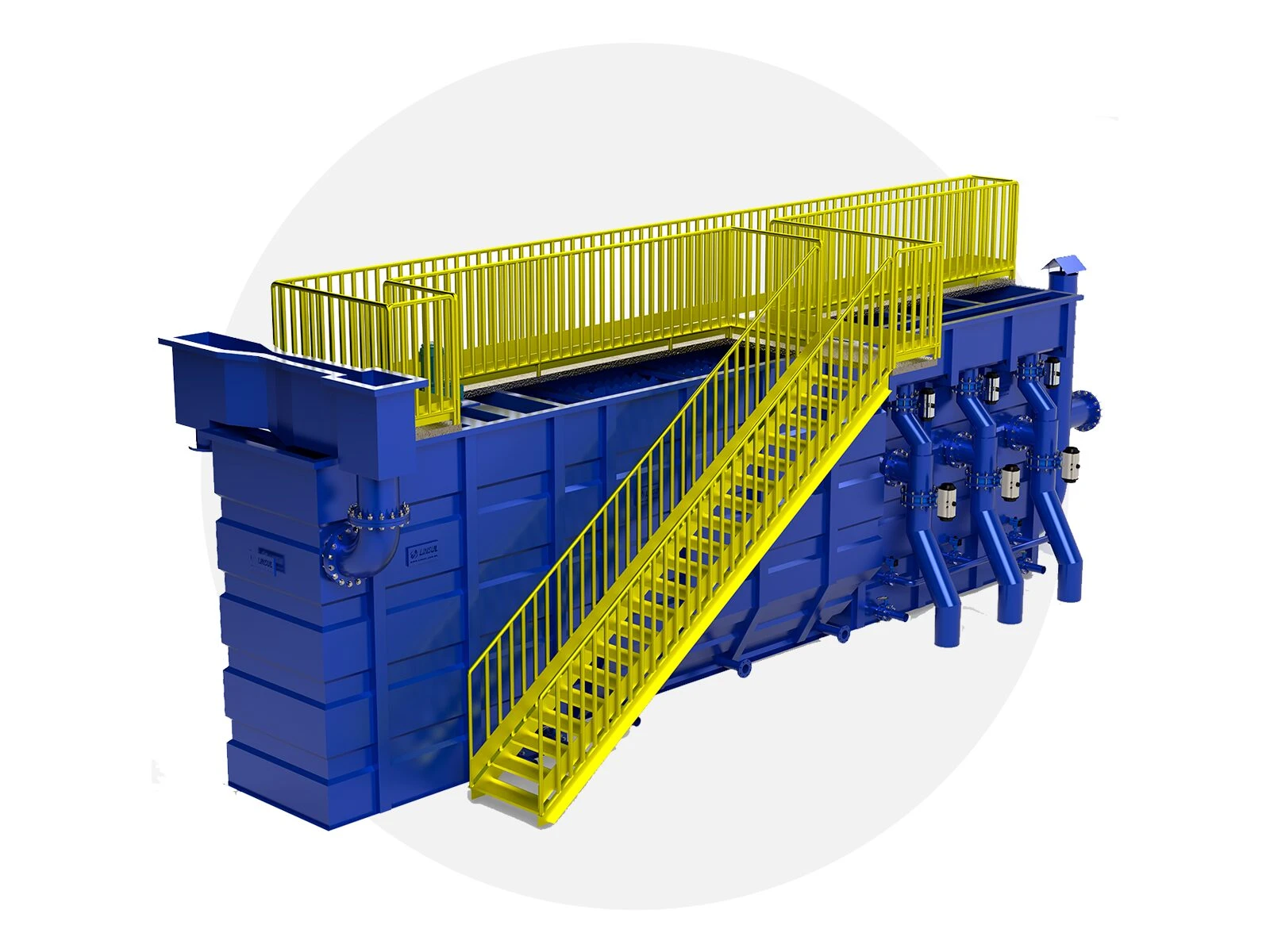
Water Treatment Plant (WTP)
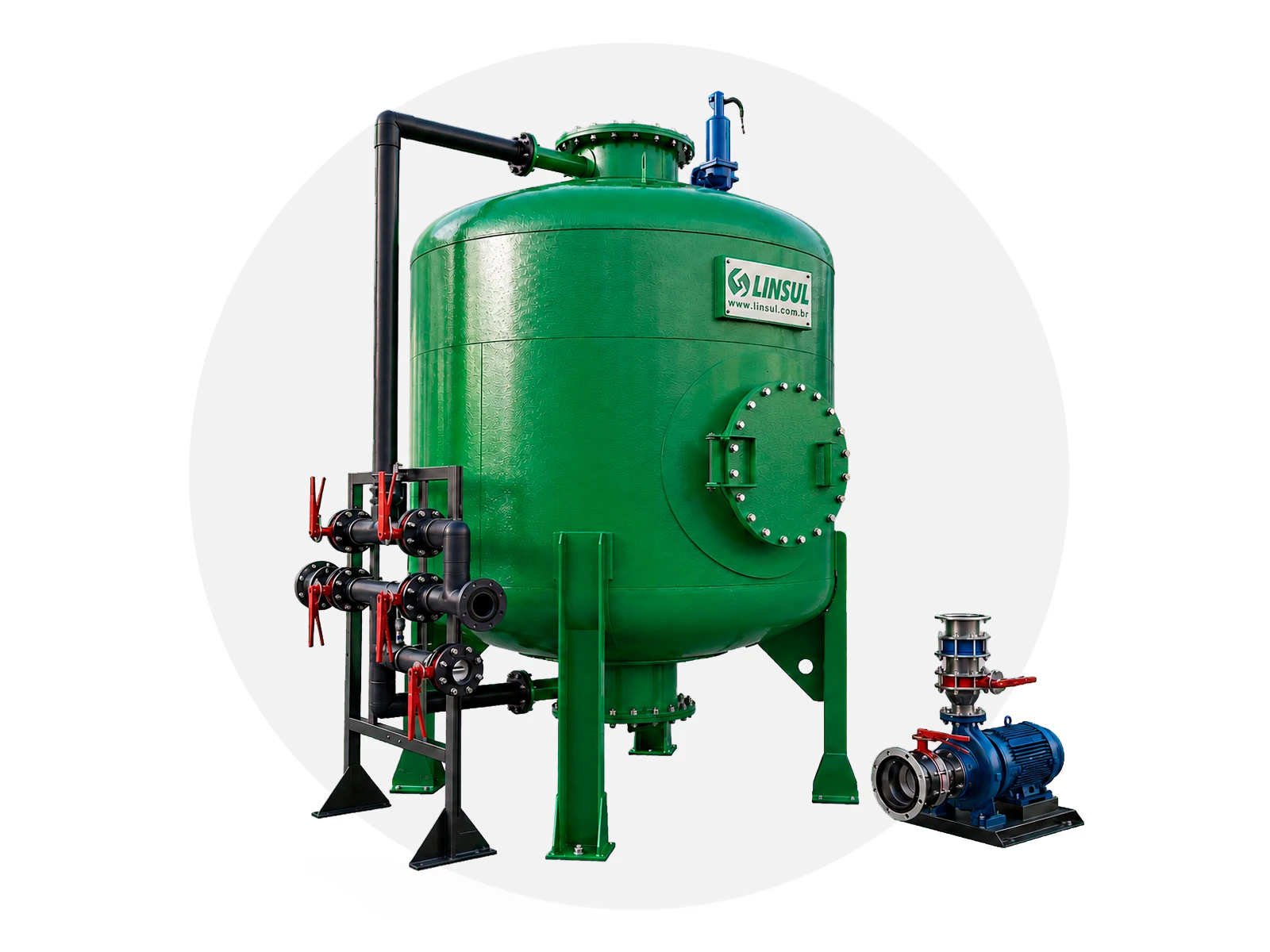
Pressure Filter
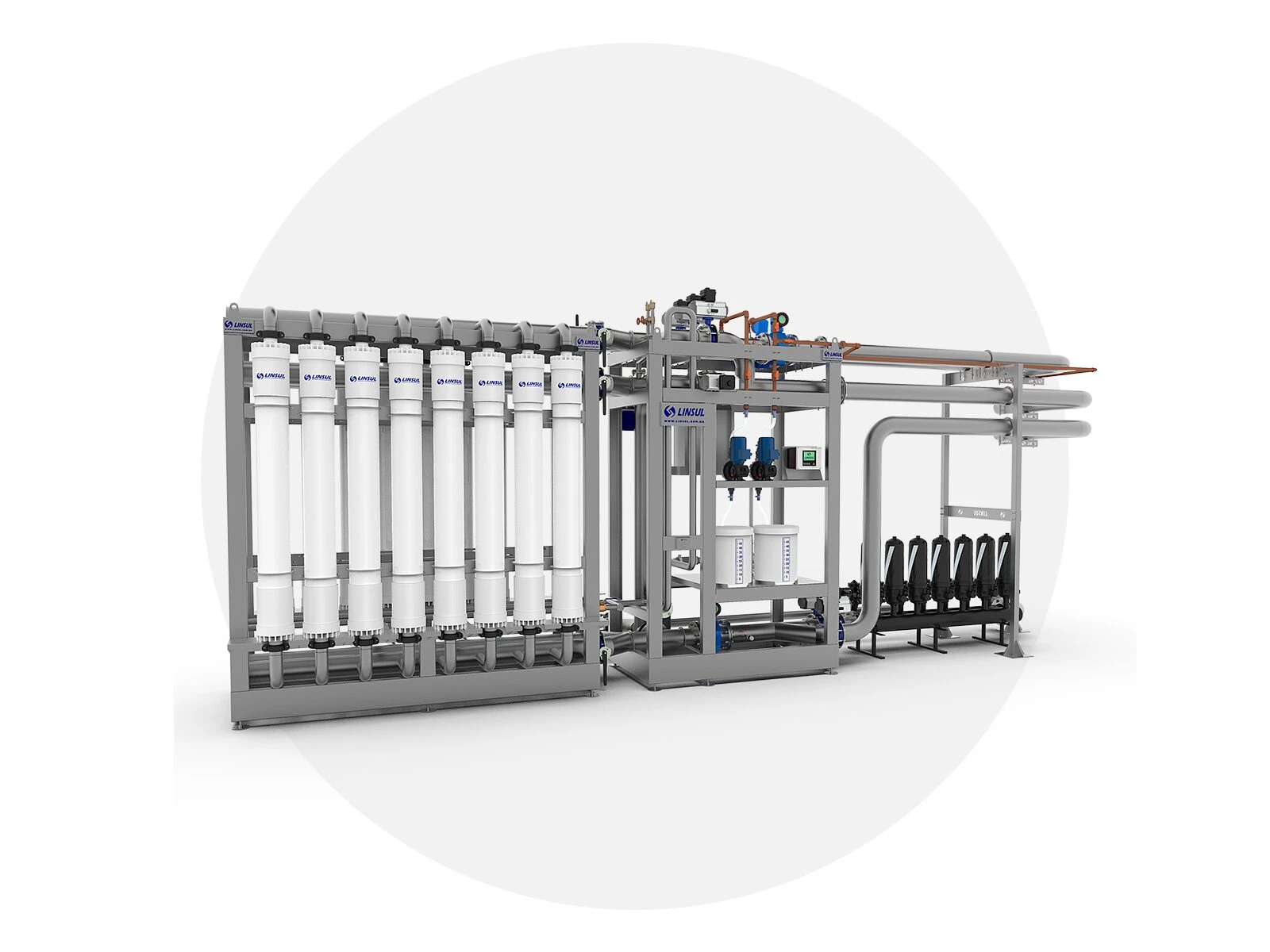
Ultrafiltration System
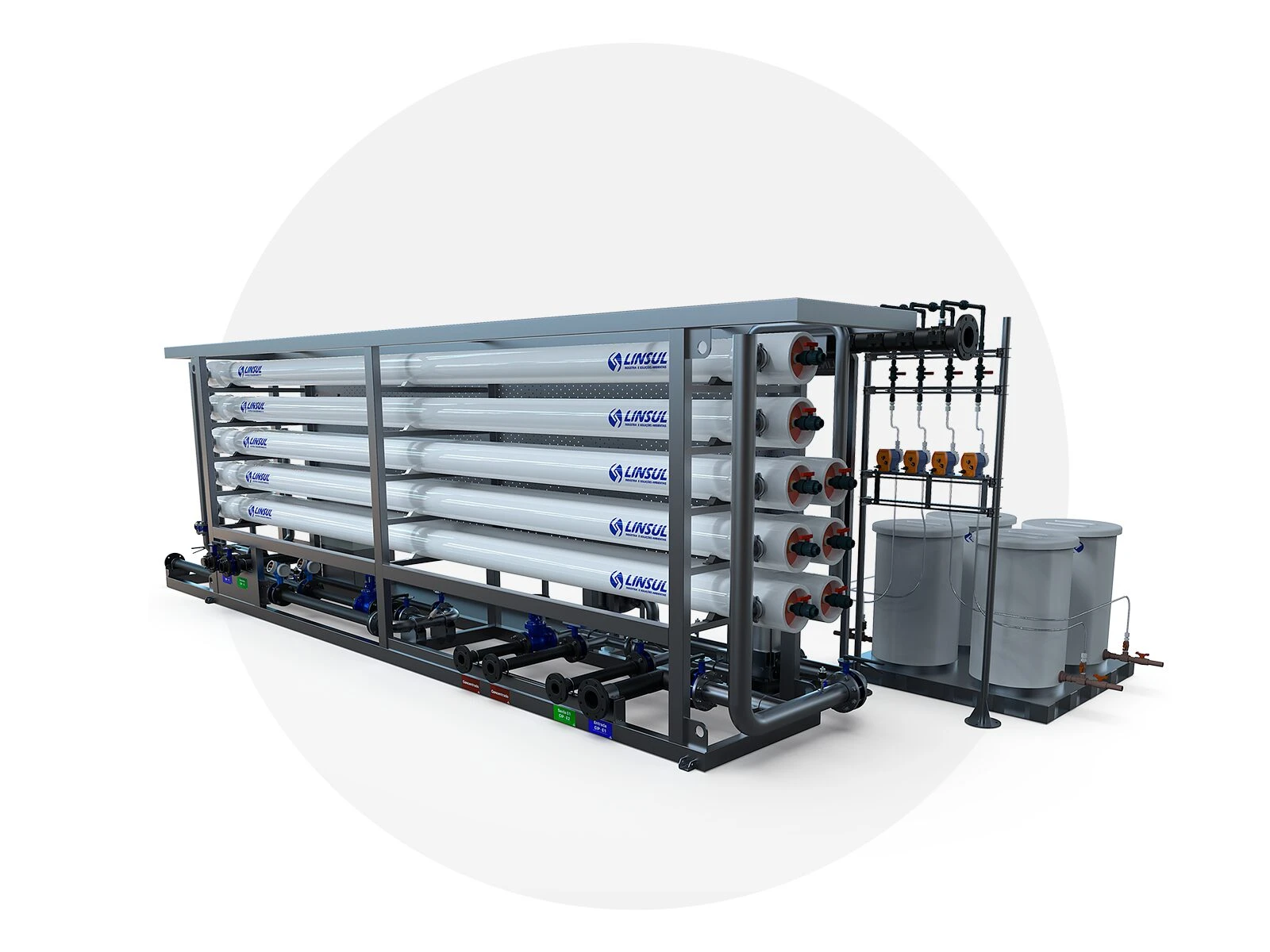
Reverse Osmosis
More efficiency for
your operation.
A treatment line guided by the plant's fluids and finishes helps control oily streams, metals and the quality of the water used.
Explore our other segments:
The experience gained across different industries allows us to understand the specific challenges of each segment and develop solutions adapted to the needs of each operation.
Food Sector
One of the pillars of the global economy, responsible for the production, processing and distribution of food.
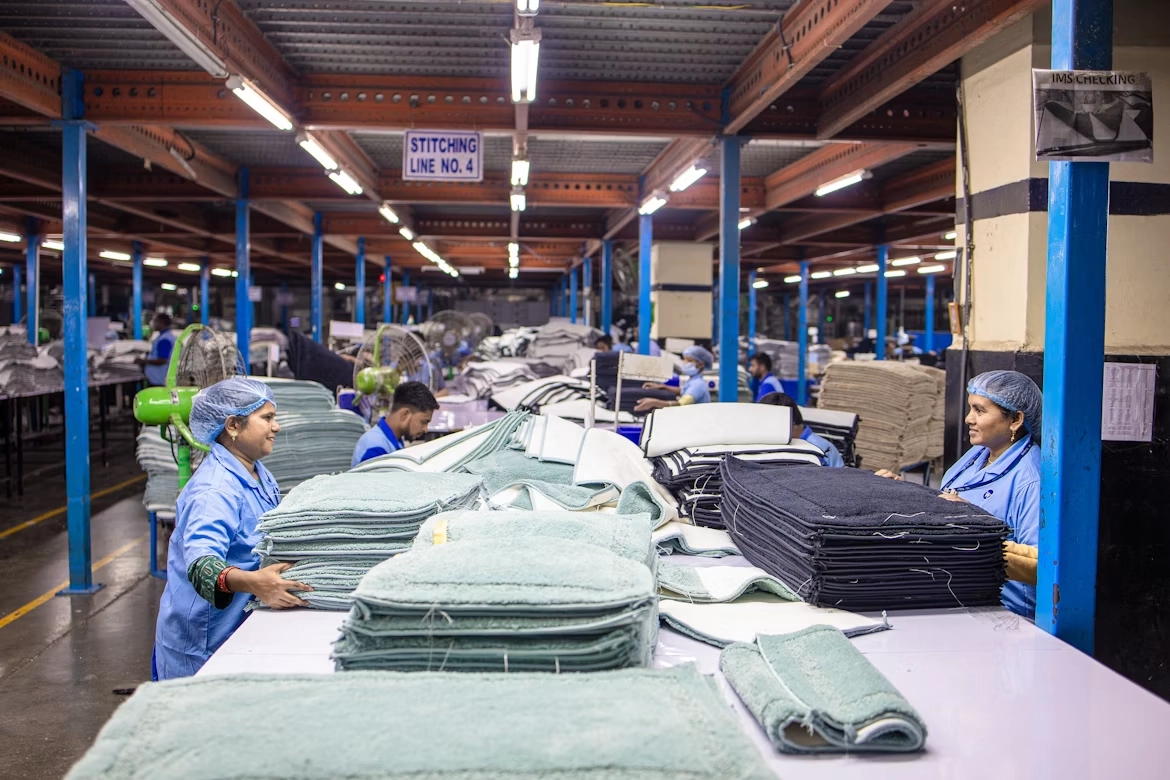
Textile Sector
Covering fiber production, garment manufacturing and the distribution of textile products.
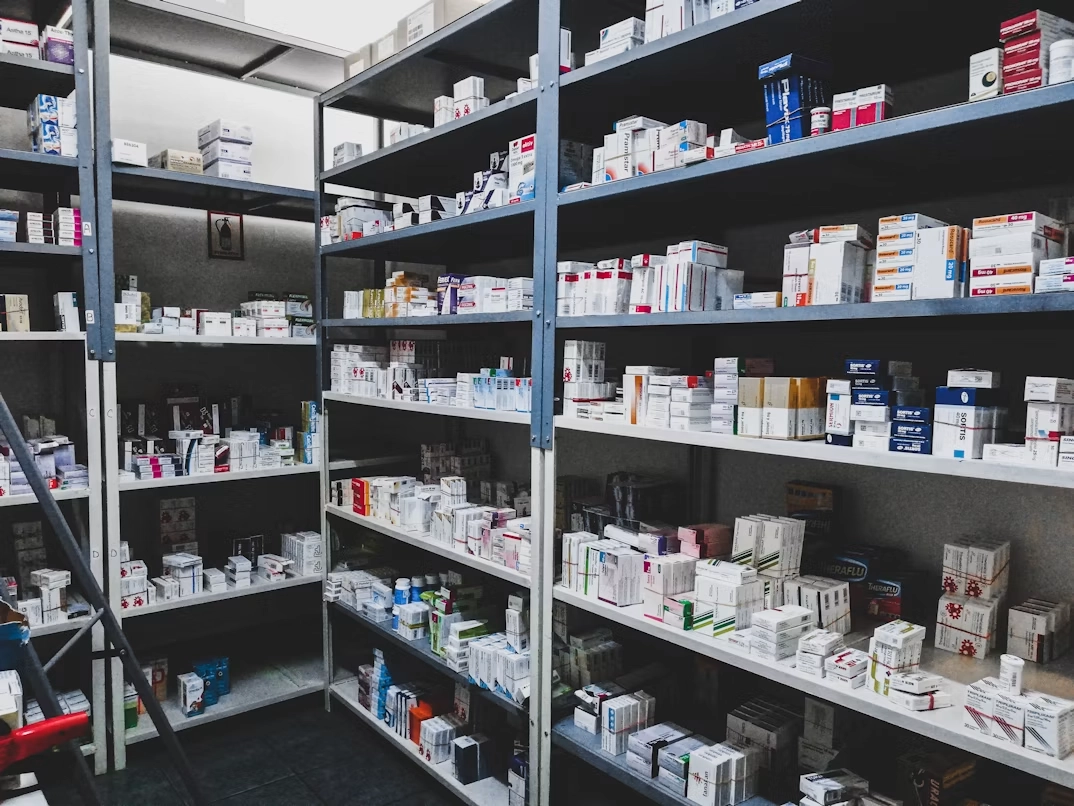
Pharmaceutical Sector
Essential to global health, focused on the research, development and production of innovative medicines.
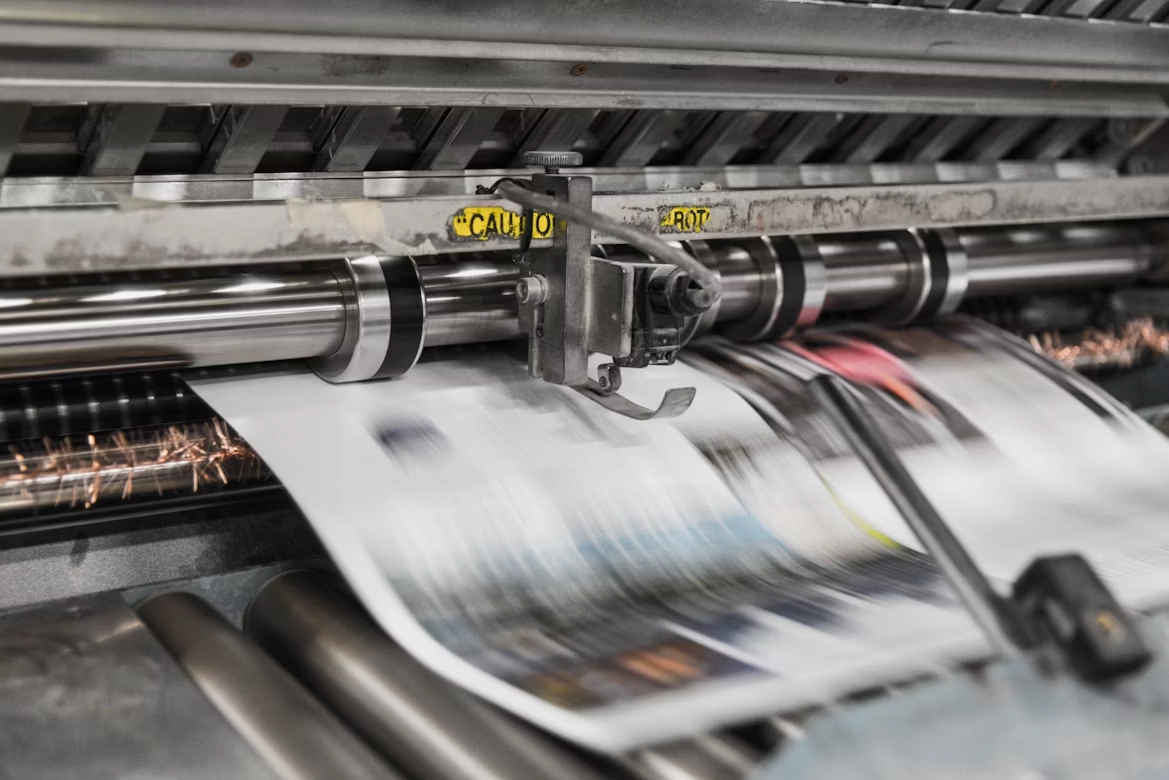
Pulp and Paper
Solutions to optimize industrial processes, reduce water consumption and increase efficiency in wastewater treatment.
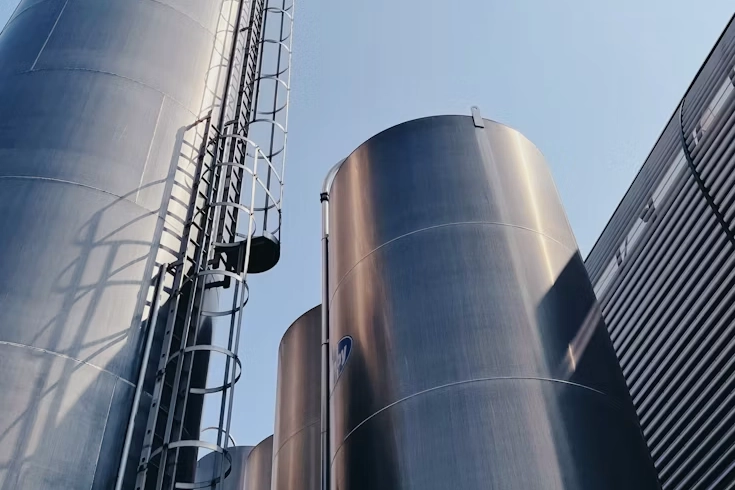
Bioenergy
Equipment and systems designed for power plants and energy generation processes, promoting greater operational efficiency.
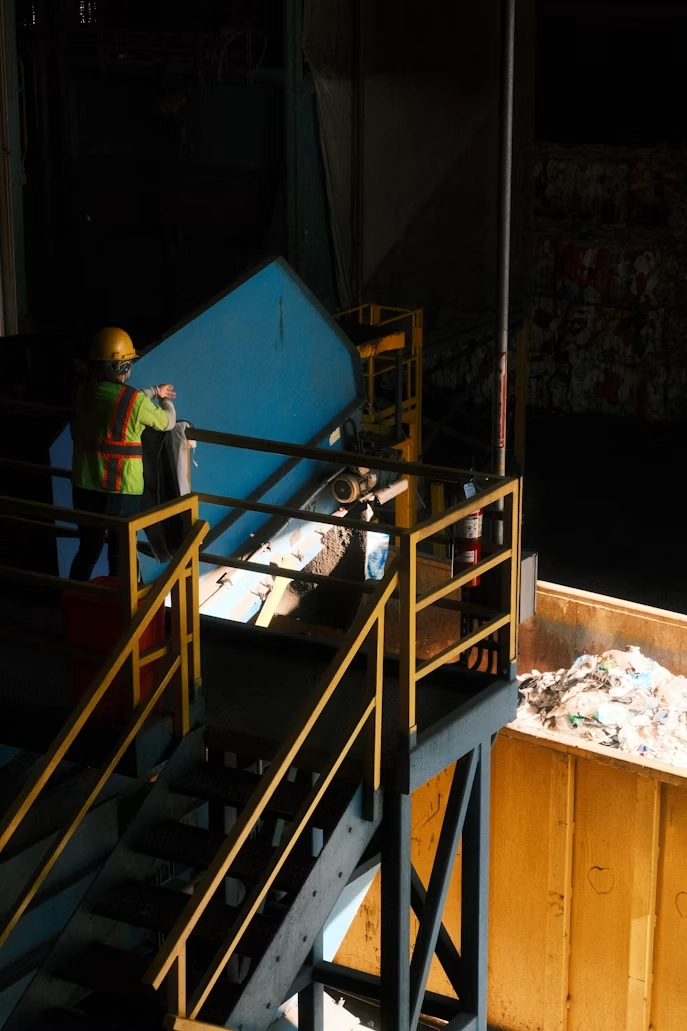
Animal Rendering
Technologies for treating effluents with high organic load, contributing to safer and more sustainable operations.
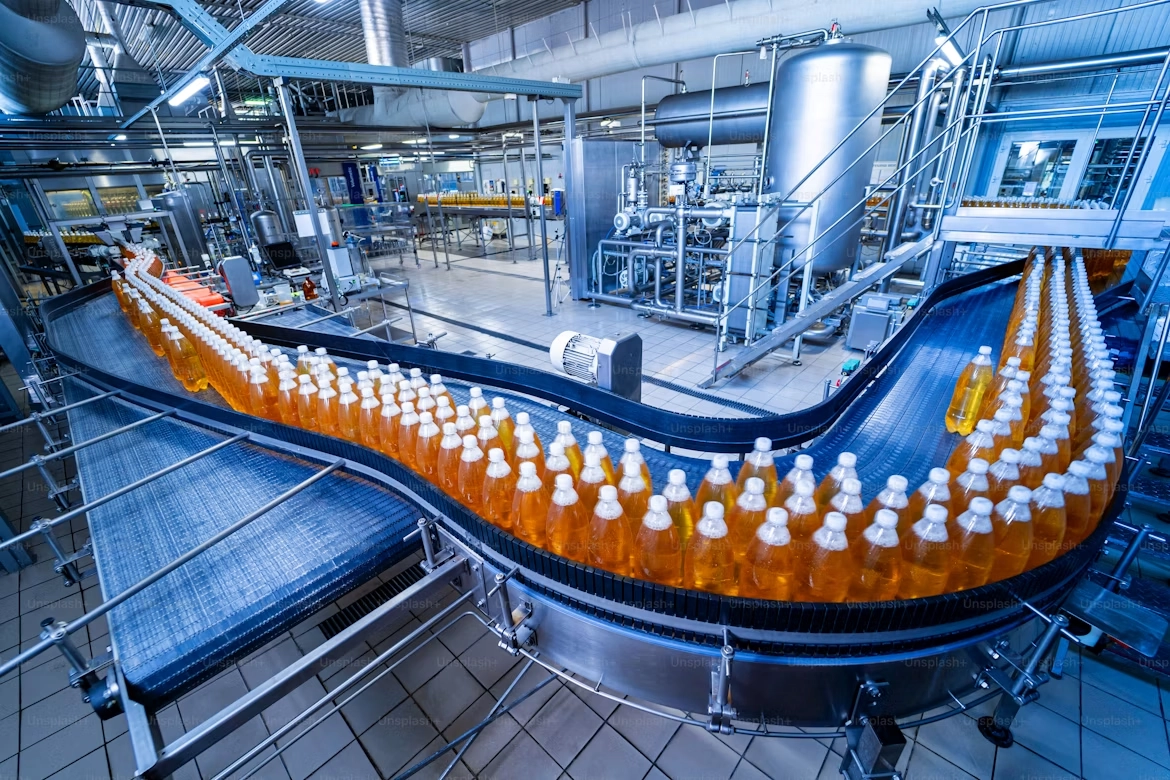
Beverage Industry
Solutions for treating effluents rich in sugars and organic matter, ensuring compliance and production efficiency.

Cosmetics
Systems to treat effluents containing surfactants and oils, typical of cosmetics and personal care production.
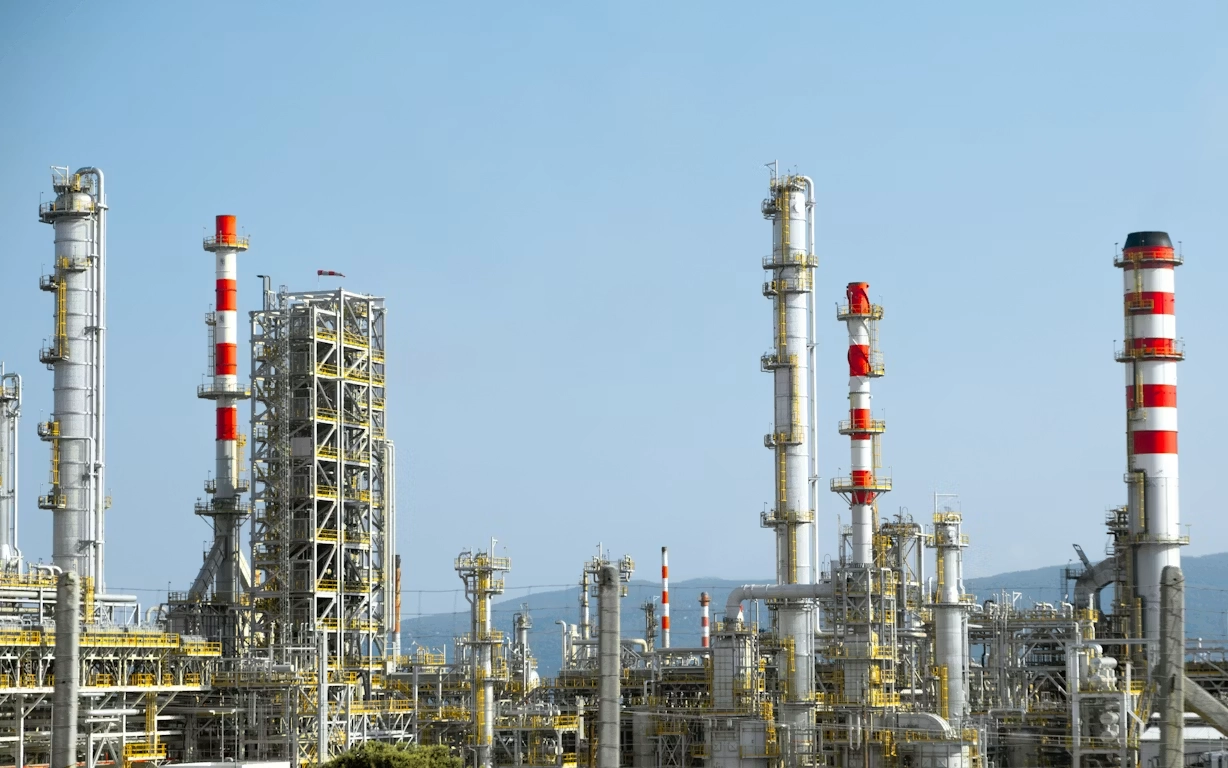
Petrochemical industry
Robust solutions for complex effluents with hydrocarbons and high chemical oxygen demand.
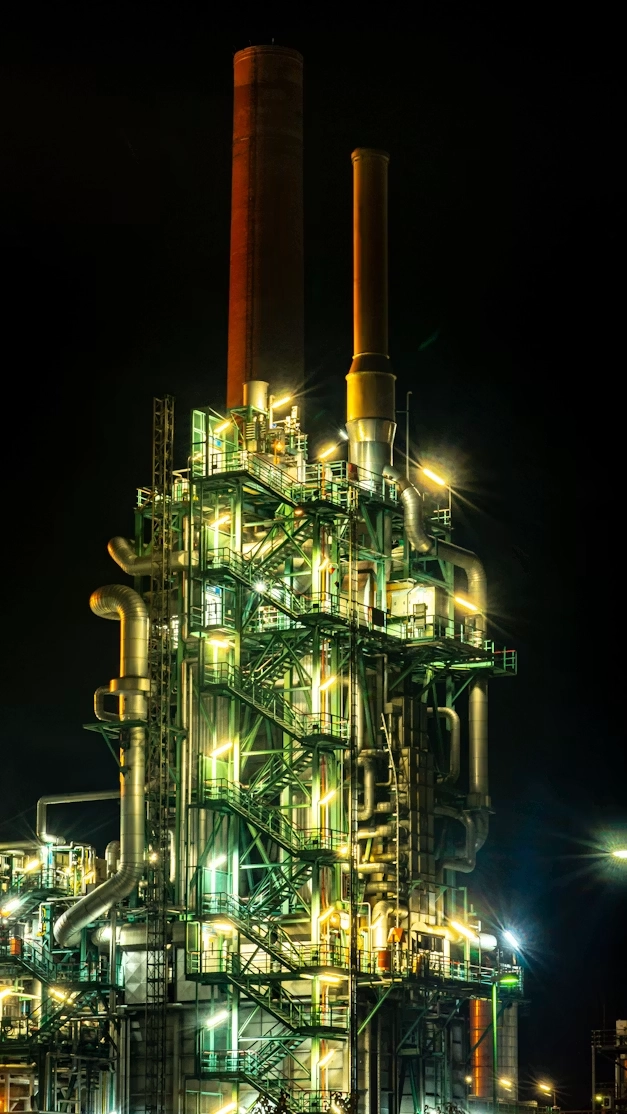
Chemical industry
Specialized treatment for effluents of variable composition, ensuring operational and environmental safety.
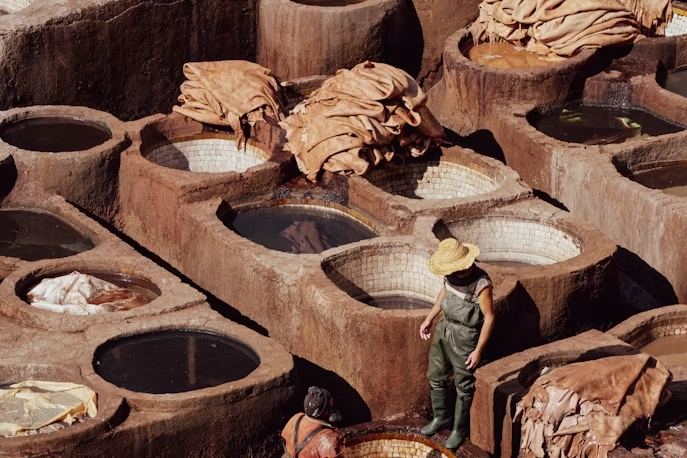
Tannery
Systems for effluents with high organic load and chromium, reducing the environmental impact of the tanning process.
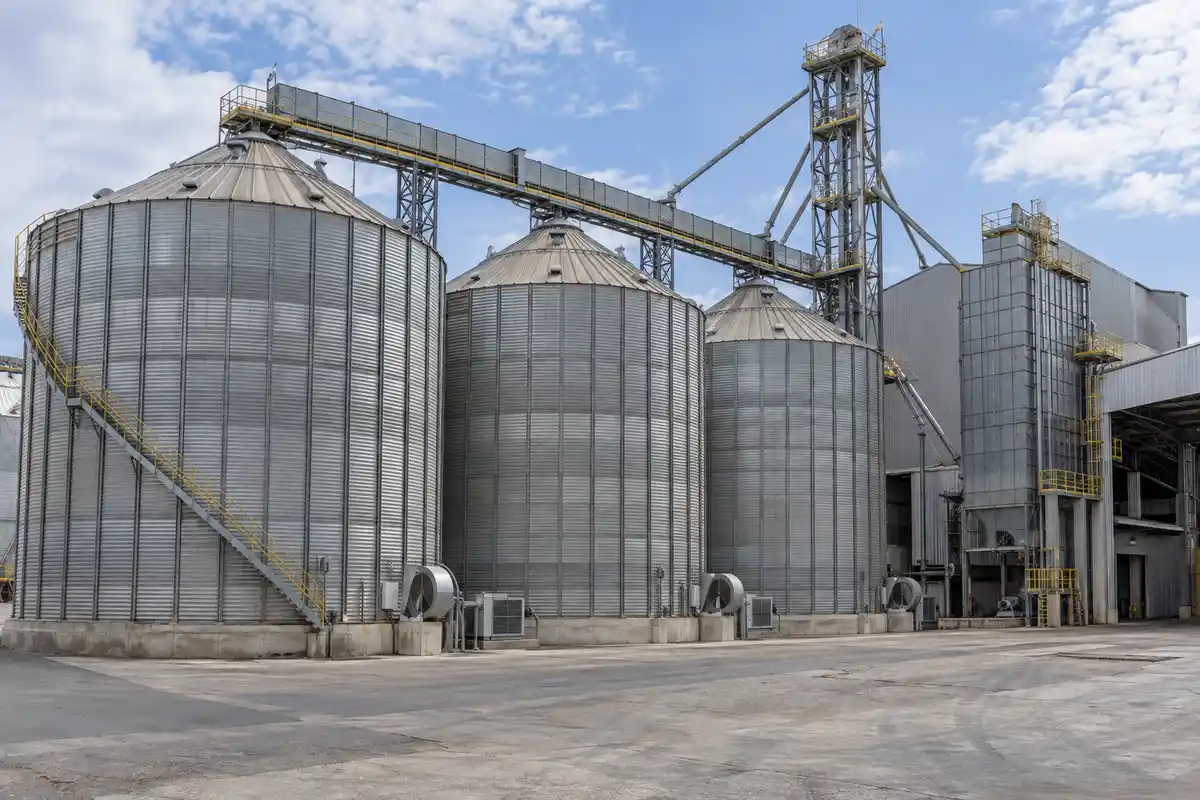
Agribusiness
Solutions for effluent from the processing of grains, fruit, milk and other farm products, with high organic load and suspended solids.
Related
Applications.
Treatment of oily and metal-bearing effluents from machining and parts finishing processes.
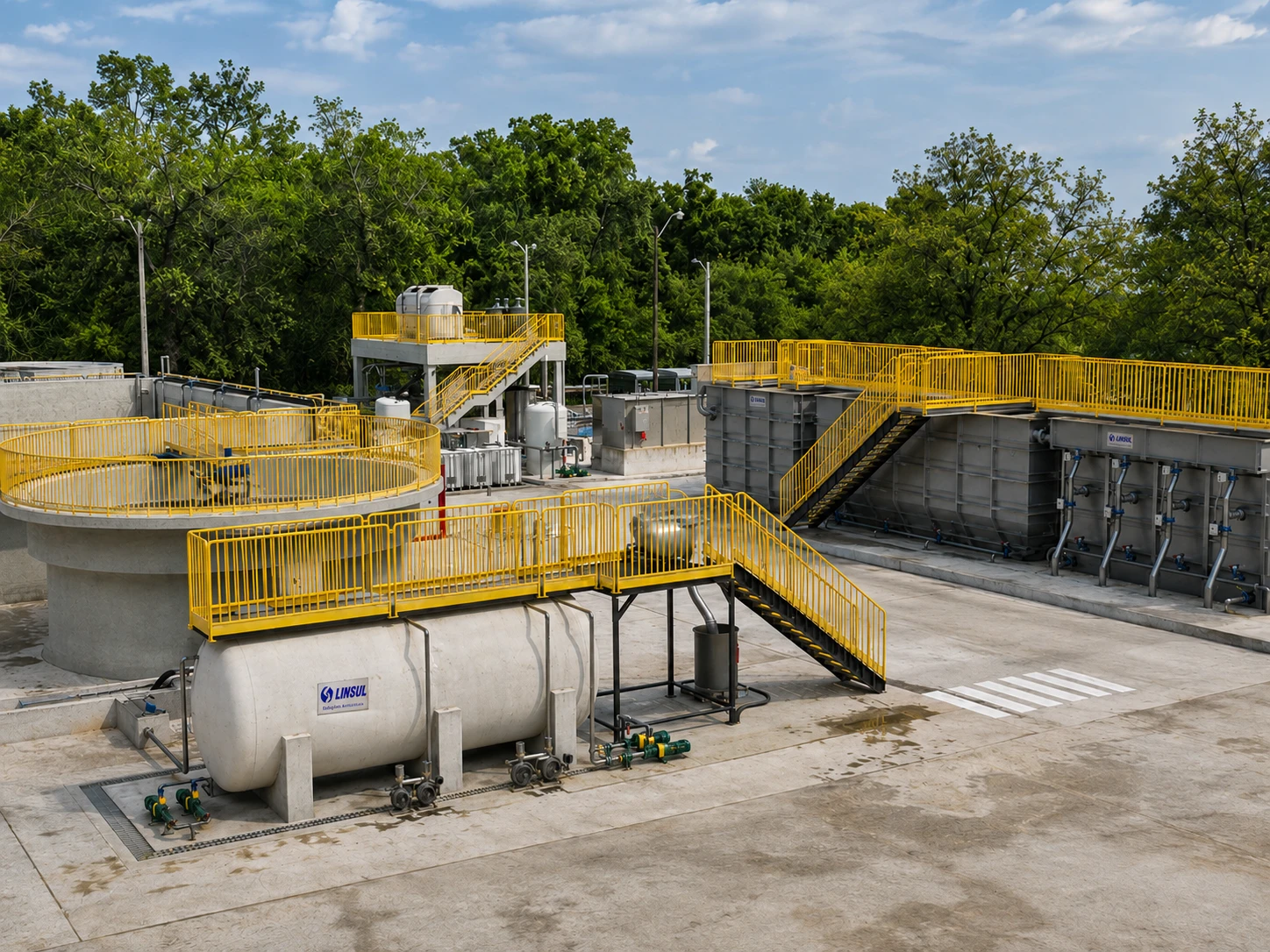
Your WWTP's energy bill may be here
Electricity consumption is one of the permanent costs of operating a Wastewater Treatment Plant. Pumps, blowers, mixers, aeration systems and other equipment can run…

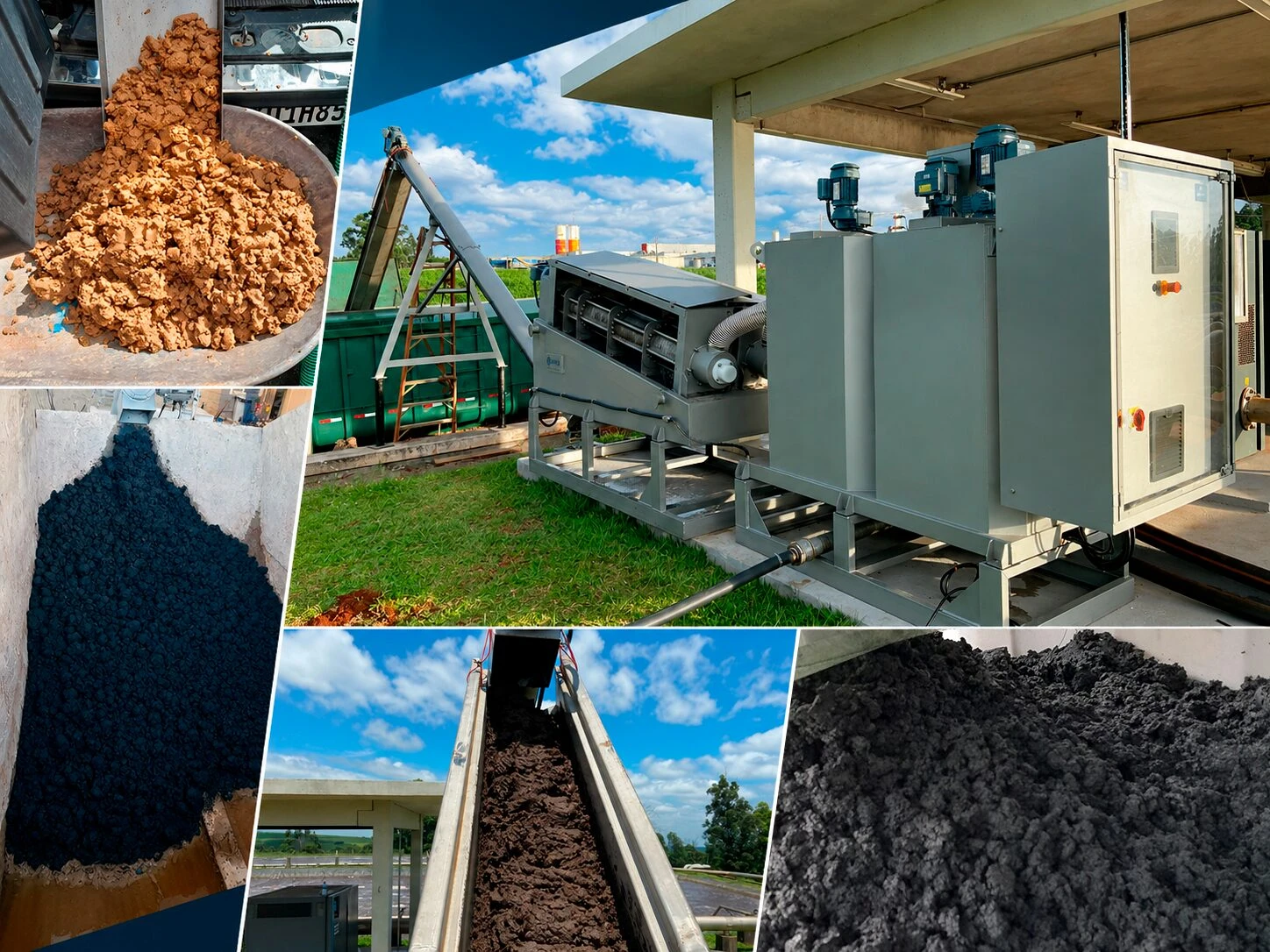
Accumulated sludge is accumulated cost
Sludge generation is a natural consequence of different water and wastewater treatment processes. However, when this material remains highly concentrated in water or builds up at the pl…
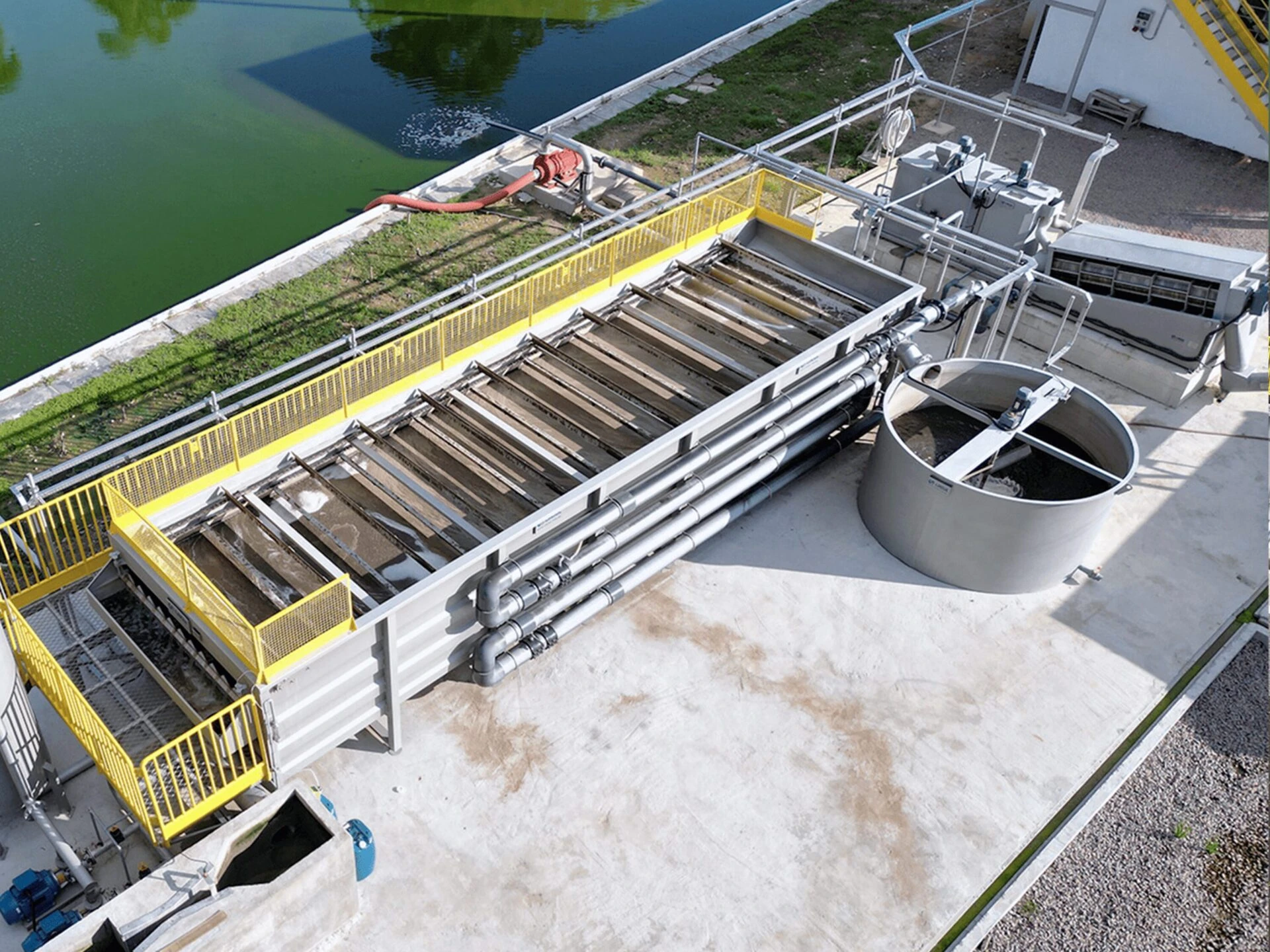
Is your WWTP operating below its potential?
In industrial operations, it is common for wastewater treatment plants (WWTP) to run below their real potential, often without this being clearly noticed.
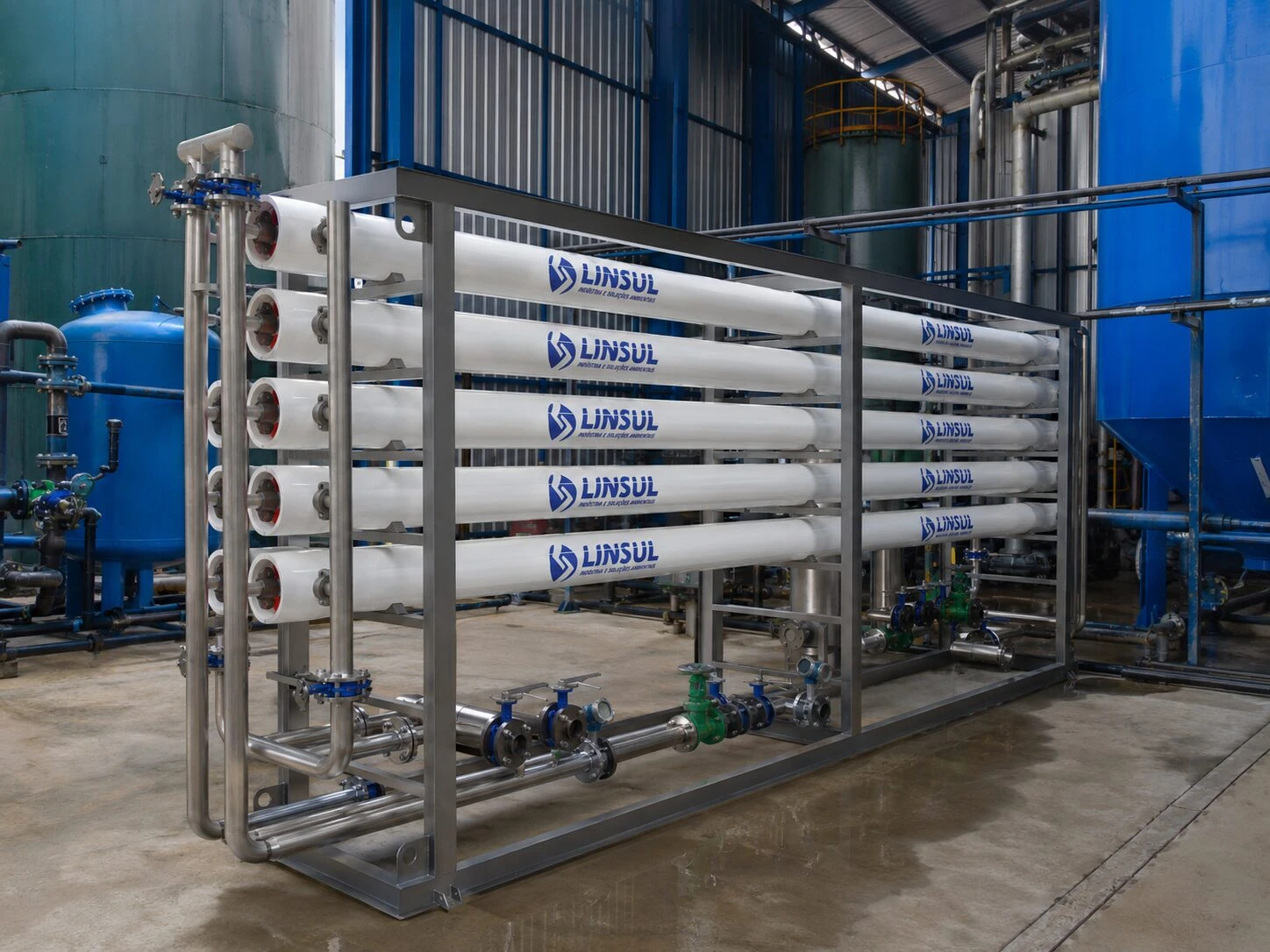
Industrial Reverse Osmosis in Water Treatment
Reverse osmosis is an advanced water treatment technology used to remove dissolved salts, minerals, organic matter, microorganisms and other contaminants from water. Using…
Linsul Partners

























Download
our catalog
Discover the full range of innovative wastewater
treatment solutions Linsul offers!